
At the Coachella Valley Music and Arts Festival, the post-event phase in 2026 has become just as visible as the festival itself. Once the music stops, a new kind of content takes over feeds: recovery routines. What people do to “reset” is now shared, replicated, and circulated almost as quickly as the performances that caused the fatigue in the first place.
The most immediate shift is physical recovery. Hydration routines dominate early posts—electrolytes, increased water intake, and simple replenishment habits designed to stabilize the body after days of heat, movement, and inconsistent rest. These aren’t presented as wellness trends in the abstract; they are direct responses to a shared experience of depletion.
Sleep becomes the second focal point. After multi-day overstimulation, people document extended rest periods, early nights, and “doing nothing” days as part of their reset. What stands out is how openly this downtime is shared. Rest is no longer hidden—it is posted as proof of recovery and balance after intensity.
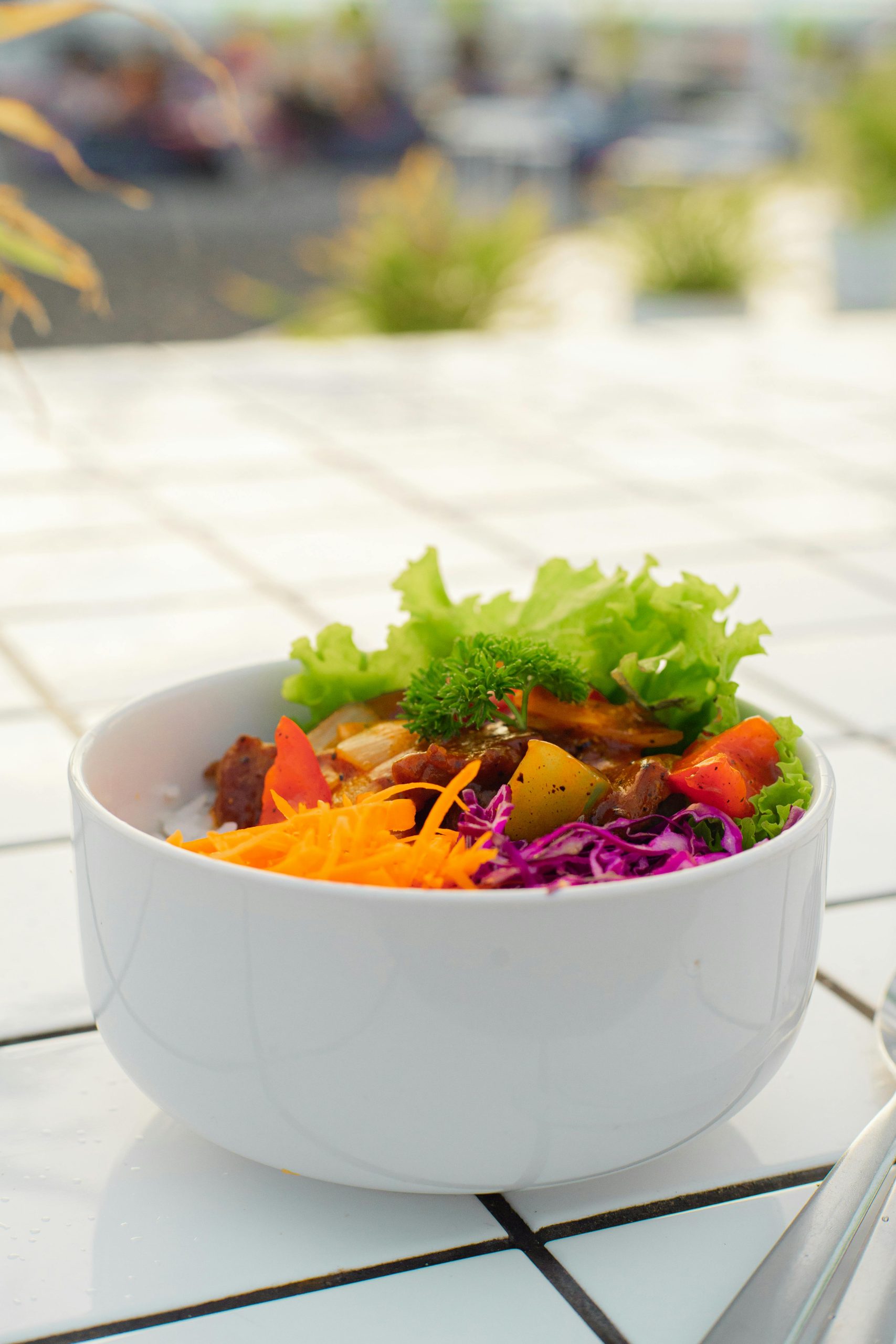
Food habits also shift noticeably. The high-energy, low-effort festival meals give way to grounding, comfort-based eating. Simple home-cooked meals, familiar takeout, and nutrient-focused choices reappear as people transition back into routine. The emphasis moves from convenience during the event to restoration afterward.
What makes these routines go viral is timing. They appear immediately after the event, when collective fatigue is highest and audiences are actively seeking relatability. Seeing others recover validates the shared experience of exhaustion and normalizes the need to slow down.
There is also an aesthetic layer. Recovery content is often calm, minimal, and visually quiet compared to the saturated imagery of the festival itself. Soft lighting, still environments, and slow pacing create a strong contrast that makes these posts stand out in feeds filled with high-intensity content.
At Coachella specifically, this cycle is amplified by scale. Thousands of attendees return home simultaneously, all entering similar recovery phases at the same time. That synchronization creates a wave of content that feels collective rather than individual, reinforcing the idea that recovery is part of the event itself.
Social platforms accelerate this visibility. As soon as recovery posts begin to circulate, they are replicated in different formats—routines, checklists, “what I did after,” and “reset day” formats—turning personal recovery into a shared template.
Ultimately, “How People Are Resetting This Week” reflects a broader shift in how high-intensity cultural experiences are processed. In 2026, the story doesn’t end at the festival—it continues in the recovery phase, where rest, hydration, and simplicity become just as visible, and just as shareable, as the moments that came before them.
Leave a Reply