
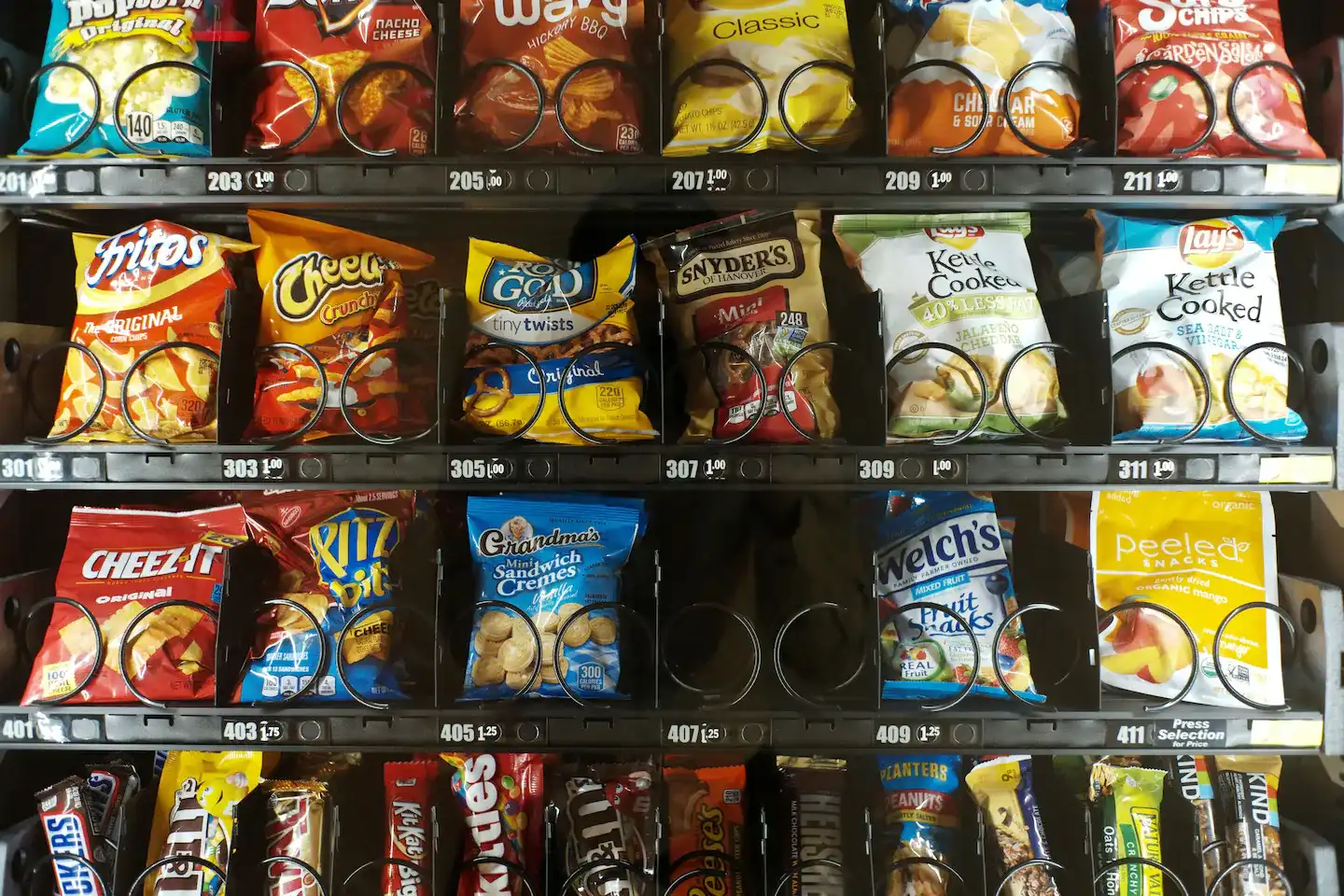
Obesity in the United States is often discussed as a straightforward economic issue: unhealthy food is cheaper, fresh food is expensive, and therefore people naturally gravitate toward the most affordable calories. While there is truth to that argument, it is increasingly clear that the reality is more complex.
A recent study challenges the idea that price alone drives dietary choices, suggesting that taste preferences, habits, and behavioral psychology may play an even larger role than cost. In other words, even when healthier options are available and affordable, many people still choose ultra-processed, calorie-dense foods because they are more appealing, more convenient, and more deeply embedded in everyday routines.
Understanding obesity in America requires moving beyond simple explanations and looking at the broader system of food behavior, marketing, accessibility, and human psychology.
The Common Argument: Junk Food Is Cheaper
One of the most repeated explanations for rising obesity rates is the price gap between healthy and unhealthy food.
Fast food meals, packaged snacks, and processed foods are often:
- Cheaper per calorie
- More widely available
- Faster to prepare or consume
- Heavily marketed in low-income communities
Meanwhile, fresh produce, lean proteins, and whole foods are often perceived as:
- More expensive
- More time-consuming to prepare
- Less convenient for busy lifestyles
- Less shelf-stable
This economic framing has shaped public health discussions for years. It suggests that if healthy food were more affordable, obesity rates would naturally decline.
But while cost is certainly a factor, it does not fully explain eating behavior.
What the New Research Suggests
A growing body of research now points to a more nuanced conclusion: price alone does not determine food choice.
Instead, the study highlighted in this discussion reinforces that:
- Taste is a dominant driver of food selection
- Habitual eating patterns strongly influence decisions
- Convenience often outweighs nutritional value
- Emotional and psychological factors shape cravings
In other words, even when healthy food is available and affordable, many individuals still prefer foods high in sugar, salt, and fat because they are engineered to be more rewarding to the brain.
This challenges the assumption that obesity is primarily a financial issue.
Why Taste Matters More Than We Admit
Human beings are biologically wired to prefer certain flavors. From an evolutionary perspective, high-calorie foods once helped ensure survival. Today, however, that same preference contributes to overconsumption.
Ultra-processed foods are specifically designed to maximize palatability. Food manufacturers invest heavily in creating products that trigger pleasure responses in the brain.
These foods often contain combinations of:
- Sugar
- Salt
- Fat
- Artificial flavor enhancers
This combination creates what researchers sometimes refer to as “hyper-palatable foods”, which are difficult to resist and easy to overeat.
Even when healthier options are available, they may not provide the same immediate sensory satisfaction.
The Role of Habit and Routine
Another important factor often overlooked is habit formation.
Most dietary decisions are not made consciously in the moment—they are routine behaviors repeated over time.
For example:
- Grabbing fast food during lunch breaks
- Snacking while watching TV
- Choosing familiar packaged foods at the grocery store
- Eating based on convenience rather than nutrition
Once these habits are established, changing them becomes difficult, even when individuals are aware of healthier alternatives.
Behavioral science shows that humans are more likely to repeat familiar actions than adopt new ones, especially when those actions require effort or planning.
Food Accessibility vs Food Environment
While price is important, food environment may be even more influential.
The food environment includes:
- What stores are nearby
- What foods are advertised
- What options are available at work, school, or home
- How easy it is to access healthy meals
In many American communities, fast food outlets and convenience stores are more common than full-service grocery stores. This creates a system where unhealthy options are not just cheaper—they are also more visible and accessible.
However, even in areas where grocery stores are available, purchasing decisions are still influenced by preference and habit.
Marketing and Behavioral Influence
Food marketing plays a major role in shaping preferences from an early age.
Children and adults are constantly exposed to advertisements for:
- Sugary snacks
- Fast food meals
- Processed convenience foods
These advertisements often emphasize:
- Pleasure and enjoyment
- Emotional satisfaction
- Social experiences
Over time, this messaging reinforces the idea that these foods are not just convenient—they are desirable and rewarding.
Marketing does not just respond to demand; it actively shapes it.
Emotional Eating and Stress Factors
Another major contributor to obesity is emotional eating, which is often overlooked in economic explanations.
People frequently turn to food for comfort during:
- Stress
- Anxiety
- Fatigue
- Emotional distress
High-calorie, high-sugar foods are especially effective at providing temporary emotional relief because they activate reward pathways in the brain.
This creates a cycle:
- Stress increases
- Comfort food is consumed
- Temporary relief is felt
- Stress returns
- Cycle repeats
In this context, food is not just fuel—it becomes emotional regulation.
Why Price Still Matters—but Isn’t Everything
It is important not to dismiss the role of cost entirely. Price differences between healthy and unhealthy foods do influence behavior, especially in low-income households.
However, the new research suggests that even when financial barriers are reduced, dietary patterns do not automatically improve.
This indicates that obesity is not driven by a single factor, but by a combination of:
- Economic conditions
- Psychological habits
- Cultural norms
- Biological preferences
- Environmental exposure
Focusing only on price oversimplifies a complex behavioral issue.
The Psychology of Food Choice
Food decisions are influenced by both rational and irrational thinking.
Rational factors include:
- Nutrition awareness
- Budget constraints
- Health goals
Irrational or subconscious factors include:
- Cravings
- Emotional triggers
- Visual appeal
- Familiarity
In many cases, subconscious influences override logical decision-making.
This is why even well-informed individuals may struggle to maintain healthy eating patterns.
Can Policy Solve the Obesity Problem?
Public health policies often focus on improving access to healthy food through subsidies, taxes, or educational campaigns. While these efforts help, they may not fully address behavioral drivers.
Effective strategies may need to include:
- Education on food psychology
- Reduction of ultra-processed food marketing
- Behavioral nudges in grocery environments
- Encouraging gradual habit changes rather than strict diets
The complexity of obesity means there is no single policy solution.
A More Realistic Understanding of Obesity
The most important takeaway from recent research is that obesity is not simply the result of cheap junk food. Instead, it is the outcome of multiple interacting forces.
A more accurate picture includes:
- Food affordability
- Taste engineering by manufacturers
- Emotional eating patterns
- Habit-driven consumption
- Environmental exposure to processed foods
Understanding these layers helps shift the conversation from blame to complexity.
Final Thoughts
The debate over obesity in America often focuses heavily on the cost of food, but emerging research suggests that taste preferences, behavior, and psychology may play an even larger role than price alone.
Junk food is not just cheaper—it is engineered to be appealing, convenient, and emotionally satisfying. At the same time, human behavior is shaped by habit, environment, and emotional needs.
Addressing obesity therefore requires more than economic solutions. It requires a deeper understanding of how people actually make food choices in their daily lives.
Leave a Reply