
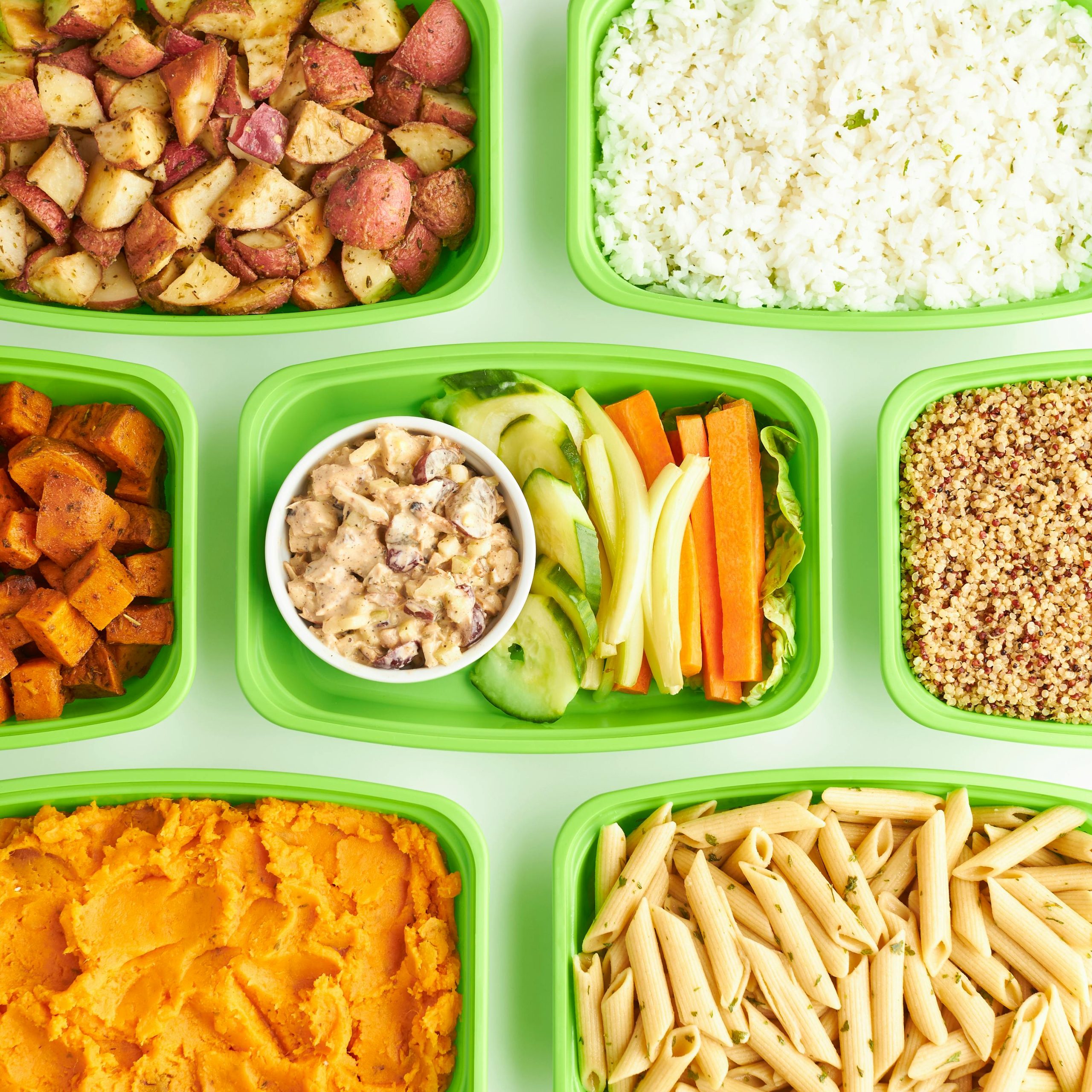
In 2026, food trends are increasingly shaped by one simple priority: maintaining energy without adding complexity. Across daily routines, high-protein, low-effort meals continue to dominate—not as a fitness niche, but as a general response to how mentally and physically draining modern schedules have become.
The shift is practical. People are not trying to reinvent eating habits; they’re trying to make them easier to sustain. Meals that require minimal preparation but deliver steady energy are replacing more elaborate cooking routines, especially during weekdays. The focus has moved from culinary experimentation to functional consistency.
Protein has become the anchor of this pattern. It’s less about optimization and more about stability—keeping energy levels from dropping sharply throughout the day. This includes simple combinations: eggs, yogurt-based bowls, lean meats, legumes, ready-to-assemble meals, and pre-prepped ingredients that reduce decision fatigue.
What’s driving this trend is not just nutrition science, but lifestyle pressure. With attention split across work, digital engagement, and constant cognitive load, people are gravitating toward food that requires fewer decisions. The goal is not to spend more time thinking about meals, but less.
This is where “low-effort” becomes important. It doesn’t mean low quality—it means reduced friction. Meals that can be repeated, assembled quickly, or prepared in batches are becoming more common because they remove the need for daily planning.
There’s also a strong link to energy management. People are more aware of how food affects focus, mood, and stamina throughout the day. Instead of extreme dietary shifts, the emphasis is on predictable outcomes: steady energy rather than spikes and crashes.
Social media has reinforced this direction. Simple meal ideas tend to circulate more widely than complex recipes because they feel accessible. A high-protein wrap, a quick bowl, or a minimal ingredient plate is easier to replicate, which makes it more likely to be adopted at scale.
At the same time, this trend reflects a broader cultural slowdown. In the same way wellness is shifting toward balance and recovery, food habits are moving away from intensity and toward sustainability. The question is no longer “what is the most optimized diet?” but “what can I realistically maintain without burnout?”
Convenience, once seen as secondary, is now central. Pre-prepped foods, repeatable meals, and flexible eating patterns are not shortcuts—they’re strategies for preserving energy across increasingly demanding days.
Ultimately, “What People Are Eating for Energy Right Now” reflects a simple but significant change: food is no longer just about nutrition or enjoyment in isolation. In 2026, it is increasingly about supporting the basic requirement of modern life—staying functional in a world that rarely slows down on its own.
MAHA (Make America Healthy Again) overview
https://en.wikipedia.org/wiki/Make_America_Healthy_Againhttps://www.heart.org/en/healthy-living/healthy-eating/eat-smart/nutrition-basics/are-ultraprocessed-foods-good-or-badhttps://medlineplus.gov/ency/article/007847.htmhttps://www.health.harvard.edu/blog/what-are-ultra-processed-foods-and-are-they-bad-for-our-health-2020010918605https://www.healthline.com/nutrition/junk-food-vs-healthy-foodhttps://www.nypost.com/2026/04/23/health/new-healthy-school-lunch-program-is-tackling-ultra-processed-foods/https://www.washingtonpost.com/health/2026/05/06/maha-health-care-costs-poll/https://en.wikipedia.org/wiki/Make_America_Healthy_Againhttps://www.heart.org/en/healthy-living/healthy-eating/eat-smart/nutrition-basics/are-ultraprocessed-foods-good-or-badhttps://medlineplus.gov/ency/article/007847.htmhttps://www.health.harvard.edu/blog/what-are-ultra-processed-foods-and-are-they-bad-for-our-health-2020010918605https://www.healthline.com/nutrition/junk-food-vs-healthy-foodhttps://www.nypost.com/2026/04/23/health/new-healthy-school-lunch-program-is-tackling-ultra-processed-foods/https://www.washingtonpost.com/health/2026/05/06/maha-health-care-costs-poll/1
Leave a Reply