
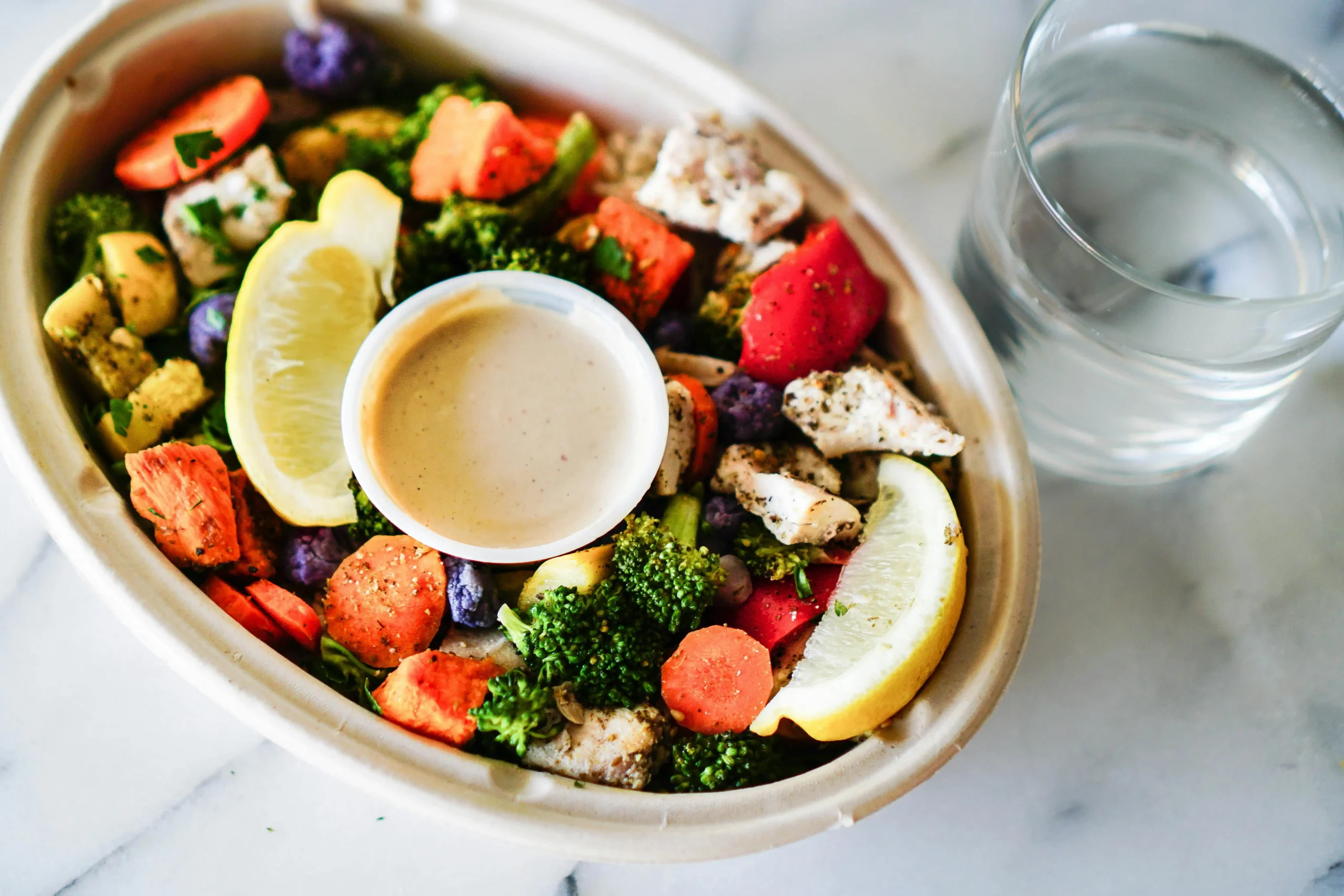
Finding healthy recipes for weight loss that are actually enjoyable to eat is one of the biggest challenges for anyone trying to improve their diet. Many people start a weight loss journey full of motivation, only to give up after a few days of bland meals, restrictive eating plans, or recipes that feel more like punishment than real food.
The truth is, weight loss does not require boring food. You do not need to survive on plain salads, tasteless boiled chicken, or strict detox meals to see results. In fact, sustainable weight loss happens more easily when your meals are satisfying, flavorful, and realistic enough to follow long-term.
Healthy eating should still feel like eating. The goal is to enjoy food while supporting your body’s natural fat-burning processes through balanced nutrition, portion control, and smarter ingredient choices.
This guide will focus on how to create healthy recipes for weight loss that taste good, why most diets fail, and a detailed recipe you can actually enjoy and repeat without feeling deprived. The recipe included is simple, nutritious, and designed to support steady energy and fat loss without sacrificing flavor.
Why Most Weight Loss Recipes Fail
A common mistake in weight loss diets is focusing only on calories while ignoring taste, satisfaction, and sustainability. When meals are too restrictive or unappealing, people naturally return to old eating habits.
Another issue is the overuse of “diet foods” that are low in calories but also low in satisfaction. These meals may temporarily reduce calorie intake, but they often lead to cravings, overeating, and emotional eating later in the day.
Healthy weight loss recipes should do three things at the same time: support a calorie deficit, provide balanced nutrition, and taste good enough that you actually want to eat them again.
When food is enjoyable, you are far more likely to stay consistent, and consistency is the real key to long-term weight loss success.
What Makes a Healthy Recipe Good for Weight Loss
Not all healthy meals automatically support weight loss. The best recipes are built around a few important principles.
First, they include high-quality protein. Protein helps control hunger, supports muscle maintenance, and keeps you full for longer periods of time. This reduces unnecessary snacking and cravings throughout the day.
Second, they include fiber-rich ingredients such as vegetables, fruits, and whole grains. Fiber slows digestion and helps regulate blood sugar levels, which prevents energy crashes and overeating.
Third, they include healthy fats in moderation. Fats are essential for hormone balance and satiety, but portion control is important since they are calorie-dense.
Finally, the best recipes use simple, real ingredients instead of heavily processed foods. Whole foods naturally support better digestion and more stable energy levels.
When these elements are combined, weight loss becomes more natural and less restrictive.
The Importance of Taste in Weight Loss Success
Taste is often underestimated in diet planning. Many people assume that eating for weight loss means sacrificing flavor, but this mindset is one of the main reasons diets fail.
When meals are satisfying and flavorful, your brain feels rewarded, which reduces cravings for unhealthy foods. This psychological satisfaction is just as important as the nutritional value of the food itself.
Using herbs, spices, citrus, garlic, onions, and natural seasonings can dramatically improve the taste of healthy meals without adding unnecessary calories. This allows you to enjoy food while still staying within your weight loss goals.
A successful weight loss plan should never feel like a punishment. Instead, it should feel like a lifestyle upgrade where you still enjoy your favorite meals in a healthier way.
Common Ingredients That Support Weight Loss
Before we go into the recipe, it helps to understand the types of ingredients that work best for healthy weight loss meals.
Lean proteins such as chicken breast, fish, eggs, tofu, and turkey provide essential nutrients without excessive calories.
Vegetables like broccoli, spinach, carrots, zucchini, and bell peppers add volume to meals, making you feel full without adding many calories.
Whole grains such as brown rice, quinoa, and oats provide slow-digesting carbohydrates that help maintain energy levels.
Healthy fats like olive oil, avocado, nuts, and seeds support hormone function and help you feel satisfied after meals.
These ingredients form the foundation of most effective healthy recipes for weight loss.
Healthy Recipe for Weight Loss That Actually Tastes Good
This recipe is designed to be simple, flavorful, and easy to prepare even for beginners. It combines lean protein, fiber, and healthy fats in a balanced meal that supports fat loss while still feeling satisfying.
Lemon Garlic Chicken with Roasted Vegetables and Brown Rice
This dish is a complete, balanced meal that works perfectly for lunch or dinner. It is rich in protein, full of flavor, and easy to customize based on what you have at home.
Ingredients
For the chicken:
Chicken breast (boneless and skinless)
2 cloves garlic, minced
1 tablespoon olive oil
Juice of 1 lemon
Salt and pepper to taste
1 teaspoon paprika
1 teaspoon dried oregano
For the vegetables:
1 cup broccoli florets
1 medium carrot, sliced
1 zucchini, sliced
1 bell pepper, chopped
1 tablespoon olive oil
Salt and pepper to taste
For the base:
1 cup cooked brown rice
Optional garnish:
Fresh parsley or extra lemon slices
How to Prepare Step by Step
The preparation of this meal is simple and can be completed in under an hour, making it perfect for meal prep or busy weeknights.
Start by preparing the chicken marinade. In a bowl, combine olive oil, minced garlic, lemon juice, paprika, oregano, salt, and pepper. Mix well until the flavors are evenly combined. Add the chicken breast and coat it thoroughly. Let it marinate for at least 20 to 30 minutes so the flavors can fully absorb into the meat. If you have more time, marinating for a few hours in the refrigerator will make the chicken even more flavorful.
While the chicken is marinating, preheat your oven to 200 degrees Celsius. Prepare your vegetables by washing and cutting them into even sizes to ensure they cook evenly. Place them on a baking tray and drizzle with olive oil. Add a pinch of salt and pepper, then toss everything together so the vegetables are lightly coated.
Roast the vegetables in the oven for about 20 to 25 minutes or until they become tender and slightly caramelized on the edges. Roasting brings out the natural sweetness of the vegetables, making them more enjoyable to eat even without heavy sauces.
Next, cook the marinated chicken. You can grill it, pan-fry it, or bake it depending on your preference. If using a pan, cook the chicken over medium heat for about 5 to 7 minutes on each side until it is fully cooked and golden brown. If baking, place it in the oven for about 20 minutes or until the internal temperature is properly reached.
While everything is cooking, prepare the brown rice according to package instructions. Brown rice takes slightly longer than white rice, but it provides more fiber and helps keep you full for longer periods.
Once everything is cooked, assemble your plate. Start with a base of brown rice, add the roasted vegetables on the side, and place the sliced lemon garlic chicken on top or beside the rice. You can drizzle a little extra lemon juice over the dish for added freshness.
Why This Recipe Works for Weight Loss
This meal works well for weight loss because it balances all the essential components your body needs while keeping calories under control.
The chicken provides high-quality protein that helps reduce hunger and supports muscle maintenance. The vegetables add fiber and volume, which helps you feel full without overeating. The brown rice provides slow-digesting carbohydrates that keep your energy stable throughout the day.
The lemon and garlic not only enhance flavor but also help reduce the need for heavy sauces or high-calorie dressings.
Unlike many diet meals, this dish feels satisfying and flavorful, which makes it easier to stick to long-term.
Tips to Make Healthy Recipes More Flavorful
One of the best ways to make healthy eating sustainable is to focus on flavor. Small changes can make a big difference in how enjoyable your meals are.
Using fresh herbs like basil, cilantro, or parsley can elevate simple dishes. Citrus fruits like lemon and lime add brightness and reduce the need for salt. Spices such as paprika, cumin, and black pepper add depth without extra calories.
Another important tip is not to be afraid of cooking methods like roasting, grilling, and sautéing. These techniques enhance natural flavors and make healthy ingredients more appealing.
Conclusion: Healthy Eating That Actually Lasts
Healthy recipes for weight loss do not need to be boring or difficult. When you focus on balanced nutrition and real flavor, you can create meals that support your goals while still being enjoyable.
The key to long-term success is not extreme dieting but consistency. When you enjoy what you eat, you are far more likely to stick with it, and that is what leads to real, lasting results.
This lemon garlic chicken with roasted vegetables and brown rice is just one example of how healthy eating can be simple, satisfying, and effective for weight loss. With the right approach, food becomes not just fuel for your body, but something you genuinely look forward to every day.
Leave a Reply