
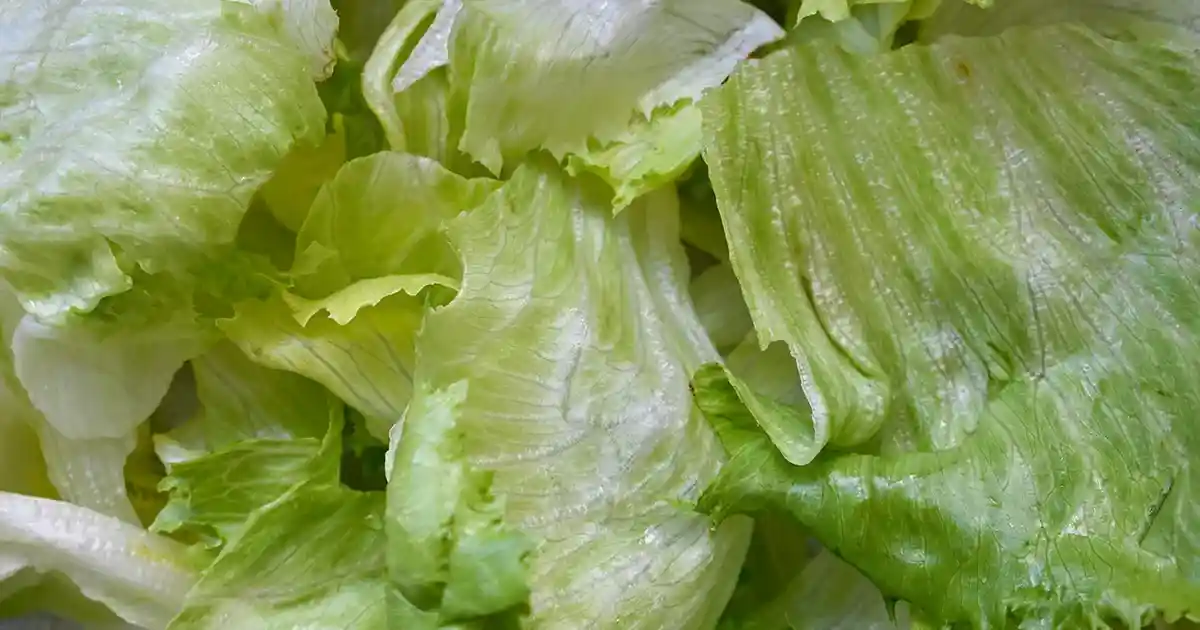
A Record-Breaking Cyclospora Season Raises New Food Safety Concerns
The United States is facing an unusually large surge in cyclosporiasis cases, with federal health officials reporting more than 17,000 laboratory-confirmed infections acquired domestically since the beginning of May 2026. The Centers for Disease Control and Prevention reported 17,180 confirmed cases as of August 24, making this one of the most significant Cyclospora seasons the country has experienced in years.
The increase has drawn particular attention because a major multistate outbreak has been linked to contaminated iceberg lettuce. At the same time, health officials stress that not every case included in the national total has been connected to the lettuce outbreak. The CDC is investigating several sources and clusters of cyclosporiasis as cases continue to be reported across the country.
The scale of the outbreak has raised concerns among consumers, restaurants, food suppliers and public health officials. The CDC says 48 states and the District of Columbia have reported cases, while 922 hospitalizations and two deaths have been recorded among domestically acquired cases reported since May 1. Officials also say thousands of additional reports require further investigation or laboratory confirmation, meaning the true number of infections could be considerably higher.
For consumers, the outbreak is an important reminder that foodborne illnesses are not limited to familiar bacteria such as Salmonella or E. coli. Cyclospora, a microscopic parasite that can contaminate fresh produce and water, can cause prolonged gastrointestinal illness and may be difficult to diagnose without specific testing.
What Is Cyclospora?
Cyclosporiasis is an intestinal illness caused by the parasite Cyclospora cayetanensis. People become infected when they consume food or water contaminated with the parasite.
Unlike some foodborne illnesses, Cyclospora is particularly associated with fresh produce. Previous outbreaks have been connected to fruits, vegetables and herbs, and public health officials have increasingly investigated domestically acquired infections rather than cases associated exclusively with international travel.
The parasite can be difficult to detect because infection does not necessarily cause symptoms immediately. According to the CDC, symptoms generally begin about one week after exposure, although they can appear as soon as two days or more than two weeks after exposure.
That delay can make outbreak investigations challenging.
A person who develops diarrhea several days after eating at a restaurant or consuming fresh produce may not immediately connect the illness to a particular food. By the time the infection is diagnosed, the suspected food may have already been eaten or discarded.
This is one reason public health investigators rely on interviews, laboratory testing, traceback investigations and other epidemiological methods to identify common sources.
The Numbers Behind the 2026 Outbreak
The latest CDC surveillance data show just how unusual this year’s situation has become.
Since May 1, 2026, the agency has received reports of 17,180 laboratory-confirmed cases of cyclosporiasis acquired in the United States. By comparison, only 1,180 domestically acquired cases were reported during the same period in 2025.
That represents a dramatic increase over the previous year’s numbers.
The CDC’s national data also show 922 hospitalizations and two deaths associated with the cases reported during the 2026 season.
The median age of reported patients is 46, although cases have occurred among people ranging from infants to adults in their 90s. Women account for 56% of reported cases and men account for 44%, according to CDC surveillance data.
Importantly, the agency warns that the reported figure does not represent every person who may have become infected.
Some people with relatively mild symptoms may recover without seeing a doctor. Others may be tested for more common causes of diarrhea without receiving the specialized testing necessary to identify Cyclospora.
The CDC is also aware of 11,844 additional cases that are not laboratory-confirmed or require further investigation to determine whether they meet the criteria for domestically acquired cyclosporiasis.
That means the final number for the 2026 season could rise substantially.
Iceberg Lettuce at the Center of a Major Investigation
One of the most significant developments in the outbreak investigation involves iceberg lettuce.
Federal and state health officials identified a multistate cluster of cyclosporiasis infections associated with shredded iceberg lettuce served at Taco Bell restaurants in several Midwestern states. The FDA’s traceback investigation identified a supplier of iceberg lettuce from Mexico connected to the restaurants where people reported becoming sick.
The investigation eventually expanded beyond the initial group of states.
By late August, officials had linked 11,458 cases to the lettuce-associated outbreak across 20 states, according to reporting from Reuters. The outbreak investigation identified iceberg lettuce sourced from Taylor Farms’ operations in central Mexico as the implicated product.
This number should not be confused with the CDC’s overall national total of 17,180 laboratory-confirmed domestically acquired cases.
The larger national figure includes cases that are part of the lettuce-linked outbreak as well as other infections that have not been linked to that specific source.
That distinction is important because it shows that the United States is dealing with both a major identified foodborne outbreak and an unusually high nationwide level of Cyclospora infections.
Why Fresh Produce Can Carry Cyclospora
Cyclospora is particularly associated with fresh produce because contamination can occur when food comes into contact with contaminated water or other sources during growing, harvesting, processing or preparation.
Fresh vegetables are often eaten raw, which means there is no cooking step to kill parasites that may be present on the food.
Iceberg lettuce is frequently served raw in salads, sandwiches, tacos and other restaurant dishes, making contamination particularly concerning when an affected product enters the food supply.
The CDC has advised consumers to follow food safety practices, including washing fresh produce under running water before eating, cutting or cooking it. However, the agency also emphasizes that washing alone cannot guarantee that Cyclospora will be removed. Cooking produce to at least 158 degrees Fahrenheit, or 70 degrees Celsius, can kill the parasite.
This is particularly relevant for consumers who regularly eat raw vegetables.
What Are the Symptoms of Cyclosporiasis?
The most common symptom of cyclosporiasis is watery diarrhea.
Other symptoms can include loss of appetite, weight loss, stomach cramps, bloating, increased gas, nausea and fatigue. Some people may also experience a low-grade fever.
One of the more frustrating characteristics of the illness is that symptoms can persist for an extended period.
The CDC says untreated symptoms can last from several days to a month or longer. Symptoms can also improve and then return, making the illness difficult to distinguish from other gastrointestinal infections.
Because the symptoms overlap with other causes of diarrhea, patients may not immediately realize that Cyclospora is responsible.
People who develop persistent or severe diarrhea, particularly after possible exposure to a contaminated food source, should speak with a healthcare professional.
Why Cyclospora Can Be Difficult to Diagnose
One of the biggest challenges associated with the current outbreak is identifying infections through routine medical testing.
Cyclospora requires specific laboratory testing, and routine stool testing does not always include a test for the parasite.
The CDC advises people experiencing symptoms to discuss Cyclospora testing with their healthcare provider when appropriate.
The diagnostic challenge also complicates outbreak investigations.
When people become sick at different times and in different states, investigators must determine whether their illnesses are connected. They may ask patients what foods they consumed during the previous several days or weeks and look for patterns among unrelated cases.
Because symptoms can begin after a delay, identifying a common food source can take considerable time.
Why This Year’s Outbreak Is Different
Cyclospora infections are not new in the United States.
However, the scale of the 2026 increase is striking.
The CDC has reported that the number of domestically acquired laboratory-confirmed cases since May is dramatically higher than during the comparable period in 2025. At the same time, multiple jurisdictions have reported increases compared with previous years.
The agency has previously explained that cyclosporiasis investigations can be especially complicated because of the delay between exposure and symptoms.
Officials also use targeted genetic analysis rather than the whole-genome sequencing commonly available for many bacterial pathogens. That can make it more difficult to quickly determine whether cases are connected to the same contamination event.
As a result, the public may hear about new cases for weeks after a contaminated product has been removed from the marketplace.
What Consumers Should Know About Lettuce
The discovery of contaminated iceberg lettuce does not mean that consumers should automatically avoid all lettuce.
The CDC’s July food safety alert specifically advised consumers not to eat recalled iceberg lettuce sourced from Taylor Farms de Mexico and instructed people who purchased affected products to throw them away or return them. The agency also advised cleaning surfaces and items that may have come into contact with recalled lettuce.
Consumers should pay attention to official recall announcements rather than assuming that every package of iceberg lettuce is contaminated.
Food recalls can involve specific suppliers, lots, distribution networks or dates. Government agencies update their guidance as investigations develop.
For that reason, checking current information from the CDC and FDA is more reliable than relying on social media posts or generalized claims that all lettuce is unsafe.
Restaurants and Food Suppliers Face Greater Scrutiny
The outbreak also highlights the complicated nature of the modern food supply chain.
Fresh produce can travel through multiple stages before reaching a consumer. Lettuce may be grown in one country, processed by another company, shipped across borders and eventually distributed to restaurants or supermarkets in numerous states.
When contamination occurs, investigators must trace those movements to determine where the problem began and which products may have been affected.
In the current Cyclospora investigation, federal officials traced the implicated iceberg lettuce to a supplier in Mexico. The investigation has involved the CDC, FDA, state health departments and Mexican authorities.
That cooperation is essential because foodborne outbreaks do not respect state or national borders.
The Difference Between the National Surge and the Lettuce Outbreak
The distinction between the overall national outbreak and the lettuce-linked investigation deserves particular attention.
The CDC’s 17,180 figure represents laboratory-confirmed domestically acquired cyclosporiasis cases reported since May 1.
The iceberg lettuce investigation represents a specific group of cases linked through epidemiological and traceback evidence.
As of the latest reports, more than 11,000 cases were associated with the lettuce-linked outbreak, while the overall national total exceeded 17,000.
This means health officials are not saying that every one of the 17,180 cases came from iceberg lettuce.
Some infections have different or unknown sources.
That distinction will become increasingly important as investigators attempt to understand why the national number has risen so sharply.
Could the Number of Cases Continue to Rise?
Health officials have warned that additional cases may continue to be reported.
Cyclosporiasis has a seasonal pattern, and the CDC previously said it anticipated cases could continue increasing through the end of August.
There is also an unavoidable reporting delay.
Someone exposed to Cyclospora may not develop symptoms immediately. They may then wait before seeking medical attention, undergo testing and eventually have their case reported to public health authorities.
As a result, the official case count can continue increasing even after the peak of exposure has passed.
The CDC also notes that current figures are preliminary and subject to change as additional information becomes available.
How Consumers Can Reduce Their Risk
There are several practical steps people can take to reduce their risk of foodborne illness.
Consumers should wash their hands before preparing food and wash fresh produce thoroughly under running water. Cutting boards, knives, counters and other food preparation surfaces should also be cleaned regularly.
People should follow official food recall instructions and avoid consuming recalled products.
When a specific product has been identified as part of an outbreak, consumers should not attempt to make it safe by simply washing it again. Recalled food should be discarded or returned according to the instructions issued by public health authorities.
Cooking can also destroy Cyclospora, although many vegetables associated with the parasite are commonly eaten raw.
The most important step during an active outbreak is staying informed through reliable public health sources.
What Happens Next in the Investigation?
The investigation into the 2026 Cyclospora surge is still developing.
Federal and state officials are continuing to monitor new cases, investigate potential food exposures and analyze laboratory results.
The lettuce-linked outbreak has already expanded to additional states, demonstrating how quickly contaminated produce can affect consumers across multiple regions.
At the same time, officials continue investigating cases that cannot yet be connected to the known lettuce source.
The goal is not only to determine how many people became sick but also to understand why this year’s numbers are so much higher than previous seasons.
Identifying additional contaminated foods or common exposure patterns could help prevent further infections.
A Major Warning About Food Safety
The 2026 Cyclospora outbreak serves as a reminder that food safety is a complex process involving farms, suppliers, restaurants, retailers, regulators and consumers.
A contaminated product can travel hundreds or thousands of miles before anyone realizes there is a problem.
The current outbreak also demonstrates why surveillance systems are important.
Without laboratory testing and case reporting, many infections could remain unidentified. The CDC’s national surveillance data have allowed officials to recognize the unusually high number of cases and investigate possible connections between patients in different states.
The response also shows why consumers should take food recalls seriously.
Even when a person feels healthy after eating a particular food, a recall may indicate that the product should no longer be consumed.
Conclusion: A Growing Health Story Americans Should Watch
The United States is experiencing an extraordinary rise in cyclosporiasis cases in 2026, with the CDC reporting 17,180 laboratory-confirmed domestically acquired infections since May 1.
A major portion of those illnesses has been connected to an outbreak involving contaminated iceberg lettuce, which has spread across 20 states and prompted investigations by federal and state health officials.
But the national picture is broader than the lettuce outbreak.
Thousands of cases remain under investigation, and officials continue to search for explanations for the unprecedented increase in Cyclospora infections.
For consumers, the message is not to panic but to remain informed.
People should follow official food recall announcements, practice careful food handling, wash fresh produce thoroughly and contact a healthcare provider when experiencing persistent symptoms that could indicate cyclosporiasis.
As investigators continue tracking the outbreak, the 2026 Cyclospora surge is becoming an important food-safety story that reaches far beyond one restaurant chain or one type of lettuce.
The coming weeks should provide more information about the full scale of the outbreak, the sources of infections not connected to the lettuce investigation and the steps that can be taken to reduce the risk of future Cyclospora outbreaks.
Citation Sources
Centers for Disease Control and Prevention — Cyclospora Case Data
CDC Cyclospora Case Data
Centers for Disease Control and Prevention — Cyclospora Outbreak Linked to Iceberg Lettuce
CDC Iceberg Lettuce Outbreak Investigation
Centers for Disease Control and Prevention — Cyclosporiasis
CDC Cyclosporiasis Information
Reuters — U.S. Cyclospora Cases Exceed 17,000
Reuters Coverage of the Cyclospora Outbreak
Reuters — U.S. Widens Lettuce-Related Cyclosporiasis Investigation
Reuters Coverage of the Lettuce-Linked Outbreak
Leave a Reply