
Fall has a way of changing the way we eat. As the weather becomes cooler and the days get shorter, warm soups, roasted vegetables, oatmeal, baked apples, and cozy comfort foods become more appealing. But seasonal eating does not have to mean feeling tired or sluggish after every meal. With the right combination of nutritious ingredients, fall can actually be a great time to focus on foods that provide steady energy and keep you feeling satisfied throughout the day.
The idea of food fuel is simple. What you eat provides your body with the energy and nutrients it needs to work, move, concentrate, recover, and handle everyday demands. Instead of relying heavily on sugary snacks or highly processed foods that may leave you hungry again quickly, building meals around protein, fiber, complex carbohydrates, healthy fats, vitamins, and minerals can help support more consistent energy.
Fortunately, many of the foods naturally associated with fall are also nutrient-rich. Pumpkin, sweet potatoes, apples, pears, oats, beans, lentils, leafy greens, nuts, seeds, and winter squash can all become part of a balanced fall diet. Whether you need energy for a busy workday, a workout, family activities, or simply getting through a packed schedule, these seasonal foods can help fuel your body in a satisfying way.
Why Your Body Needs Better Fuel in the Fall
Changes in the season can influence your daily routine. Cooler temperatures may make you want heavier meals, while shorter days can sometimes affect your sleep schedule, activity levels, and appetite. When routines change, it becomes even more important to pay attention to the quality of your meals.
Energy comes from calories, but calories are not the only thing that matters. Your body also needs nutrients to support normal biological processes. Protein helps maintain and repair tissues, carbohydrates provide an important source of energy, fats help with various bodily functions, and vitamins and minerals support countless processes throughout the body.
A balanced fall meal can combine several of these nutrients instead of depending on one food alone. For example, roasted sweet potatoes with grilled chicken and leafy greens provide carbohydrates, protein, fiber, vitamins, and minerals. Adding a small amount of healthy fat, such as avocado or olive oil, can make the meal more satisfying.
This approach to fall food fuel is less about following a strict diet and more about giving your body a reliable supply of nourishing foods.
Pumpkin Is More Than a Fall Favorite
Pumpkin is one of the most recognizable foods of the season, but its nutritional value makes it more than just a seasonal decoration or dessert ingredient.
Pumpkin is naturally rich in carotenoids and provides fiber, while its relatively mild flavor makes it incredibly versatile. It can be added to soups, oatmeal, smoothies, roasted vegetable dishes, and savory meals.
Pumpkin also works well when combined with protein and healthy fats. Instead of relying on a sugary pumpkin-flavored drink for a quick energy boost, consider using real pumpkin in a balanced breakfast. Pumpkin oatmeal with Greek yogurt and nuts, for example, can provide a combination of carbohydrates, protein, fiber, and fat.
The goal is not to avoid traditional fall treats. Pumpkin bread, muffins, and pies can certainly be enjoyed. The difference is that incorporating pumpkin into more balanced meals gives you another way to make this seasonal ingredient part of your everyday food fuel.
Sweet Potatoes Provide Satisfying Energy
Sweet potatoes are another excellent fall staple. Their naturally sweet flavor makes them feel comforting, but they can also be used in nutritious meals that provide lasting satisfaction.
Sweet potatoes contain carbohydrates, fiber, and several important nutrients. Carbohydrates are particularly useful as an energy source because the body can break them down into glucose for fuel.
The way you prepare sweet potatoes can also influence how they fit into your overall meal. Roasting, baking, or steaming them can create a simple side dish without requiring excessive added sugar or fat.
For a balanced fall lunch or dinner, pair a baked sweet potato with a protein source such as chicken, eggs, fish, beans, or tofu. Add vegetables and a source of healthy fat to create a more complete meal.
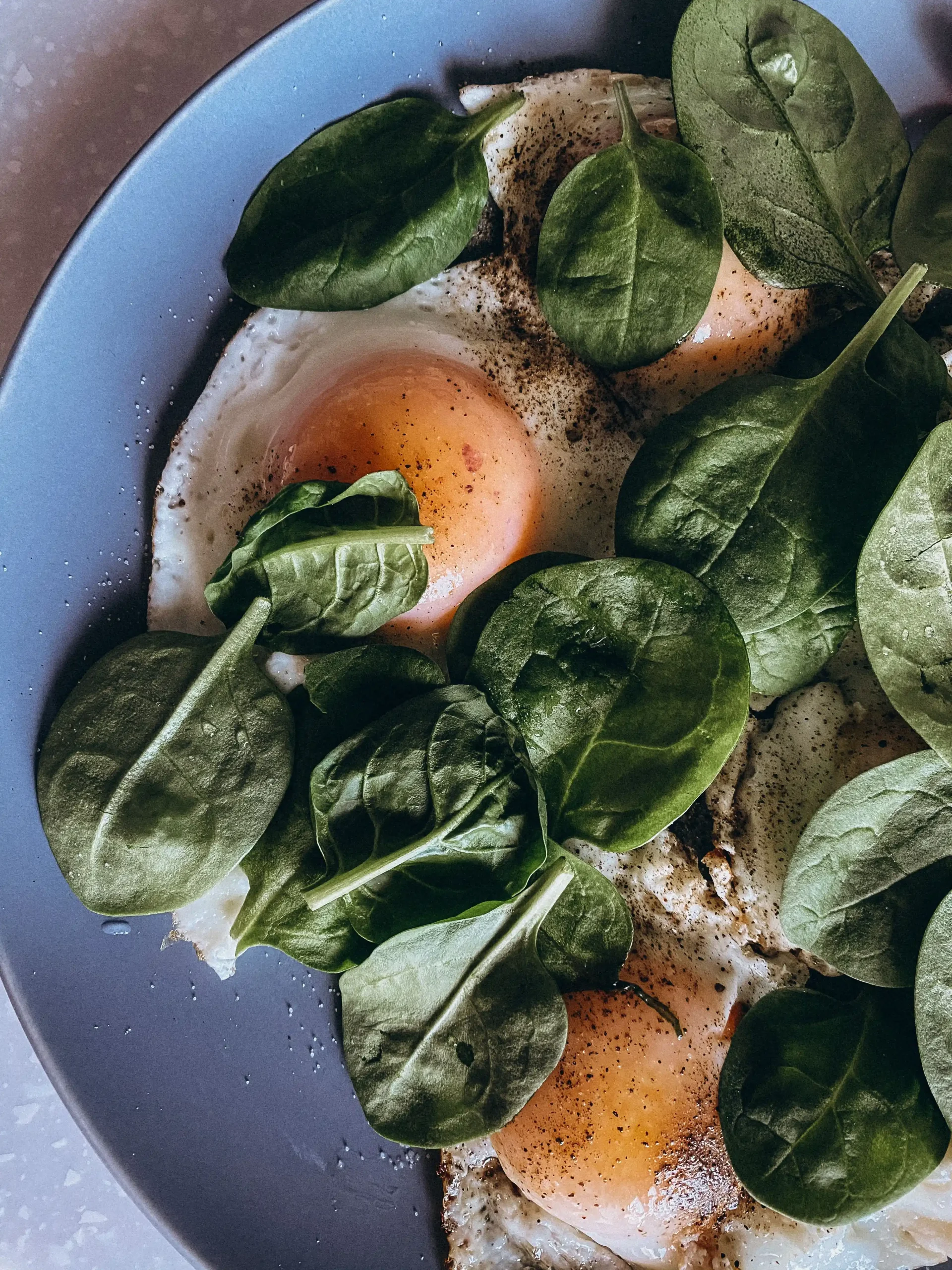
Sweet potatoes can also become part of breakfast. Try combining roasted sweet potato with eggs and leafy greens, or adding mashed sweet potato to oatmeal with cinnamon and nuts for a warming morning meal.
Oats Are a Fall Breakfast Staple
Few foods feel more appropriate for a cool fall morning than a warm bowl of oatmeal. Oats are also a practical choice for people looking for convenient food fuel.
Oats provide carbohydrates and fiber, making them a satisfying base for breakfast. Instead of treating oatmeal as a dessert by loading it with sugar, build it around ingredients that add nutritional value.
Start with plain oats and add fruit such as apples, pears, or berries. Add Greek yogurt, milk, or another protein-rich ingredient for more protein. Nuts and seeds can provide healthy fats and additional texture.
Cinnamon, pumpkin puree, and unsweetened applesauce can add seasonal flavor without requiring large amounts of added sugar.
The result is a breakfast that feels comforting while still supporting your nutritional needs. It is also easy to customize, which makes oatmeal useful when you want a quick fall meal before work, school, exercise, or a busy morning.
Apples and Pears Make Easy Energy-Boosting Snacks
Fall brings an abundance of apples and pears, making them convenient choices for snacks. Both fruits provide carbohydrates and fiber, along with naturally occurring sugars.
Fruit can be especially useful when you need something quick between meals. However, pairing fruit with a protein or fat source can make a snack more satisfying.
Try an apple with peanut or almond butter, sliced pear with Greek yogurt, or an apple paired with a small handful of nuts. These combinations can provide more staying power than eating a sweet snack by itself.
You can also incorporate apples and pears into meals. Add sliced apples to oatmeal, toss pears into a salad, or roast apples alongside vegetables and a protein source.
These simple combinations demonstrate how seasonal ingredients can become practical everyday food fuel without complicated preparation.
Winter Squash Can Add More Than Flavor
Butternut squash, acorn squash, spaghetti squash, and other varieties of winter squash are excellent ingredients for fall meals. Their natural sweetness and hearty texture make them especially satisfying when the weather gets cooler.
Winter squash provides carbohydrates, fiber, and various vitamins and minerals. It can be roasted as a side dish, added to soups, mashed as an alternative to other starches, or incorporated into grain bowls.
A simple fall grain bowl can combine roasted squash with quinoa or brown rice, chickpeas, leafy greens, and a light dressing. This creates a combination of carbohydrates, plant-based protein, fiber, and healthy fats.
Squash is also a great way to add more vegetables to comfort-food-inspired meals. You can use roasted squash in pasta dishes, soups, or warm salads without sacrificing the cozy feeling that makes fall food so appealing.
Beans and Lentils Are Powerful Plant-Based Fuel
When thinking about fall food fuel, it is easy to focus on fruits and vegetables and forget about protein. Beans and lentils are excellent options because they provide both protein and fiber.
Chickpeas, black beans, kidney beans, white beans, and lentils can be used in soups, stews, salads, grain bowls, and chili. Their combination of protein and fiber can make meals more filling.
A hearty lentil soup is particularly suited to fall. Add carrots, celery, tomatoes, leafy greens, and herbs for a warming meal packed with plant-based ingredients.
Beans can also be used to create easy meals when you do not have much time to cook. A simple bowl with beans, roasted vegetables, whole grains, and avocado can provide a balanced combination of nutrients without requiring an elaborate recipe.
Leafy Greens Still Belong on Your Fall Plate
Cooler weather does not mean you should stop eating leafy greens. Spinach, kale, Swiss chard, arugula, and other greens can add nutrients and freshness to heavier fall meals.
One of the easiest ways to eat more greens during fall is to incorporate them into warm dishes. Add spinach to soups, kale to grain bowls, or Swiss chard to a simple sauté.
You can also create a warm salad by combining roasted vegetables with leafy greens and a protein source. The contrast between warm ingredients and fresh greens makes the meal feel more substantial than a traditional cold salad.
Adding greens to fall meals is also a simple way to balance richer comfort foods. Instead of completely eliminating the foods you enjoy, combine them with nutrient-rich ingredients that make the overall meal more balanced.
Nuts and Seeds Add Staying Power
Nuts and seeds are small foods with a lot of nutritional value. Almonds, walnuts, pumpkin seeds, chia seeds, flaxseeds, and sunflower seeds can be added to a variety of fall meals.
They provide healthy fats and can also contribute protein, fiber, vitamins, and minerals depending on the type. Because they are calorie-dense, portion size is worth keeping in mind, but a small amount can add flavor and satisfaction to a meal.
Sprinkle pumpkin seeds over soup, add walnuts to oatmeal, mix chia seeds into yogurt, or use ground flaxseed in smoothies.
These additions can make simple meals more interesting while providing another source of nutrients that support your overall eating pattern.
Build Fall Meals Around Protein
One of the easiest ways to improve your food fuel strategy is to make protein a consistent part of your meals.
Eggs, chicken, turkey, fish, Greek yogurt, cottage cheese, tofu, beans, lentils, and other protein-rich foods can be incorporated into a wide range of fall dishes.
Protein can help you feel satisfied after eating and is important for maintaining and repairing body tissues. Pairing protein with carbohydrates, vegetables, and healthy fats creates a balanced meal rather than relying on one macronutrient.
For example, a fall breakfast could include eggs with roasted sweet potatoes and spinach. Lunch could be a chicken and squash grain bowl. Dinner could be salmon with roasted vegetables and quinoa. These meals are simple examples of how food fuel can become part of your normal routine.
Do Not Forget About Hydration
Food gets most of the attention when we talk about energy, but hydration matters too. Cooler temperatures can sometimes make people less aware of thirst, but your body still needs adequate fluids throughout the day.
Water should remain the foundation of your hydration routine. Herbal tea, broth-based soups, and water-rich fruits and vegetables can also contribute to fluid intake.
If you drink coffee or other caffeinated beverages, pay attention to how they fit into your overall routine. Coffee can be part of a balanced lifestyle, but it should not replace regular meals, adequate water, or sufficient sleep.
Staying hydrated alongside nutritious meals can help you feel better throughout the day and support your normal physical functions.
Smart Fall Snacks for Busy Days
Busy schedules can make it tempting to grab whatever food is easiest. Planning a few simple fall snacks can make it easier to stay fueled.
An apple with nut butter, Greek yogurt with pumpkin seeds, a hard-boiled egg with fruit, roasted chickpeas, or a small serving of nuts can all work as convenient snack options.
The best snack depends on what your body needs and how long it will be until your next meal. If you are preparing for exercise, you may want a carbohydrate-focused snack. If you need something to keep you satisfied between meals, combining protein, fiber, and healthy fats may be more appropriate.
There is no single perfect fall snack. The important thing is choosing foods that fit your routine and help you avoid becoming excessively hungry later.
How to Avoid the Fall Energy Slump
Food is only one part of maintaining energy, but your eating habits can make a difference. Large meals that are very high in refined carbohydrates and added sugars may leave some people feeling sluggish afterward, particularly when they are not balanced with protein, fiber, and other nutrients.
Instead of completely avoiding carbohydrates, choose a variety of carbohydrate sources. Oats, sweet potatoes, beans, lentils, fruit, squash, and whole grains can all be part of a balanced diet.
It is also helpful to avoid going too long without eating if that leaves you overly hungry and more likely to reach for whatever food is available. Planning meals and snacks ahead of time can make healthy choices easier.
Most importantly, remember that energy is influenced by more than food. Sleep, physical activity, stress, hydration, and daily routines all matter. Nutritious fall food can support your energy, but it works best as part of a healthy lifestyle rather than as a quick solution for constant fatigue.
Make Fall Food Fuel Simple and Enjoyable
Healthy seasonal eating does not need to be complicated. You can start by choosing a few fall ingredients you already enjoy and finding simple ways to incorporate them into balanced meals.
Roast a batch of sweet potatoes and squash for the week. Keep apples and pears available for snacks. Prepare oatmeal in advance for busy mornings. Add beans or lentils to soups and stews. Keep nuts and seeds on hand for easy toppings.
You also do not have to give up the foods that make fall enjoyable. Pumpkin pie, baked goods, warm drinks, and other seasonal treats can still have a place in your diet. A healthy approach is about the overall pattern of your meals rather than one individual food.
Fuel Your Body With the Best of Fall
Fall offers plenty of opportunities to make nutritious food feel comforting and satisfying. From pumpkin and sweet potatoes to oats, apples, squash, beans, lentils, leafy greens, nuts, and seeds, seasonal ingredients can provide the foundation for meals that support steady energy.
The best fall food fuel is not about following a perfect menu or eliminating your favorite comfort foods. It is about creating balanced meals that combine protein, fiber, complex carbohydrates, healthy fats, fruits, and vegetables in ways that work for your lifestyle.
As the season gets cooler and routines become busier, choosing nourishing foods can help you stay satisfied and prepared for everything on your schedule. With a little planning and a focus on nutrient-rich seasonal ingredients, fall can be a delicious opportunity to fuel your body while still enjoying everything the season has to offer.
Leave a Reply