
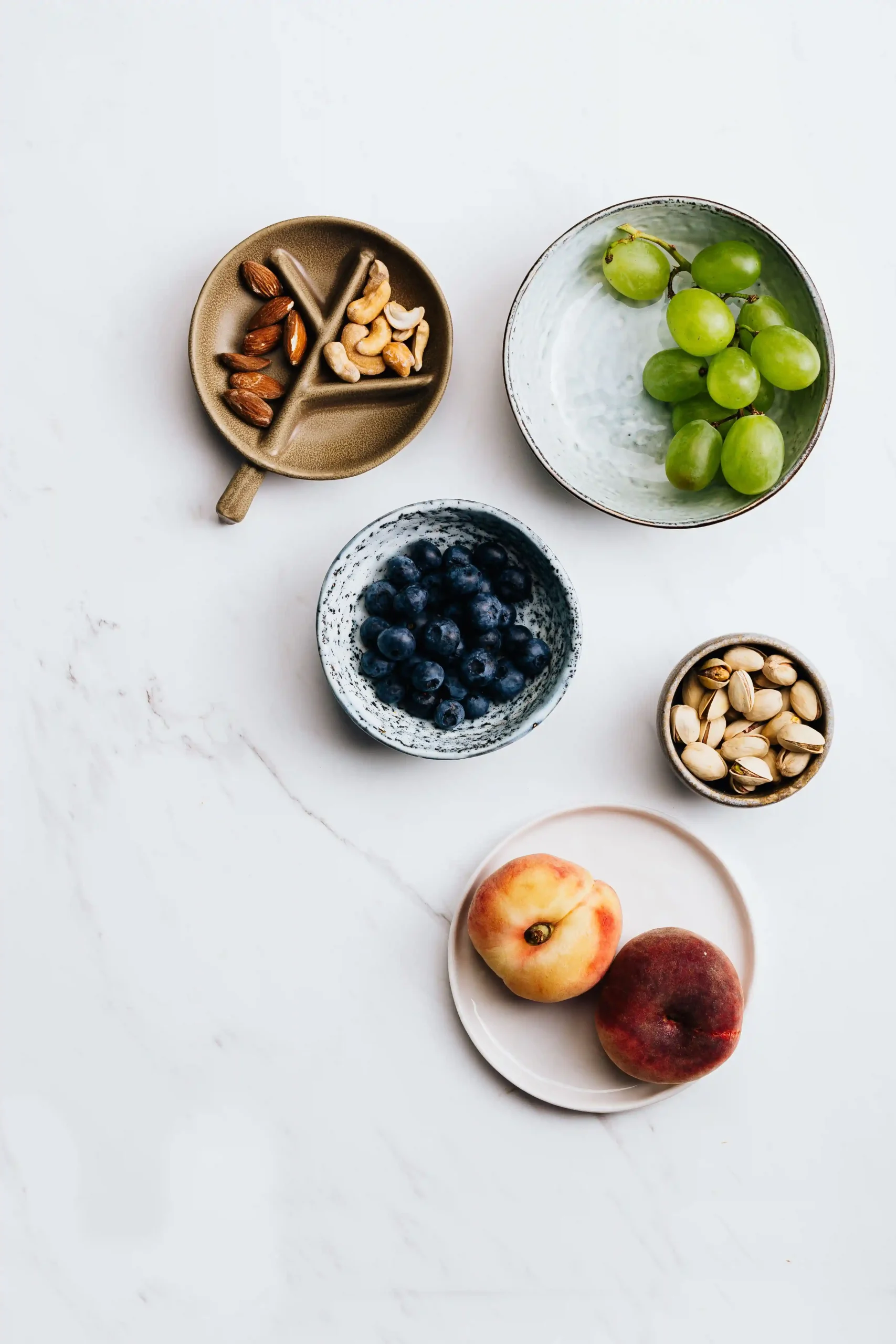
Food does more than satisfy hunger. Every meal gives your body a combination of vitamins, minerals, fiber, protein, healthy fats, antioxidants, and other nutrients that help support normal body functions. While food cannot replace medical treatment or magically cure illness, a nutritious diet can play an important role in supporting long-term health and reducing the risk of certain chronic diseases. Research-backed dietary patterns consistently emphasize vegetables, fruits, whole grains, legumes, nuts, seeds, fish, and other minimally processed foods as important parts of a healthy diet.
That is where the idea of “food as medicine” becomes useful. Instead of thinking about individual foods as miracle cures, think of nutritious foods as tools that help your body get what it needs to function well. The best approach is not about eating one perfect superfood every day. It is about creating variety and building meals around foods that provide substantial nutritional value.
If you are looking for healthy foods to add to your grocery list, these 12 options are a great place to start.
1. Leafy Green Vegetables
Spinach, kale, romaine lettuce, bok choy, arugula, and other leafy greens are some of the most nutrient-dense foods you can put on your plate. They provide a variety of vitamins, minerals, fiber, and plant compounds while generally being relatively low in calories.
Leafy greens can be especially easy to incorporate into everyday meals. Add spinach to eggs, blend greens into a smoothie, use romaine as the base of a salad, or sauté bok choy as a side dish. Eating a variety of vegetables is encouraged because different plants provide different combinations of nutrients and beneficial compounds.
The goal does not have to be eating a huge salad every day. Simply adding an extra serving of vegetables to lunch or dinner can make your overall diet more nutrient-rich.
2. Berries
Strawberries, blueberries, raspberries, and blackberries are small fruits with a lot to offer nutritionally. They provide fiber, vitamins, and naturally occurring plant compounds, making them an easy addition to a healthy eating pattern.
One of the biggest advantages of berries is their versatility. You can add them to oatmeal, plain yogurt, chia pudding, smoothies, or salads, or simply enjoy them as a snack. Choosing whole fruit rather than relying heavily on fruit juice also provides the benefit of fiber.
Berries can also make healthy eating feel less restrictive. Instead of reaching for highly processed sweets every time you want something sweet, fresh or frozen berries can provide natural sweetness while contributing nutrients to your diet.
3. Broccoli and Cruciferous Vegetables
Broccoli belongs to the cruciferous vegetable family, along with cauliflower, cabbage, Brussels sprouts, bok choy, and kale. These vegetables are rich in fiber and provide a variety of vitamins, minerals, and plant compounds.
Broccoli is particularly easy to work into everyday meals. Roast it with olive oil and herbs, steam it as a side dish, add it to stir-fries, or chop it into grain bowls. You can also combine several cruciferous vegetables in one meal instead of relying on a single type of produce.
A colorful and varied vegetable intake is more useful than focusing on one “best” vegetable. Harvard’s Healthy Eating Plate recommends making roughly half of a meal’s plate vegetables and fruits, emphasizing variety and color.
4. Beans and Lentils
Beans, chickpeas, black beans, kidney beans, peas, and lentils are affordable sources of plant-based protein and dietary fiber. They can be especially helpful for people who want satisfying foods that work in everything from soups to salads.
Fiber is an important part of a healthy diet. It supports digestive health, and different types of dietary fiber can have different effects in the body. Research highlighted by the National Institutes of Health shows that fiber-rich diets are associated with benefits involving metabolism and heart health, although the effects can vary depending on the type of fiber and the individual.
Legumes are also incredibly versatile. Lentils can become a hearty soup, chickpeas can be added to salads, and black beans can turn a simple bowl of rice and vegetables into a more filling meal.
5. Salmon and Other Fatty Fish
Fatty fish such as salmon, sardines, trout, mackerel, and herring are known for providing omega-3 fatty acids along with high-quality protein. The American Heart Association recommends eating fish, particularly fatty fish, as part of a heart-healthy dietary pattern and recommends two servings of fish per week.
Fish can be an excellent alternative to meals centered around processed or higher-saturated-fat meats. Grilled salmon can be served with vegetables and brown rice, while canned sardines can be added to toast, salads, or grain bowls.
Of course, the healthiest preparation matters too. Grilling, baking, steaming, or broiling fish can keep the meal simple without adding large amounts of saturated fat or excess calories from frying.
6. Walnuts and Other Nuts
Nuts may be small, but they contain a combination of protein, healthy fats, fiber, vitamins, minerals, and other nutrients. Walnuts, almonds, pistachios, pecans, and peanuts can all fit into a balanced diet.
Healthy fats are important for the body, and the American Heart Association identifies nuts and seeds as sources of healthier fats. Replacing some sources of saturated fat with unsaturated fats can be beneficial for heart health.
A small handful of unsalted nuts makes an easy snack, but nuts can also be sprinkled over oatmeal, salads, yogurt, or roasted vegetables. Because nuts are energy-dense, portion size still matters, especially if you are watching your overall calorie intake.
7. Chia Seeds
Chia seeds have become popular in wellness circles, and there is a good nutritional reason to include them in a balanced diet. They provide fiber, plant-based protein, and healthy fats, including alpha-linolenic acid, a plant-based omega-3 fatty acid.
One of the easiest ways to use chia seeds is to add them to oatmeal, smoothies, yogurt, or chia pudding. They can also be sprinkled over fruit or mixed into homemade energy bites.
Chia seeds should not be treated as a miracle weight-loss food or a replacement for a balanced diet. Their value comes from the nutrients they contribute to an overall eating pattern.
8. Oats and Other Whole Grains
Whole grains such as oats, brown rice, quinoa, barley, bulgur, and whole-grain bread can provide more fiber and nutrients than their refined counterparts. Whole grains retain the bran, germ, and endosperm, which means they contain components that can be lost during refining.
Oatmeal is an easy breakfast option, but whole grains do not have to be limited to breakfast. Brown rice can accompany fish and vegetables, quinoa can form the base of a salad, and barley can add texture to soup.
Replacing some refined grains with whole grains is a simple dietary change that can increase the nutritional quality of meals without requiring an extreme diet.
9. Avocados
Avocados are rich in monounsaturated fats and also provide fiber and several vitamins and minerals. Their creamy texture makes them an easy substitute for less nutritious spreads and a natural addition to salads, sandwiches, eggs, and grain bowls.
Healthy fats can help make meals more satisfying, and incorporating sources of unsaturated fats is part of many heart-healthy dietary recommendations.
You do not need to eat an entire avocado at every meal to benefit from it. A portion added to a balanced meal can provide flavor and nutritional value while making vegetables, whole grains, and lean proteins more enjoyable.
10. Eggs
Eggs are a convenient source of high-quality protein and provide several vitamins and minerals. They are also inexpensive, easy to prepare, and versatile enough for breakfast, lunch, or dinner.
A boiled egg can become a quick snack, while scrambled eggs can be paired with vegetables and whole-grain toast. Eggs can also be added to salads or served alongside sautéed greens.
The important point is to consider the whole meal rather than focusing on one ingredient. Eggs paired with vegetables and whole grains create a very different nutritional picture from eggs regularly served with highly processed meats and refined carbohydrates.
11. Plain Yogurt
Plain yogurt can provide protein and important nutrients such as calcium. Depending on the variety, yogurt may also contain live cultures. Choosing plain yogurt gives you more control over added sugar, since many flavored yogurt products can contain substantial amounts.
You can make plain yogurt more interesting by adding berries, chopped nuts, chia seeds, cinnamon, or a small amount of fruit. This creates a simple snack or breakfast that combines protein, fiber, healthy fats, and naturally sweet ingredients.
For people who do not eat dairy, fortified non-dairy alternatives can also be considered, depending on individual nutritional needs and dietary preferences.
12. Sweet Potatoes
Sweet potatoes are a nutrient-rich root vegetable that can add carbohydrates, fiber, and several vitamins and minerals to a meal. Their natural sweetness makes them particularly useful when you want a satisfying side dish without relying on highly processed foods.
Try roasting sweet potato wedges with herbs and olive oil, adding cooked sweet potato to a grain bowl, or serving it alongside grilled fish and green vegetables. They can also be mashed and seasoned with cinnamon for a simple side dish.
Like other whole or minimally processed carbohydrate sources, sweet potatoes can be part of a balanced diet. The goal is not to eliminate carbohydrates but to prioritize higher-quality sources more often. Harvard’s nutrition guidance emphasizes that the type and quality of carbohydrates matter, with vegetables, fruits, whole grains, and beans among the healthier choices.
How to Make Food Work Like Medicine
The biggest mistake people make when thinking about “food as medicine” is searching for one food that can solve every health problem. Nutrition does not work that way. Your body needs a combination of nutrients, and no single food provides everything you need.
Instead, focus on patterns. Fill more of your meals with vegetables and fruits. Choose whole grains more often than refined grains. Include healthy sources of protein such as beans, fish, nuts, seeds, poultry, eggs, or other options that fit your diet. Choose healthier unsaturated fats, and limit highly processed foods that are high in added sugar, sodium, or unhealthy fats. Harvard’s Healthy Eating Plate uses a similar approach, emphasizing vegetables and fruits, whole grains, healthy proteins, and healthy plant oils.
Variety is just as important as quantity. Eating spinach every day does not mean you can skip every other vegetable. Your body benefits from the different nutrients and plant compounds found across a wide range of foods. Try rotating colors, vegetables, fruits, protein sources, and whole grains throughout the week.
It is also worth remembering that healthy eating does not have to be expensive or complicated. Frozen vegetables and berries can be practical alternatives to fresh produce. Canned beans can save preparation time. Oats, lentils, brown rice, eggs, and seasonal produce can form the foundation of affordable meals.
Build a Better Plate, One Meal at a Time
You do not need to completely change your diet overnight. Small, consistent choices can gradually improve the overall quality of what you eat. Add berries to breakfast. Replace refined grains with oats or brown rice. Put leafy greens into your lunch. Add beans to soup. Choose fish a couple of times a week. Keep unsalted nuts available for snacks.
These changes may seem simple, but they add up when practiced consistently.
The real meaning of food as medicine is not that food can replace doctors, medications, or medical care. It is that nutrition is one of the everyday factors that can influence how well your body is supported over time. A diet centered on vegetables, fruits, whole grains, legumes, fish, nuts, seeds, and other nutrient-dense foods can help provide the fiber, protein, healthy fats, vitamins, minerals, and plant compounds your body needs.
So the next time you plan your grocery list, think beyond calories. Think about what each food can contribute to your overall diet. A colorful vegetable, a handful of nuts, a serving of beans, a bowl of oats, or a piece of salmon may seem like an ordinary food choice, but together, these choices can form the foundation of a healthier and more nourishing lifestyle.
Final Thoughts
Food is not a magic cure, but it can be one of the most practical ways to support your health every day. The best “medicine” on your plate is variety, balance, and consistency.
Start with these 12 healthy foods, experiment with different combinations, and focus on meals that are enjoyable enough to become part of your routine. Healthy eating does not have to mean perfection. It is about giving your body more of the foods that nourish it and making those choices part of everyday life.
Leave a Reply