

Healthy eating advice is everywhere. One day, social media celebrates high-protein breakfasts. The next, it promotes cutting carbohydrates, avoiding entire food groups, or following a strict meal plan designed around the latest wellness trend.
With so much conflicting information, it can be difficult to know what actually belongs on your plate.
The good news is that building satisfying meals does not require a complicated diet, expensive ingredients, or a complete kitchen makeover. For many people, a more practical approach begins with understanding how different foods work together.
A balanced meal typically combines vegetables or fruit, protein, fiber-rich carbohydrates, and sources of healthy fats. These components contribute different nutrients and can help make meals more enjoyable and satisfying. The exact proportions depend on individual needs, preferences, activity levels, and health circumstances.
The goal is not to make every plate look perfect. It is to create everyday meals that provide nourishment, taste good, and fit into real life.
A balanced plate reset is less about restriction and more about building a reliable foundation for eating well.
Why Balanced Meals Matter More Than Diet Trends
Nutrition trends often become popular because they promise a simple answer to a complicated question: What should I eat to feel better?
Some trends highlight useful ideas, such as eating enough protein or including more vegetables. Others make sweeping claims that a single ingredient, food group, or strict eating schedule is the secret to better health.
The problem begins when a potentially useful idea becomes an inflexible rule.
Carbohydrates, for example, are not automatically unhealthy. Whole grains, potatoes, beans, fruit, and other carbohydrate-containing foods can provide energy, fiber, vitamins, and minerals. Likewise, dietary fat is essential for normal body functions, although the type and amount of fat matter.
Protein is important, but eating more than your body needs does not automatically make a diet healthier.
Rather than treating one nutrient as the hero and another as the enemy, balanced eating considers the overall pattern.
Are you eating a variety of foods? Are your meals satisfying? Are you getting enough fiber and protein? Do your food choices provide the nutrients you need? Can you maintain your routine without feeling constantly deprived?
These questions are often more useful than asking whether a meal follows the latest viral diet.
A sustainable approach leaves room for different foods, cultural traditions, convenience, and personal preferences. It focuses on what you can consistently add to your routine rather than everything you must eliminate.
Start With the Balanced Plate Method
<AsyncImageGroup query={[“balanced healthy plate grilled chicken brown rice broccoli avocado overhead food photography”,”balanced vegetarian plate chickpeas quinoa roasted vegetables tahini overhead”,”healthy salmon plate roasted potatoes green vegetables olive oil overhead”]} aspectRatio=”5:4″ layout=”bento” />
One simple way to build a balanced meal is to visualize your plate in sections.
For a general starting point, the USDA’s MyPlate guidance encourages filling about half your plate with fruits and vegetables, while the remaining portions include grains and protein foods. The Harvard Healthy Eating Plate offers a similar visual approach, emphasizing vegetables and fruit, whole grains, healthy protein sources, and healthy oils.
These models are flexible guides rather than strict requirements. Your needs may differ depending on hunger, activity, age, medical circumstances, and other individual factors.
Here is how to apply the idea to everyday meals.
Vegetables and fruit: Add color, fiber, vitamins, and minerals. Options include broccoli, carrots, leafy greens, tomatoes, berries, apples, and frozen vegetables.
Protein: Include foods such as eggs, fish, chicken, tofu, beans, lentils, Greek yogurt, or other preferred protein sources. Protein contributes to tissue maintenance and repair and can help make meals more satisfying.
Fiber-rich carbohydrates: Consider oats, brown rice, whole-grain bread, potatoes, quinoa, beans, or other grains and starchy vegetables. These foods provide energy, and many also supply fiber and important micronutrients.
Healthy fats: Include foods such as olive oil, avocado, nuts, seeds, or fatty fish. These contribute essential fatty acids and help the body absorb fat-soluble vitamins.
A meal does not need to contain every category in precisely measured portions. A soup, sandwich, grain bowl, or mixed dish can provide the same general combination.
The purpose of the plate method is to make balanced choices easier to recognize, not to create another set of rules to worry about.
Protein: Build Meals Around More Than One Nutrient
Protein has become a major focus of nutrition conversations, and for good reason. It supports muscle maintenance, tissue repair, and many essential functions throughout the body.
It can also contribute to fullness, especially when combined with fiber-rich foods and other components of a balanced meal.
However, protein should be part of a complete eating pattern rather than the only priority.
A breakfast of plain eggs, for example, may provide protein but offer relatively little fiber. Adding whole-grain toast and fruit can create a more varied meal.
At lunch, chicken can be paired with vegetables, beans, and brown rice instead of being served alone. A vegetarian dinner might combine lentils, roasted vegetables, and quinoa.
These combinations provide different nutrients and can offer a more satisfying eating experience.
Affordable protein choices include:
- Eggs for omelets, breakfast bowls, and quick dinners.
- Beans and lentils for soups, salads, chili, and grain bowls.
- Canned tuna or salmon for sandwiches and simple lunches.
- Plain yogurt or cottage cheese for breakfast and snacks.
- Tofu for stir-fries, rice bowls, and roasted vegetable dishes.
- Chicken or other lean meats when they fit your budget and preferences.
The amount of protein appropriate for an individual varies. People with particular medical conditions, including certain kidney disorders, may need individualized guidance about protein intake.
For everyday eating, focus on including a suitable protein source across meals rather than assuming every meal must be unusually high in protein.
Fiber: The Missing Piece in Many Everyday Meals
Fiber is one of the most useful nutrients to consider when making meals more balanced.
It is found in plant foods, including vegetables, fruit, beans, lentils, nuts, seeds, and whole grains. Different types of fiber support digestive health in different ways, and fiber-rich foods can contribute to fullness and overall dietary quality.
Yet it can be easy to overlook fiber when meals are built primarily around refined grains, meat, cheese, or highly processed convenience foods.
A few simple adjustments can help.
Choose oatmeal instead of a breakfast made entirely from refined-grain pastries. Add beans to soup or chili. Use whole-grain bread for sandwiches when you enjoy it. Include fruit with breakfast or as a snack. Add vegetables to pasta sauces, rice bowls, and omelets.
You do not have to change everything at once.
If your current diet is low in fiber, increase it gradually and drink enough fluids. Increasing fiber too quickly can cause digestive discomfort for some people.
It is also worth remembering that fiber and protein serve different roles. A balanced meal can benefit from both, which is one reason beans, lentils, and other minimally processed plant foods can be especially useful.
Rather than searching for a single superfood, build a routine that regularly includes a variety of fiber-containing foods.
Carbohydrates Are Not the Enemy
Few nutrients have attracted as much contradictory advice online as carbohydrates.
Some eating patterns limit them substantially, while others include them as an important source of energy. For many people, carbohydrate-rich foods can comfortably fit into a balanced diet.
The type of food matters.
Whole grains, fruit, beans, lentils, and starchy vegetables provide carbohydrates alongside varying amounts of fiber, vitamins, and minerals. Refined sweets and sugary drinks can also provide carbohydrates, but they generally offer fewer beneficial nutrients per serving.
This does not mean that foods such as bread, pasta, rice, or dessert must be avoided. It means that the overall quality and variety of the diet matter.
Consider a typical dinner.
A plate of plain pasta may leave little room for other nutrients. Pasta served with vegetables, beans or another protein source, and olive oil can provide a broader combination of nutrients and flavors.
Likewise, potatoes can be part of a satisfying meal when paired with protein and vegetables. Brown rice is one option for whole grains, but it is not the only option, and white rice can also fit into a balanced eating pattern.
The most practical question is not whether a food contains carbohydrates. It is how that food fits into your overall meals, preferences, and needs.
Healthy Fats Add Flavor and Help Complete a Meal
Fat is an essential part of nutrition. It supports cell function, helps the body absorb vitamins A, D, E, and K, and provides essential fatty acids.
The type of fat you choose can make a difference to overall health.
Unsaturated fats found in olive oil, nuts, seeds, avocado, and many fish are generally encouraged in place of higher intakes of saturated fats. This does not mean every meal needs an avocado or a specialty oil.
Small, practical choices can work just as well.
Use olive oil to roast vegetables, add nuts or seeds to oatmeal, include peanut butter with fruit, or serve fish with a simple vegetable side dish.
Fat also contributes flavor and texture. A small amount of dressing can make a salad more enjoyable, while nuts can add crunch to a bowl of yogurt and fruit.
The objective is not to eliminate fat or add large amounts to every meal. It is to include appropriate sources as part of a varied diet.
How to Make Everyday Meals More Satisfying
A meal can contain nutritious ingredients and still leave you feeling unsatisfied. Portion size, food preferences, meal timing, activity levels, and individual appetite all influence how much food you need.
Rather than following a rigid formula, pay attention to how your meals work for you.
Build a breakfast that lasts beyond the first hour
Try oatmeal with Greek yogurt, berries, and nuts, or eggs with whole-grain toast and fruit. Both combinations provide several nutrients and can be adapted to your appetite.
If you prefer a smoothie, consider combining fruit with yogurt or soy milk and adding oats or nut butter. This can make it more substantial than a drink consisting only of fruit juice.
Make lunch a complete meal
A balanced lunch does not have to be elaborate. Combine a protein source, vegetables, and a carbohydrate you enjoy.
For example, a chicken and rice bowl with broccoli and olive oil dressing offers a practical combination. A vegetarian version could use black beans, brown rice, cabbage, tomatoes, and avocado.
Leftovers can work especially well for lunch because the preparation has already been done.
Give dinner variety without adding complexity
Choose one protein, one or two vegetables, and a grain or starchy vegetable. Roast, sauté, grill, or bake the ingredients with seasonings you enjoy.
A simple dinner might include salmon, potatoes, and green beans. Another could feature tofu, rice, and mixed vegetables.
These meals are adaptable to different budgets and cooking skills.
Make snacks intentional, not restrictive
Snacks can help bridge the time between meals when you are hungry. Consider apples with peanut butter, yogurt with berries, hummus with carrots, or whole-grain crackers with cheese.
You do not need to make every snack a perfectly engineered combination. Sometimes fruit, a handful of nuts, or another convenient food is enough.
The point is to choose foods that satisfy your needs rather than treating hunger as something to ignore.
A Simple Balanced Plate Reset for One Day
You can put these ideas into practice without buying specialty foods or following a detailed meal plan.
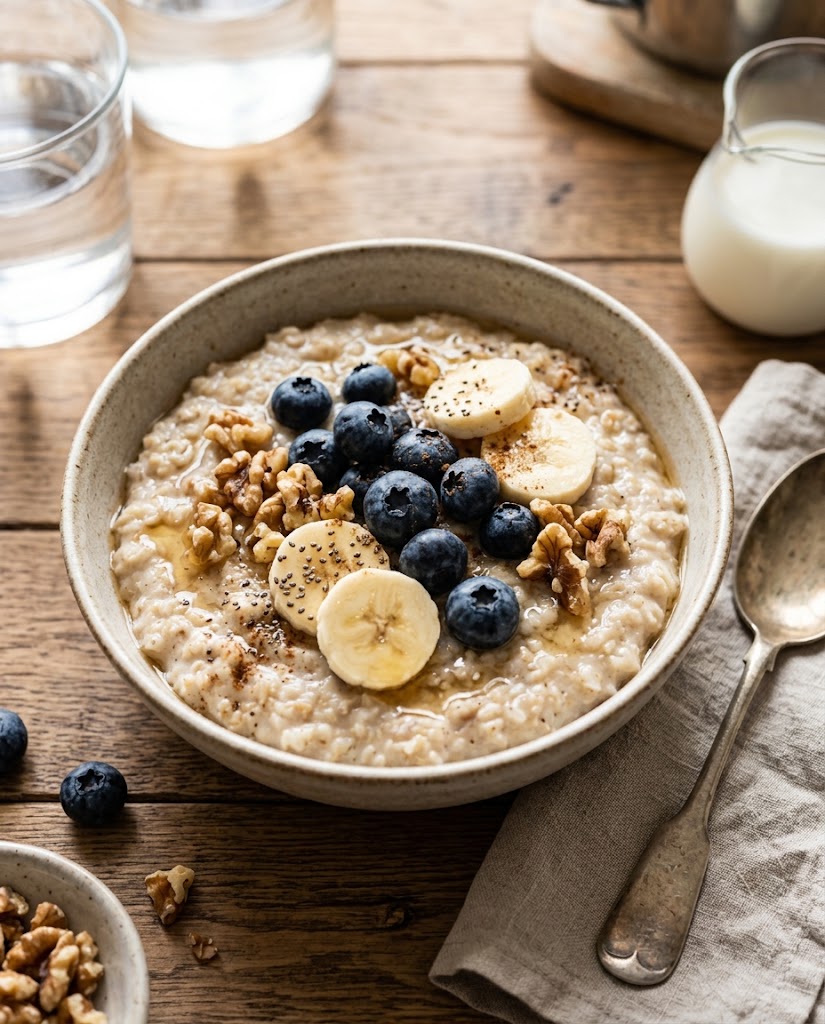
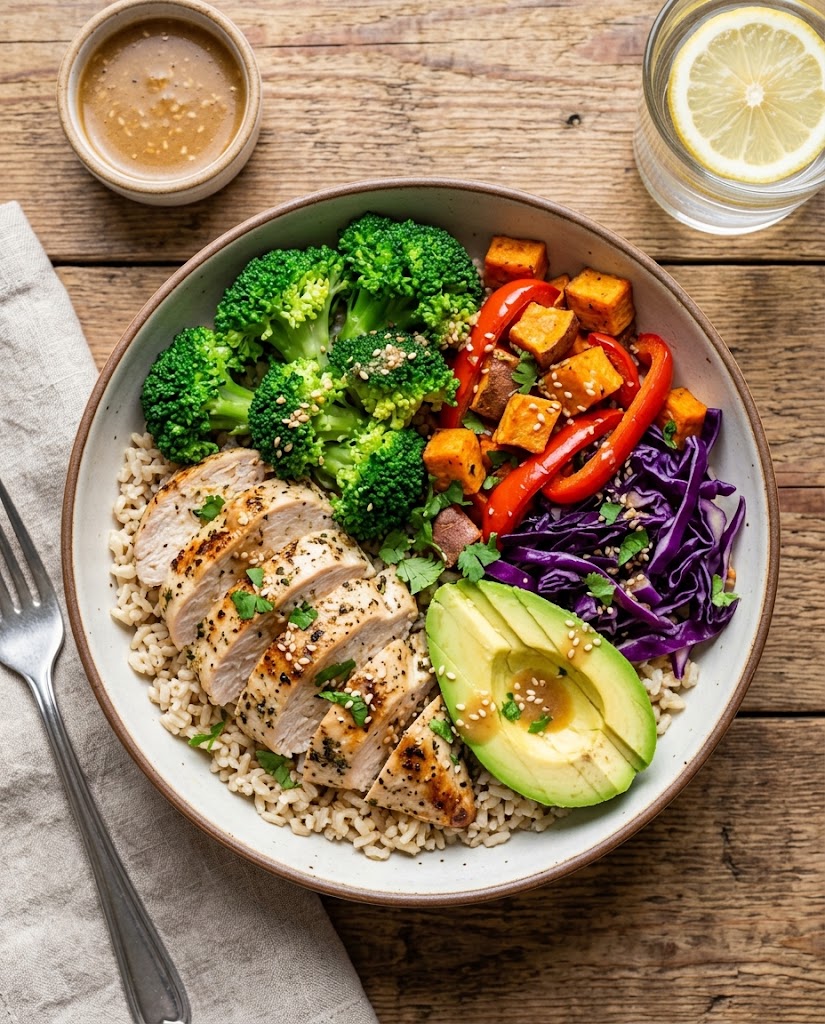
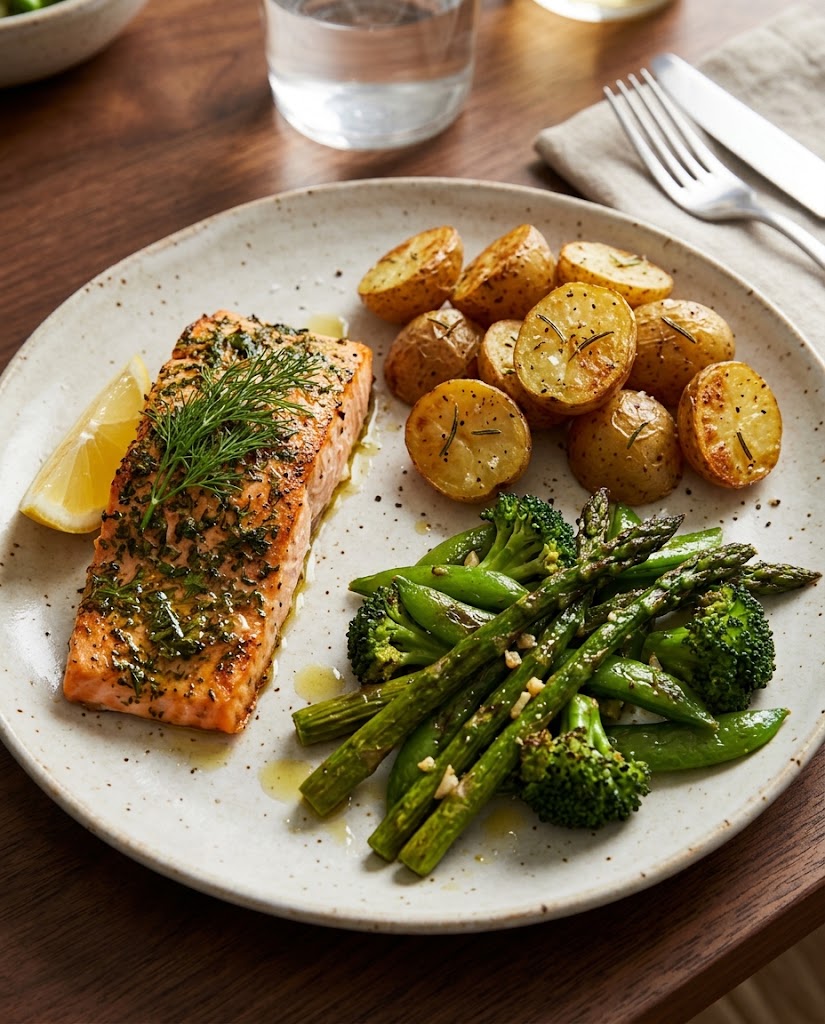
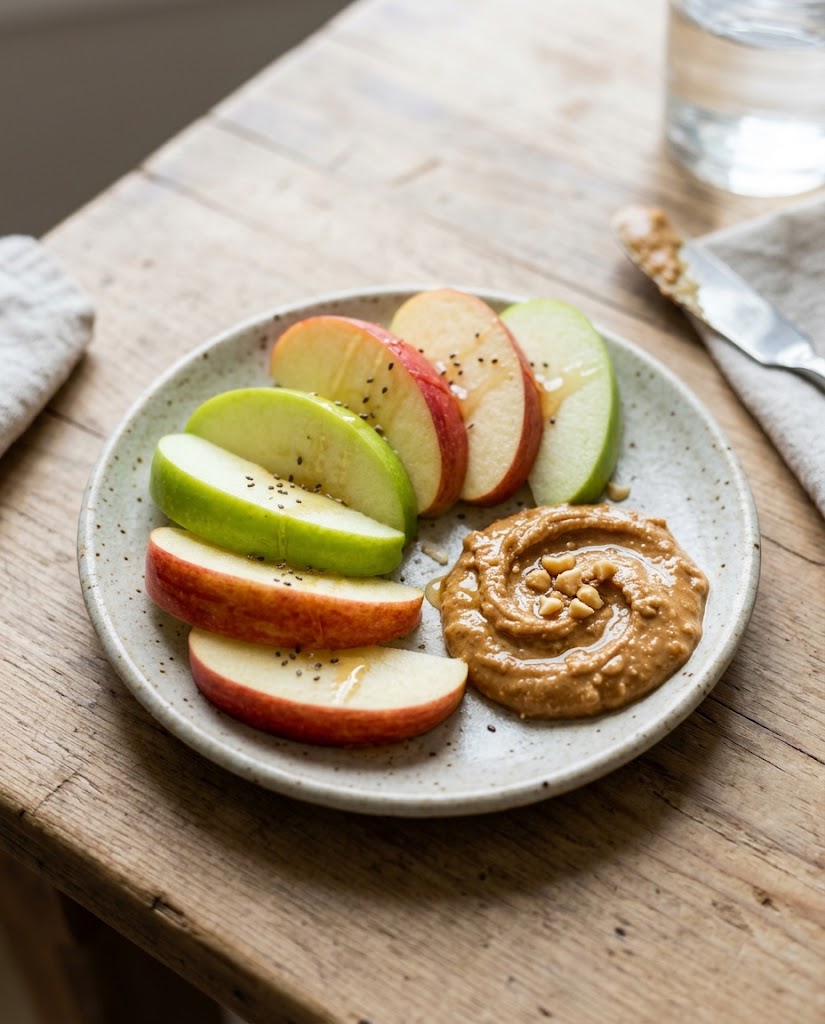
These are an example, not a required menu. You can change the foods, quantities, and timing according to your appetite, budget, and preferences.
The most useful meal plan is one that you can adapt to your actual life.
Common Balanced-Eating Mistakes to Avoid
Even well-intentioned nutrition goals can become unnecessarily complicated when they are based on perfection.
Trying to change everything overnight. Replacing your entire grocery list and cooking routine at once can be overwhelming. Start with one or two changes, such as adding vegetables to lunch or including a protein source at breakfast.
Focusing on protein while ignoring variety. Protein matters, but vegetables, fruit, fiber-rich carbohydrates, and healthy fats also contribute to a nourishing diet.
Assuming healthy food must be expensive. Beans, lentils, oats, eggs, frozen vegetables, canned fish, and seasonal produce can provide practical options. Compare prices and choose foods you will actually use.
Treating carbohydrates or fats as automatically unhealthy. Food quality, overall eating patterns, and individual needs matter more than labeling entire nutrient groups as good or bad.
Following meal portions that do not match your needs. A visual plate guide is a starting point, not a rule that requires everyone to eat the same amount. Hunger, activity, health, and other factors influence appropriate portions.
Expecting every meal to be perfectly balanced. Some meals will be more varied than others. What matters is the overall pattern over time, not achieving an ideal plate at every sitting.
A flexible approach can make healthy eating feel less like a constant test and more like a useful daily habit.
Meal Preparation Makes Balance Easier
Planning ahead can help turn nutrition goals into practical routines.
You do not need to prepare every meal for the entire week. Even a few small preparations can make balanced choices more convenient.
Cook a batch of rice or another grain, wash and chop vegetables, prepare a pot of beans or soup, or keep convenient protein options available. Store ingredients separately so you can combine them in different ways.
For example, cooked rice, roasted vegetables, and beans can become a grain bowl one day and a filling for wraps the next. Eggs, frozen vegetables, and whole-grain toast can form a quick dinner when time is limited.
A flexible system is often more useful than preparing seven identical meals.
It also helps to keep a few reliable backup options available. Frozen vegetables, canned beans, canned fish, and shelf-stable grains can support a balanced meal when fresh groceries run low.
Food safety matters when preparing meals ahead. Refrigerate perishable foods promptly, use appropriate storage containers, and follow recommended storage times for cooked leftovers.
Preparation should reduce stress, not create another complicated task.
Nutrition Should Fit Your Life, Not the Other Way Around
Balanced eating looks different for different people.
A physically active person may need more energy than someone with a less active routine. Cultural food traditions, budget, food availability, allergies, preferences, and medical circumstances can all shape what works best.
There is no single plate that perfectly represents every person’s needs.
Some people benefit from professional nutrition guidance, particularly when managing a medical condition or navigating a prescribed diet. Others can begin with general principles and gradually develop routines that make sense for their circumstances.
The important thing is to avoid assuming that a popular online eating plan is automatically appropriate for everyone.
Nutrition advice should help people make informed choices, not create fear around ordinary foods. A meal does not become unhealthy simply because it contains bread, rice, cheese, or dessert. Likewise, a meal is not automatically balanced because it is marketed as high-protein, low-carb, natural, or clean.
Look at the bigger picture.
Are you getting a range of nutrients? Are you eating enough to meet your needs? Do you enjoy your meals? Can you maintain your routine without excessive stress?
Those questions offer a more practical foundation for long-term wellness.
The Balanced Plate Reset Starts With One Meal
A healthier relationship with food does not require chasing every new diet trend or replacing your favorite meals with complicated recipes.
It can begin with adding fruit to breakfast, including beans in a grain bowl, choosing vegetables you genuinely enjoy, or making sure dinner includes a satisfying combination of protein and carbohydrates.
These small decisions become more useful when they are repeated in ways that fit your life.
The balanced plate approach provides a simple framework: include a variety of foods, make room for vegetables and fruit, choose suitable protein sources, enjoy fiber-rich carbohydrates, and incorporate healthy fats.
Adjust the combination to your preferences and needs. Use affordable ingredients, keep convenient options available, and allow flexibility for busy days and favorite foods.
Healthy eating is not about constructing the perfect plate every single time.
It is about building a pattern of nourishment that works over time.
Because the most effective nutrition reset is not the strictest one.
It is the one that helps you eat well, feel satisfied, and keep going.
References
- Harvard T.H. Chan School of Public Health — Healthy Eating Plate: https://nutritionsource.hsph.harvard.edu/healthy-eating-plate/
- USDA MyPlate — Make Every Bite Count: https://www.myplate.gov/
- National Institutes of Health — Office of Dietary Supplements: https://ods.od.nih.gov/
- Centers for Disease Control and Prevention — Healthy Eating for a Healthy Weight: https://www.cdc.gov/healthy-weight-growth/healthy-eating/index.html
- Academy of Nutrition and Dietetics — Food and Nutrition Information: https://www.eatright.org/
Leave a Reply