
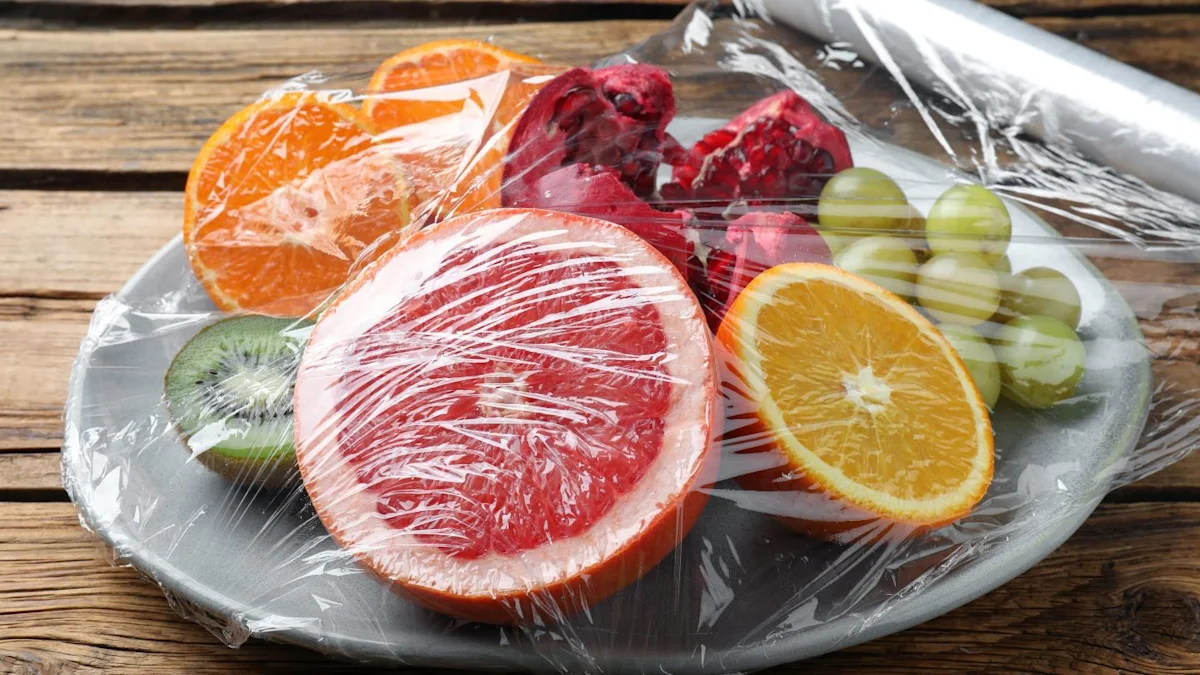
Plastic food packaging has become such a familiar part of everyday life that most consumers rarely think about the chemicals used to make it flexible, durable, and convenient. From cling film and food containers to plastic bottles and children’s products, these materials are part of modern households. However, a new study has raised concerns about a chemical promoted as a safer alternative to older plastic additives, suggesting that exposure during pregnancy may be associated with smaller newborns and differences in fetal growth.
The chemical, known as DINCH, was introduced as an alternative to certain phthalates, a group of plastic-softening chemicals that have attracted attention because of their potential effects on reproductive and developmental health. Manufacturers increasingly turned to alternatives such as DINCH as concerns and restrictions surrounding some traditional phthalates grew. But new research led by scientists at NYU Langone Health suggests that replacing one chemical with another does not automatically eliminate potential health risks.
Published in the journal Environment International, the study examined more than 6,600 pregnancies in the United States and found an association between higher prenatal exposure to DINCH and lower birth weight. The findings are raising important questions about chemical safety, food packaging regulations, and how much consumers should know about substances that come into contact with their food.
Although the research does not prove that DINCH directly causes lower birth weight, it adds to a growing discussion about the potential effects of everyday chemical exposure during pregnancy.
What Is DINCH and Why Is It Used in Plastic Products?
DINCH is the common name for di(isononyl) cyclohexane-1,2-dicarboxylate, a chemical used as a plasticizer. Plasticizers are substances added to certain plastics to make them softer, more flexible, and easier to manufacture into useful products.
Without plasticizers, some plastic materials can become stiff or brittle. Adding these chemicals allows manufacturers to produce flexible packaging, films, coatings, and other consumer goods that can withstand regular handling.
DINCH became more widely used as manufacturers searched for alternatives to certain phthalates, including chemicals that faced increasing regulatory restrictions because of concerns about their possible health effects. It has been marketed as a safer alternative and is used in a variety of products, including soft plastic food packaging, cling film, children’s toys, medical devices, flooring, textiles, and other consumer items.
The concern raised by the new research is not that every product containing DINCH is automatically dangerous. Rather, scientists are questioning whether the chemical has been studied thoroughly enough to establish its safety under widespread, everyday exposure.
A substance can be introduced as a replacement for a chemical with known risks without having a complete record of long-term effects. As its use expands, more people may come into contact with it before researchers fully understand how it behaves in the human body.
What the New Study Found About Pregnancy and Birth Weight
The research team analyzed data from 6,617 pregnancies across 22 study sites participating in the National Institutes of Health’s Environmental Influences on Child Health Outcomes program, commonly known as ECHO.
Researchers measured three breakdown products of DINCH in urine samples collected during pregnancy. These measurements helped scientists estimate participants’ exposure to the chemical. They then compared the results with information about newborn birth weight, birth length, pregnancy duration, and infant size relative to gestational age.
The findings showed that higher levels of DINCH-related markers were associated with lower birth weight and birth length. One of the most notable results was that every tenfold increase in a particular DINCH metabolite was associated with an average reduction of approximately 27 grams in newborn birth weight.
The study also identified a greater likelihood of babies being classified as small for gestational age among mothers with higher DINCH exposure. This medical classification generally refers to newborns whose weight is below the 10th percentile for babies born at the same stage of pregnancy.
Researchers found measurable DINCH-related markers in approximately 50% to 70% of participants, suggesting that exposure was relatively common within the study population.
The findings also differed according to infant sex. Associations with shorter birth length were stronger among boys, while associations with being small for gestational age were stronger among girls. Exposure during the third trimester appeared to have a stronger association with reduced birth weight relative to gestational age than exposure earlier in pregnancy.
These results do not establish that DINCH is responsible for every difference observed in newborn size. However, they provide researchers with important evidence for further investigation into the possible relationship between newer plastic additives and fetal development.
Why Lower Birth Weight Can Matter for a Child’s Health
Birth weight is one of several measurements healthcare professionals use to assess a newborn’s health and development. Babies who are significantly smaller than expected for their gestational age may require additional monitoring because restricted fetal growth can sometimes indicate that development in the womb has been affected.
Low birth weight and being small for gestational age are related concepts, but they are not identical. Low birth weight describes a newborn weighing less than 2,500 grams at birth, regardless of how many weeks the pregnancy lasted. Small for gestational age compares a baby’s size with the expected range for the same stage of pregnancy.
Some babies who are small for gestational age are healthy, particularly when their size reflects family characteristics rather than a medical problem. However, restricted fetal growth can sometimes be associated with complications, including difficulties maintaining blood sugar levels, problems regulating body temperature, and challenges during the newborn period.
Researchers are also interested in the possible longer-term effects of impaired fetal growth. Previous studies have associated certain forms of poor fetal development with an increased risk of health concerns later in life, including metabolic and cardiovascular conditions.
The DINCH study adds to this concern because it suggests that exposure to a widely used plastic additive may be associated with differences in newborn size. It does not prove that children exposed to DINCH will develop heart disease, obesity, learning difficulties, or other conditions. More research is needed to determine whether the observed birth-size differences translate into measurable long-term health effects.
Nevertheless, understanding the factors that influence fetal development is important because pregnancy is a period of rapid growth when environmental exposures may deserve particular attention.
Could DINCH Interfere With Hormones During Pregnancy?
One possible explanation for the findings involves the way DINCH breaks down inside the body.
Previous laboratory research involving animal models and human cells has suggested that DINCH metabolites may interfere with hormonal systems involved in reproductive and fetal development. Hormones act as chemical messengers, helping regulate important processes such as growth, metabolism, reproductive function, and the development of organs.
During pregnancy, hormonal signals help coordinate the development of the placenta and the growing fetus. If chemicals interfere with these signals, scientists are concerned that normal developmental processes could be affected.
Researchers have also considered whether DINCH-related compounds may contribute to oxidative stress and inflammation. These processes can affect the body’s cells and tissues. In pregnancy, inflammation or changes in placental function could potentially influence how oxygen and nutrients reach the developing baby.
These mechanisms are possible explanations, not confirmed conclusions about what happened in every pregnancy included in the study. The researchers emphasized the need for additional investigation to understand how DINCH may affect fetal growth and whether other plasticizers produce similar effects.
The Problem of Replacing One Chemical With Another
One of the most important issues raised by the research is known as regrettable substitution.
This term describes a situation in which a chemical associated with health or environmental concerns is replaced with another substance that later turns out to have similar or unexpected risks.
The process can create a cycle in which manufacturers move away from a chemical after concerns emerge, introduce an alternative, and only discover potential problems with the replacement after it has become widely used.
The history of certain phthalates illustrates why scientists are concerned. Some phthalates have faced restrictions because of evidence suggesting that they may interfere with hormone function and reproductive development. As manufacturers searched for substitutes, newer plasticizers such as DINCH gained popularity.
However, a replacement should not be considered completely safe simply because it is different from the chemical it replaces. Scientists need enough independent evidence to evaluate how a substance behaves in the body, how people are exposed to it, and whether it creates risks under realistic conditions of use.
The concern is especially important for substances used in food packaging and products intended for children. These materials can come into contact with food, beverages, or objects that people handle regularly.
The DINCH findings highlight the importance of evaluating replacement chemicals before they become widespread, rather than waiting until years of public exposure have passed.
How Plastic Chemicals Can Enter Food and the Human Body
Food packaging is designed to protect products, maintain freshness, and make transportation and storage easier. However, some chemicals used in packaging materials can migrate from the material into food under certain conditions.
This process is known as chemical migration. The amount that moves into food can depend on the type of plastic, the chemical involved, the food itself, temperature, and how long the food remains in contact with the packaging.
For example, heat and prolonged contact may increase the migration of certain substances from packaging materials. Fatty or acidic foods can also influence how some chemicals move from food-contact materials into the contents.
Once chemicals enter food, people may be exposed through ordinary eating and drinking habits. Exposure can also occur through other products, household dust, and contact with consumer materials.
DINCH is not used exclusively in food packaging. Its presence in different products means that researchers must consider several potential exposure sources rather than assuming that food packaging is the only contributor.
The detection of DINCH-related markers in pregnant participants demonstrates that exposure is occurring, but it does not identify exactly which products contributed to each person’s exposure. Determining the most important sources will require additional research.
Are Pregnant Women and Babies More Vulnerable?
Pregnancy is a particularly important period for studying environmental chemical exposure because a developing baby depends on the mother’s body for oxygen, nutrients, and many of the biological signals required for growth.
Some chemicals can cross the placenta or influence the environment in which fetal development takes place. This is why scientists pay close attention to substances that may affect hormone activity, reproductive health, or placental function.
However, it is important not to interpret the new study as evidence that pregnant women should panic about using ordinary household products. The research identifies an association between DINCH exposure and birth-size measurements. It does not establish a precise level at which exposure becomes harmful, nor does it demonstrate that every exposed pregnancy will experience complications.
The researchers also reported differences across population groups, including findings involving Hispanic mothers and mothers with lower levels of education. These observations raise questions about whether exposure patterns and health risks may be distributed unequally.
Socioeconomic circumstances can influence the products people can afford, the types of food packaging available to them, and their access to information about environmental exposures. Further research is needed to understand these differences and identify practical ways to reduce unnecessary exposure across communities.
Practical Ways to Reduce Exposure to Plastic Additives
Although consumers cannot eliminate all contact with plastics, some everyday choices may help reduce unnecessary exposure to chemicals used in packaging and household products.
One practical step is to use glass or stainless-steel containers for storing food when convenient. These materials can provide alternatives to some flexible plastic packaging, particularly for leftovers and food prepared at home.
Consumers can also avoid heating food in plastic containers unless the product is specifically designed and labeled for that purpose. Using glass or other suitable microwave-safe materials can be a straightforward alternative.
Another option is to reduce prolonged contact between hot food and plastic packaging. Transferring food to an appropriate container before reheating or serving it may help limit exposure to substances that can migrate under certain conditions.
When shopping, consumers may choose products packaged in glass, paper, or other suitable materials when practical. However, packaging alternatives should also be evaluated for food safety, environmental impact, and suitability for the specific product.
It is also important to avoid assuming that every product labeled BPA-free, phthalate-free, or non-toxic is automatically free of other chemicals that have not been adequately studied. A product may exclude one substance while containing a different replacement material.
Pregnant women who have concerns about chemical exposure can discuss them with their healthcare providers. There is no need to make extreme dietary changes or stop using essential medical products based on one observational study.
The goal is to make informed, manageable choices while researchers and regulators continue evaluating the safety of widely used plastic additives.
Why Stronger Chemical Safety Regulations Matter
The DINCH research has renewed calls for stronger oversight of chemicals used in food packaging and other consumer products.
One major concern is that the safety information available for newer chemicals may not always be sufficient to assess their effects over a person’s lifetime. If a substance is used in millions of products, even relatively small individual exposures can become a public-health question when large populations are involved.
Researchers argue that chemicals intended for widespread use should undergo thorough safety assessments before they become common in everyday products. This includes examining potential reproductive and developmental effects, as well as how substances behave when they are used repeatedly or in combination with other chemicals.
Regulators also face the challenge of evaluating chemicals that share similar structures or biological properties. Assessing substances individually may overlook risks associated with entire groups of chemicals.
Better transparency would help consumers, scientists, and public-health agencies understand which substances are used in food-contact materials and what evidence supports their safety.
The findings also contribute to wider discussions about international efforts to address plastic pollution and chemical safety. Reducing plastic waste is important, but policies addressing plastics also need to consider the chemicals used to manufacture and modify those materials.
What Happens Next in the Research Into DINCH?
The latest findings are an important step, but they are not the final word on DINCH safety.
The researchers have identified associations that deserve further examination. Future studies will need to investigate how DINCH affects fetal development, whether exposure at particular stages of pregnancy has different consequences, and how it compares with other plasticizers currently used as replacements for phthalates.
Researchers will also need to examine exposure from multiple sources and determine whether the observed associations remain consistent across different populations.
Because the study was observational, it cannot establish direct cause and effect. Other factors may contribute to differences in birth weight, even when researchers account for several important maternal and pregnancy characteristics.
Long-term follow-up will also be valuable. It could help determine whether differences in birth size associated with prenatal DINCH exposure have measurable consequences for children’s growth and development.
For now, the findings provide a reason to ask more questions about chemicals that are introduced as safer alternatives. They also reinforce the importance of independent scientific research and transparent safety standards.
The Bigger Picture: Is the Plastic We Use Every Day as Safe as We Think?
The new research into DINCH highlights an important issue that often goes unnoticed in everyday life: the safety of a product depends on more than what consumers can see.
Plastic packaging may look harmless, but the additives used to give it flexibility, durability, and other useful properties deserve careful scientific evaluation. A chemical marketed as a safer alternative should still be supported by strong evidence demonstrating that it is appropriate for widespread use.
For families, the findings are a reminder to make practical choices where possible, such as using suitable glass containers for food storage and avoiding unnecessary heating of food in plastic. These steps can help reduce certain exposures without creating unnecessary fear about everyday products.
For manufacturers and regulators, the study raises a broader responsibility. Chemical replacements should be investigated thoroughly before they become common in packaging, household products, and materials used by children and pregnant women.
Ultimately, the goal is not to eliminate every plastic product from modern life. It is to ensure that the materials people rely on are supported by reliable safety evidence. As researchers continue examining DINCH and other emerging plastic additives, consumers deserve clear information about the products they use and the potential effects of the chemicals they encounter every day.
References
- The Guardian – New ‘High Safety’ Chemicals in Plastic Food Packaging Linked to Lower Birth Weight, Study Finds — Tom Perkins, November 7, 2026.
- NYU Langone Health – Exposure to ‘Safer’ Plastic Additive During Pregnancy Linked to Smaller Birth Size — October 13, 2026.
- Environment International – Prenatal Exposure to DINCH and Adverse Birth Outcomes in the USA — Peer-reviewed research article, 2026.
- NIH ECHO Program – ECHO Study Links Prenatal Exposure to Phthalate Replacement with Differences in Fetal Growth — November 3, 2026.
- The Lancet – Health Policy: Plastics and Human Health — 2025.
Leave a Reply