
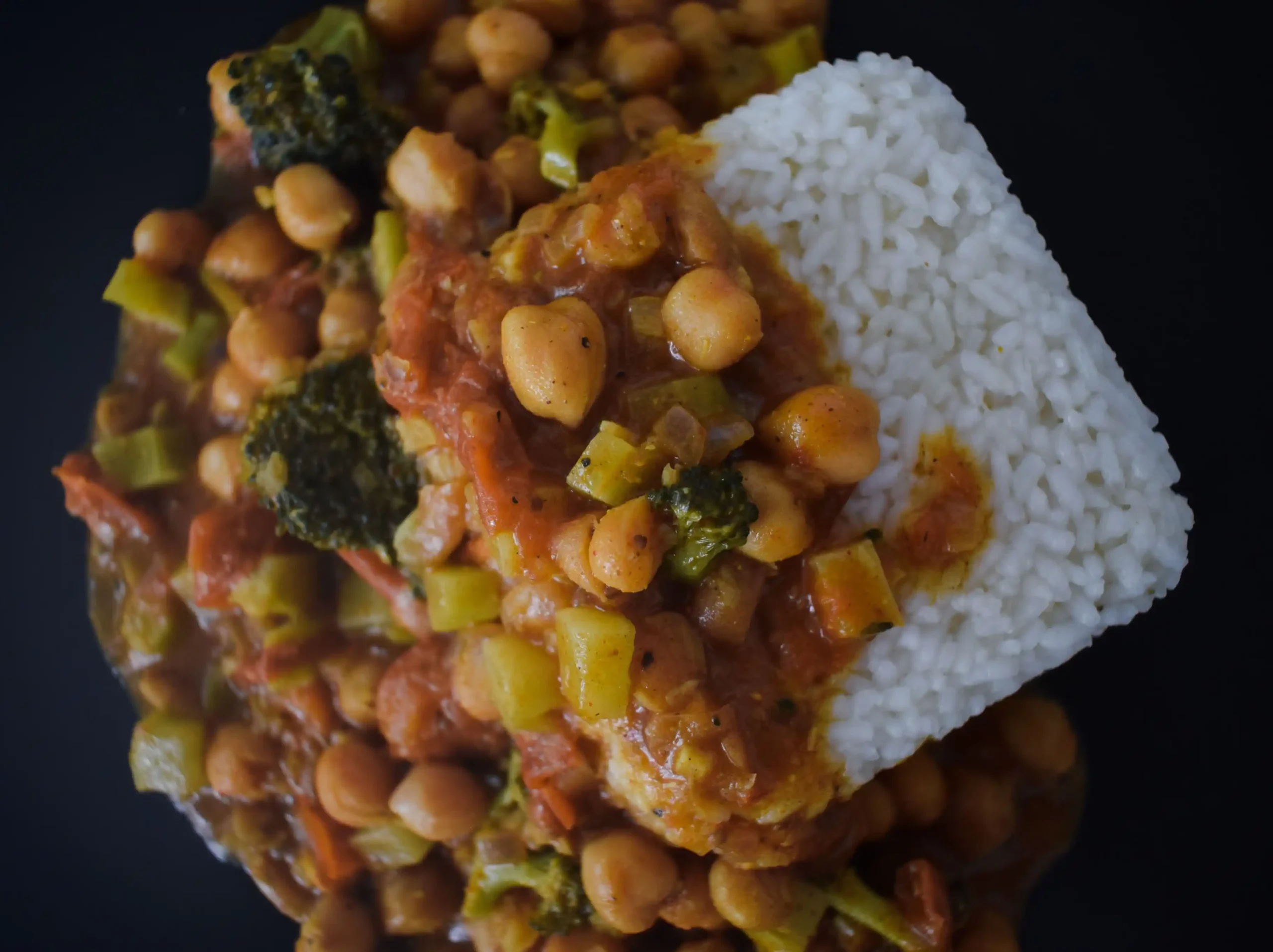
Plant-based eating has become increasingly popular among people looking for healthier food choices, more variety in their diets, and meals that make greater use of vegetables, legumes, fruits, nuts, and whole grains. From busy professionals and fitness enthusiasts to families trying new recipes, more people are discovering that plant-based meals can be both nutritious and satisfying. However, eating more plant-based food does not mean giving up delicious flavors or familiar comfort foods. With the right ingredients and seasonings, vegan meals can be rich, creamy, filling, and enjoyable for everyone at the dinner table.
One recipe that perfectly demonstrates the appeal of plant-based cooking is Creamy Vegan Coconut Chickpea Curry with Sweet Potatoes. This comforting dish combines tender chickpeas, naturally sweet potatoes, aromatic garlic, ginger, and warming spices in a creamy coconut milk sauce. The result is a flavorful curry that delivers a satisfying combination of plant-based protein, fiber, carbohydrates, and healthy fats.
Whether you already follow a vegan diet or simply want to include more meat-free meals in your weekly routine, this easy chickpea curry is a practical place to start. It uses accessible ingredients, requires straightforward cooking techniques, and can be prepared in approximately 40 minutes. It is also naturally dairy-free and can be served with rice, quinoa, or warm flatbread for a complete and satisfying meal.
Most importantly, this recipe shows that plant-based eating does not have to feel restrictive. It can be an opportunity to explore new flavors, discover affordable ingredients, and create meals that are nourishing and enjoyable.
Why Plant-Based Eating Is Becoming More Popular
Plant-based eating has gained attention as more people recognize the value of including a wider variety of plant foods in their everyday meals. Some people choose a fully vegan lifestyle, while others simply want to reduce their meat consumption and eat more vegetables, beans, lentils, fruits, and whole grains.
There are different reasons behind this shift. For some, it is about improving overall dietary quality. Others are interested in environmental considerations, animal welfare, or exploring new culinary traditions. Many households also appreciate that ingredients such as chickpeas, beans, and seasonal vegetables can be affordable pantry staples.
A well-planned plant-based diet can provide many essential nutrients. Vegetables and fruits supply vitamins, minerals, and antioxidants. Legumes such as chickpeas and lentils provide plant-based protein, iron, and fiber. Whole grains contribute carbohydrates and additional nutrients that support everyday energy needs.
Fiber is one particularly important component of plant-based eating. It supports digestive health, helps maintain regular bowel movements, and can contribute to feeling satisfied after meals. Chickpeas and sweet potatoes both provide dietary fiber, making them useful ingredients for a filling family dinner.
However, plant-based eating still requires variety and planning. People following fully vegan diets need reliable sources of vitamin B12, which is not naturally present in adequate amounts in most unfortified plant foods. Depending on food choices, attention may also be needed for iron, calcium, vitamin D, iodine, zinc, and omega-3 fatty acids.
The good news is that building flavorful plant-based meals does not require complicated ingredients. A combination of legumes, vegetables, grains, herbs, spices, and plant-based fats can create meals that are both enjoyable and nutritionally balanced.
Why You Will Love This Creamy Vegan Coconut Chickpea Curry
This coconut chickpea curry brings together several ingredients that work naturally well together.
Chickpeas provide a hearty texture and plant-based protein. They absorb the flavors of the curry sauce while remaining firm enough to create a satisfying bite. Sweet potatoes contribute natural sweetness and a soft, tender texture that balances the savory spices.
Coconut milk creates the creamy base. It gives the curry a rich consistency without using dairy products, making the recipe suitable for people avoiding milk, cream, or butter.
Garlic and ginger provide aromatic flavor, while curry powder, turmeric, cumin, and paprika add warmth and depth. Diced tomatoes contribute a slightly tangy taste that balances the richness of the coconut milk.
Another advantage is flexibility. You can adjust the spice level, add leafy greens, substitute vegetables, or serve the curry with different grains. It is also a convenient meal prep option because the flavors develop as the curry rests.
Creamy Vegan Coconut Chickpea Curry With Sweet Potatoes Recipe
Preparation time: 10 minutes
Cooking time: 30 minutes
Total time: Approximately 40 minutes
Servings: 4 to 5
Difficulty: Easy
Dietary information: Vegan, dairy-free, and plant-based
Ingredients
For the curry:
- 2 cans chickpeas, approximately 15 ounces (425 grams) each, drained and rinsed
- 2 medium sweet potatoes, peeled and cut into bite-sized cubes
- 1 tablespoon olive oil or coconut oil
- 1 medium onion, finely chopped
- 3 cloves garlic, minced
- 1 tablespoon fresh ginger, grated
- 1 can coconut milk, approximately 13.5 ounces (400 milliliters)
- 1 can diced tomatoes, approximately 14.5 ounces (411 grams)
- 1 cup vegetable broth
- 2 tablespoons curry powder
- 1 teaspoon ground turmeric
- 1 teaspoon ground cumin
- 1/2 teaspoon paprika
- 1/4 teaspoon chili flakes, optional
- 1/2 teaspoon black pepper
- Salt to taste
- 1 tablespoon fresh lime juice
For additional vegetables:
- 2 cups fresh spinach
- 1/2 cup chopped red bell pepper, optional
For serving:
- 3 cups cooked brown rice or basmati rice
- Fresh cilantro, chopped
- Lime wedges
- Optional unsweetened coconut yogurt
Step 1: Prepare the Ingredients
Begin by preparing all the ingredients before turning on the stove. Peel the sweet potatoes and cut them into evenly sized cubes. This helps them cook at a similar rate and become tender without falling apart.
Finely chop the onion, mince the garlic, and grate the fresh ginger. Drain and rinse the canned chickpeas under cool running water.
Rinsing chickpeas removes some of the excess liquid and helps give them a cleaner taste. If you prefer using dried chickpeas, cook them thoroughly before adding them to the curry. Dried chickpeas require soaking and a longer cooking process, so canned chickpeas are especially convenient for busy weeknight meals.
Measure the spices and set them aside. Preparing everything in advance makes the cooking process smoother and reduces the chance of overcooking the aromatics.
Step 2: Sauté the Onion, Garlic, and Ginger
Heat the olive oil or coconut oil in a large pot or deep skillet over medium heat.
Add the chopped onion and cook for approximately three to four minutes, stirring occasionally, until it becomes soft and slightly translucent.
Add the minced garlic and grated ginger. Continue cooking for about 30 to 60 seconds until fragrant.
Be careful not to burn the garlic because it can create a bitter flavor. Keeping the heat moderate allows the aromatics to release their flavor without becoming too dark.
This step forms the foundation of the curry. Onion provides sweetness, while garlic and ginger create the warm, savory aroma commonly associated with many curry dishes.
Step 3: Add the Curry Spices
Add the curry powder, turmeric, cumin, paprika, black pepper, and optional chili flakes to the pot.
Stir continuously for approximately 30 seconds to one minute, allowing the spices to combine with the oil and aromatics.
Cooking the spices briefly helps release their fragrance and deepen the flavor of the curry. Turmeric provides an earthy note, cumin adds warmth, and paprika contributes a mild sweetness.
If you prefer a milder family-friendly curry, leave out the chili flakes. You can always add extra heat to individual portions when serving.
Step 4: Add the Sweet Potatoes and Tomatoes
Add the sweet potato cubes and diced tomatoes to the pot. Stir until the sweet potatoes are coated with the aromatic spice mixture.
Pour in the vegetable broth and bring the mixture to a gentle simmer.
Cover the pot and cook for approximately 10 to 12 minutes, stirring occasionally. The sweet potatoes should begin to soften but should not become completely mushy.
Cooking them in the tomato and broth mixture allows the vegetables to absorb the spices while developing a flavorful base for the coconut sauce.
If the liquid becomes too low before the sweet potatoes are tender, add a small amount of vegetable broth or water.
Step 5: Add Chickpeas and Coconut Milk
Once the sweet potatoes have started to soften, add the drained chickpeas and coconut milk.
Stir gently until all the ingredients are combined. Bring the curry back to a gentle simmer and cook uncovered for another 10 to 12 minutes.
The coconut milk creates a creamy texture, while the chickpeas absorb the surrounding flavors. As the curry simmers, the sauce will gradually thicken.
Avoid boiling it aggressively. A gentle simmer helps maintain a smooth consistency and allows the sweet potatoes to finish cooking without breaking apart.
Taste the curry and add salt as needed. The amount will depend on the vegetable broth, canned tomatoes, and personal preference.
Step 6: Add Spinach and Finish the Curry
Once the sweet potatoes are fork-tender, stir in the fresh spinach.
Allow it to wilt into the curry for approximately one to two minutes. The spinach adds color, texture, and nutrients without requiring a separate cooking process.
If you are using red bell pepper, you can add it earlier with the sweet potatoes for a softer texture or near the end if you prefer it slightly crisp.
Remove the pot from the heat and stir in the fresh lime juice. The acidity brightens the flavor and balances the richness of the coconut milk.
Taste one final time and adjust the seasoning. Add more curry powder for a stronger flavor, a little black pepper for warmth, or additional lime juice for freshness.
Step 7: Serve and Enjoy
Spoon the creamy coconut chickpea curry into bowls and serve with cooked brown rice or basmati rice.
Finish with freshly chopped cilantro and a lime wedge. For additional creaminess, add a small spoonful of unsweetened coconut yogurt.
The curry should have a thick, creamy sauce, tender sweet potatoes, and chickpeas that remain whole while absorbing the spices.
Serve immediately while warm. It is also delicious when prepared ahead of time because the flavors continue to develop as the ingredients rest.
The Nutritional Benefits of Chickpeas and Sweet Potatoes
One of the reasons this recipe works so well as a plant-based dinner is the combination of chickpeas and sweet potatoes. These ingredients contribute different nutrients and textures, creating a balanced foundation for the meal.
Chickpeas Provide Plant-Based Protein and Fiber
Chickpeas, also known as garbanzo beans, are a versatile legume used in many cuisines. They are a source of plant-based protein, dietary fiber, iron, folate, and other important nutrients.
Protein helps support muscle maintenance and repair. This makes chickpeas useful in meals for people who exercise regularly or want to include more plant-based protein sources in their diets.
Their fiber content also supports digestive health and helps meals feel more satisfying. Including legumes regularly can be an effective way to increase fiber intake, particularly for people transitioning toward a more plant-focused eating pattern.
Chickpeas are also convenient. Canned varieties are widely available, affordable, and easy to prepare, making them practical for families and busy professionals.
Sweet Potatoes Supply Fiber and Important Vitamins
Sweet potatoes provide natural sweetness, carbohydrates, fiber, and beta-carotene, which the body can convert into vitamin A.
Vitamin A supports normal vision, immune function, and healthy skin. The orange color of sweet potatoes comes partly from their beta-carotene content.
They also contribute potassium and other nutrients that support normal body functions.
In this curry, sweet potatoes provide a satisfying texture and help balance the savory spices. Their natural sweetness also reduces the need for additional sweeteners.
Coconut Milk Creates a Dairy-Free Creamy Texture
Coconut milk is a popular ingredient in plant-based cooking because it creates a rich consistency without dairy products.
It contains fat, including saturated fat, which contributes to its creamy texture and flavor. Because coconut milk can be relatively high in saturated fat, people who are monitoring their intake may prefer using light coconut milk or replacing part of it with additional vegetable broth.
The recipe can be adjusted according to dietary preferences without losing its main flavor profile.
Spinach Adds More Nutritional Variety
Spinach is a leafy green vegetable that contributes vitamin K, folate, vitamin A, and other nutrients.
Adding spinach to chickpea curry is an easy way to include more vegetables in a family meal. Its mild flavor blends naturally with coconut milk and spices, making it suitable for people who may not enjoy eating leafy greens on their own.
You can also substitute kale or Swiss chard, although these greens may require slightly longer cooking times.
Easy Ways to Customize Your Vegan Chickpea Curry
One of the best things about plant-based cooking is how easily recipes can be adapted. You do not have to follow the same ingredient combination every time.
Make It Spicier
If you enjoy spicy food, add extra chili flakes, fresh chopped chili, or a small amount of cayenne pepper.
You can also add chili paste to the curry base while cooking the aromatics. Start with a small amount and adjust gradually so the heat does not overpower the coconut and sweet potato flavors.
Add More Vegetables
This recipe works well with a variety of vegetables. Cauliflower, zucchini, green beans, carrots, mushrooms, and bell peppers can all be added to the curry.
For vegetables that require longer cooking times, add them with the sweet potatoes. More delicate ingredients, such as spinach, should be added near the end.
Using different vegetables is also a useful way to reduce food waste. Leftover vegetables in the refrigerator can often be incorporated into a curry without significantly changing the overall recipe.
Increase the Protein Content
Chickpeas already provide plant-based protein, but you can add more protein by including edamame, lentils, or cubed tofu.
Firm tofu works particularly well because it holds its shape during cooking and absorbs the curry sauce. If using lentils, adjust the cooking liquid and cooking time depending on the variety.
For people following a fully vegan diet, using a combination of legumes, soy foods, nuts, and seeds throughout the day can help provide a variety of protein sources.
Make the Curry Lighter
If you prefer a less rich curry, use light coconut milk or combine regular coconut milk with vegetable broth.
You can also increase the vegetable portion and serve the curry with cauliflower rice or a smaller portion of brown rice.
These adjustments change the overall nutritional profile while keeping the dish flavorful.
Try Different Serving Options
Brown rice and basmati rice are classic choices, but quinoa, millet, and whole-wheat flatbread also pair well with chickpea curry.
For a lower-carbohydrate alternative, serve it with cauliflower rice or steamed vegetables.
The choice depends on your preferences, appetite, and overall dietary goals.
Meal Prep and Storage Tips
Creamy vegan coconut chickpea curry is an excellent option for meal prep because it can be cooked in one pot and divided into individual portions.
To save time, prepare the vegetables before cooking. Peel and cube the sweet potatoes, chop the onion, and measure the spices. Store the prepared ingredients in separate airtight containers in the refrigerator until you are ready to cook.
You can also make the curry ahead of time and portion it with rice into meal prep containers.
Allow cooked food to cool slightly, divide it into shallow containers, and refrigerate within two hours. Keep the refrigerator at 40°F (4°C) or below.
For best quality, consume refrigerated curry within three to four days. When reheating, add a small splash of water or vegetable broth if the sauce has thickened. Heat thoroughly until the entire portion reaches 165°F (74°C).
If you want to prepare meals for longer than a few days, freeze individual portions in freezer-safe containers. The curry generally freezes well, although the sweet potatoes may become softer after thawing.
For convenient lunches, store rice and curry separately if you prefer to control portions or maintain different textures. Reheat thoroughly before serving.
Common Mistakes to Avoid When Making Vegan Curry
One common mistake is adding all the ingredients to the pot at once. Sautéing the onion, garlic, ginger, and spices first helps build a more developed flavor.
Another mistake is cutting the sweet potatoes into uneven pieces. Smaller cubes cook more quickly, while larger pieces take longer. Keeping the pieces similar in size helps everything cook evenly.
Using too much liquid can also create a thin curry. Start with the recommended amount of broth and allow the sauce to simmer gently. If it is still too thin, cook uncovered for a few additional minutes.
Avoid boiling coconut milk too aggressively. Gentle heat helps maintain a smooth sauce and prevents unnecessary separation.
Finally, do not add spinach too early. Leafy greens wilt quickly, so adding them near the end helps preserve their color and texture.
Frequently Asked Questions
Is coconut chickpea curry completely vegan?
Yes. This recipe uses chickpeas, sweet potatoes, vegetables, coconut milk, vegetable broth, and plant-based seasonings. Check the labels on packaged broth and curry powder to ensure they do not contain animal-derived ingredients.
Can I use dried chickpeas instead of canned chickpeas?
Yes. Dried chickpeas can be used, but they must be soaked and cooked thoroughly before being added to the curry. Canned chickpeas are a convenient alternative when you want to reduce preparation time.
Can I make this curry without coconut milk?
Yes. You can substitute unsweetened soy milk, oat milk, or another plant-based cooking alternative. However, the texture and flavor will differ. For a thicker sauce, you can blend a small portion of the cooked chickpeas with vegetable broth and stir it back into the curry.
Is vegan chickpea curry good for meal prep?
Yes. It can be prepared in advance, divided into portions, and refrigerated for three to four days. It can also be frozen for longer storage. Reheat thoroughly before eating.
What can I serve with chickpea curry?
Brown rice, basmati rice, quinoa, whole-wheat flatbread, or cauliflower rice are all suitable options. A fresh cucumber salad or steamed vegetables can also complement the warm spices.
Is chickpea curry high in protein?
Chickpeas provide plant-based protein, making this curry a useful protein-containing meal. The exact amount per serving depends on the chickpea quantity, coconut milk, and portion sizes. For a higher-protein version, add tofu, edamame, or lentils.
Can children enjoy this vegan curry?
Yes. The recipe can be made mild by leaving out chili flakes and using a gentle curry powder. Cutting the sweet potatoes into small, soft pieces and serving the curry with familiar rice can also make it more approachable for children.
Bring More Flavor and Variety to Plant-Based Eating
Plant-based cooking is not about sacrificing flavor or giving up satisfying meals. It is about discovering how vegetables, legumes, grains, herbs, spices, and plant-based ingredients can work together to create delicious food.
Creamy Vegan Coconut Chickpea Curry with Sweet Potatoes is a great example of how simple ingredients can become a comforting family dinner. Chickpeas provide protein and fiber, sweet potatoes contribute natural sweetness and important nutrients, and coconut milk creates a rich dairy-free sauce. Garlic, ginger, and curry spices bring everything together into a dish that feels hearty and satisfying.
For people who are new to vegan cooking, this recipe offers an easy introduction to plant-based meals. For experienced home cooks, it provides a flexible foundation that can be adapted with different vegetables, grains, and protein sources.
The growing interest in plant-based eating shows that more people are exploring ways to make vegetables and legumes a regular part of their meals. You do not have to change your entire diet overnight. Starting with one or two flavorful meat-free dinners each week can be a manageable way to discover new foods and cooking techniques.
With recipes like this creamy coconut chickpea curry, healthy eating can be colorful, affordable, convenient, and full of flavor. The best plant-based meals are the ones that make people want to come back for another serving.
Leave a Reply