
Eating isn’t just about satisfying hunger—it’s about fueling your body for energy, focus, and optimal performance. The right foods can sustain your energy, keep your brain sharp, and help you power through workouts or a busy workday. Conversely, poor food choices can lead to energy crashes, fatigue, and decreased productivity. Understanding which foods act as fuel and how to use them is essential for maintaining long-lasting energy throughout the day.
In this article, we’ll explore the science behind food as fuel, highlight the best energy-boosting foods, provide tips for meal planning, and give practical ways to include these foods in your daily routine.
Understanding Energy: How Food Becomes Fuel
Every bite of food you eat is broken down into nutrients your body can use for energy. The body primarily relies on carbohydrates, proteins, and fats to generate fuel.
- Carbohydrates: The body’s main energy source, especially for the brain and muscles. Complex carbohydrates release glucose slowly, providing sustained energy instead of quick spikes and crashes.
- Proteins: While not the primary energy source, proteins help repair muscles and tissues, making them crucial for active individuals.
- Fats: Healthy fats supply long-lasting energy and support hormone production and cell health.
Eating a balanced combination of macronutrients ensures your body can maintain consistent energy levels and function optimally throughout the day (Texas Retirement System, 2023).
Why Some Foods Are Better Fuel Than Others
Not all calories are created equal. Foods high in refined sugars or processed ingredients may provide a quick surge of energy, but this is often followed by a crash. Nutrient-rich foods, especially those high in complex carbohydrates, fiber, and protein, release energy more steadily, supporting focus and performance.
Complex carbohydrates, such as whole grains, legumes, and vegetables, are digested slowly, preventing spikes in blood sugar and helping maintain sustained energy levels throughout the day (EatingWell, 2023).
Top Foods That Act as Fuel
Here are some of the best foods that provide long-lasting energy and mental clarity:
1. Oats — Steady Morning Fuel
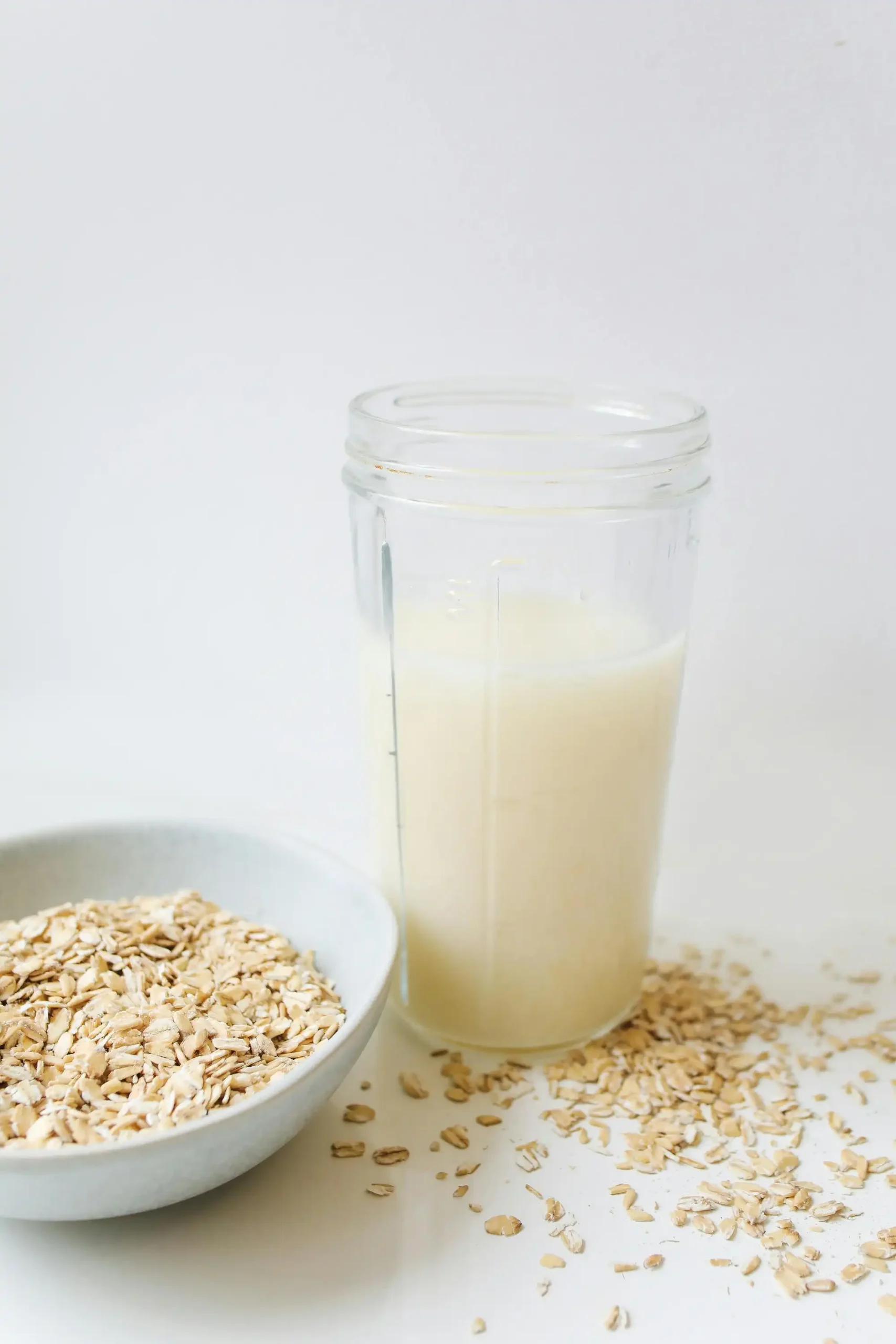
Oats are a superfood for sustained energy. Rich in complex carbohydrates and soluble fiber, oats release glucose slowly into the bloodstream, keeping you energized for hours. They also contain B vitamins, iron, and manganese, all nutrients involved in converting food into usable energy (NewsHealthWatch, 2023).
How to Use:
- Prepare oatmeal with fresh berries, nuts, or seeds.
- Make overnight oats with yogurt or plant-based milk.
- Incorporate oats into smoothies or homemade energy bars.
Oats are a go-to breakfast food because they help maintain concentration and performance in the morning (Cocoon Hospital, 2023).
2. Bananas — Portable Energy Boost
Bananas provide quick yet steady energy due to natural sugars (glucose, fructose, sucrose) paired with fiber. They also contain potassium, which supports muscle and nerve function, making them ideal for pre-workout fuel.
How to Use:
- Eat a banana before exercise or as a morning snack.
- Slice into cereal or oatmeal for a natural energy boost.
- Blend into smoothies for a convenient, nutritious drink.
Bananas are widely recommended as an energy-boosting fruit for both athletic and daily energy needs (EatingWell, 2023).
3. Eggs — Protein for Endurance
Eggs provide high-quality protein, B vitamins, and choline, all essential for energy metabolism and brain function. Protein slows digestion, allowing for longer-lasting energy and improved satiety.
How to Use:
- Boil or scramble eggs for a high-energy breakfast.
- Add to salads, grain bowls, or sandwiches.
- Pair with whole grains for a balanced meal.
Eggs are an excellent option for those seeking sustained energy without sugar crashes (TRS, 2023).
4. Legumes — Steady Fuel & Fiber
Beans, lentils, and chickpeas combine complex carbs, protein, fiber, and minerals, supporting long-term energy and preventing blood sugar spikes. Fiber slows digestion while the protein content maintains energy for hours.
How to Use:
- Add beans to salads or soups.
- Make lentil stews or chickpea curries.
- Incorporate hummus or bean dips into meals.
Legumes are particularly beneficial for plant-based diets, providing consistent energy without processed carbs (Economic Times, 2023).
5. Nuts and Seeds — Healthy Fats & Protein
Almonds, walnuts, chia seeds, and flaxseeds are rich in healthy fats, protein, and fiber. These slow-burning nutrients provide sustained energy, curb hunger, and stabilize blood sugar.
How to Use:
- Snack on a handful between meals.
- Sprinkle over oatmeal, yogurt, or salads.
- Blend into smoothies for added texture and energy.
Nuts and seeds help prevent energy slumps, making them excellent snacks for busy days (Cocoon Hospital, 2023).
6. Fruits — Quick & Gentle Fuel
Fruits like apples, oranges, and berries provide natural sugars and fiber, giving fast yet steady energy. Fiber slows sugar absorption, preventing spikes and crashes.
How to Use:
- Pack fruits for snacks during work or school.
- Add to yogurt, oatmeal, or smoothies.
- Pair with nut butter or seeds for balanced fuel.
Whole fruits are more effective than fruit juices due to intact fiber, which prolongs energy release (EatingWell, 2023).
7. Whole Grains — Long-Lasting Carbohydrate Fuel
Brown rice, quinoa, whole wheat pasta, and other whole grains are rich in complex carbohydrates and fiber, providing energy that lasts. They also contain vitamins and minerals critical for energy metabolism.
How to Use:
- Replace white rice with brown rice.
- Use quinoa as a base for salads or grain bowls.
- Choose whole-grain bread for sandwiches.
Whole grains are a foundational food for sustained daily energy (Economic Times, 2023).
Tips for Eating Food as Fuel All Day
- Balance Macronutrients: Include carbs, protein, and healthy fats in each meal to support sustained energy.
- Avoid Empty Calories: Limit sugary drinks, candy, and highly processed snacks to prevent energy crashes.
- Stay Hydrated: Water is critical for converting food into usable energy. Dehydration can reduce performance and concentration.
- Time Your Fuel: Eat a balanced meal 2–3 hours before physical activity and a small snack 30–60 minutes prior to maintain energy.
Sample Daily Meal Plan for Optimal Fuel
| Meal | Example Foods | Benefit |
|---|---|---|
| Breakfast | Oatmeal with berries and almonds | Slow-release carbs + healthy fats |
| Snack | Banana | Quick, natural energy |
| Lunch | Quinoa salad with chickpeas and vegetables | Long-lasting energy + protein |
| Snack | Greek yogurt with chia seeds | Sustained energy + protein |
| Dinner | Brown rice with grilled salmon and steamed greens | Balanced meal with protein and complex carbs |
| Optional Snack | Handful of nuts | Healthy fats for evening fuel |
This plan balances energy, nutrients, and satiety, keeping blood sugar stable all day.
Conclusion
Treating food as fuel transforms the way you eat. Choosing nutrient-dense foods like oats, bananas, eggs, legumes, nuts, fruits, and whole grains helps maintain energy, focus, and performance. By eating smart, staying hydrated, and timing meals properly, you can sustain long-lasting energy without relying on processed foods or caffeine crashes.
Food is not just sustenance—it is the power source that keeps your body and mind performing at their best. Start incorporating these fuel foods into your daily routine and experience the difference in energy, mood, and overall wellness.
Citations
- The Economic Times (India) — “5 Foods to Be More Active That Fuel Energy and Recovery”
Link - The Economic Times (India) — “Oats and Other Whole Grains”
Link - Texas Retirement System (TRS) — “Food as Fuel: What to Eat for Energy and Well‑Being”
Link - Cocoon Hospital — “10 Foods That Will Boost Your Energy Naturally”
Link - NewsHealthWatch — “Top 10 Energy‑Boosting Foods”
Link - EatingWell (By Editors of EatingWell Magazine) — “Best Fruits for More Energy”
Link - EatingWell (By Editors of EatingWell Magazine) — “What Are Complex Carbohydrates?”
Link
Leave a Reply