
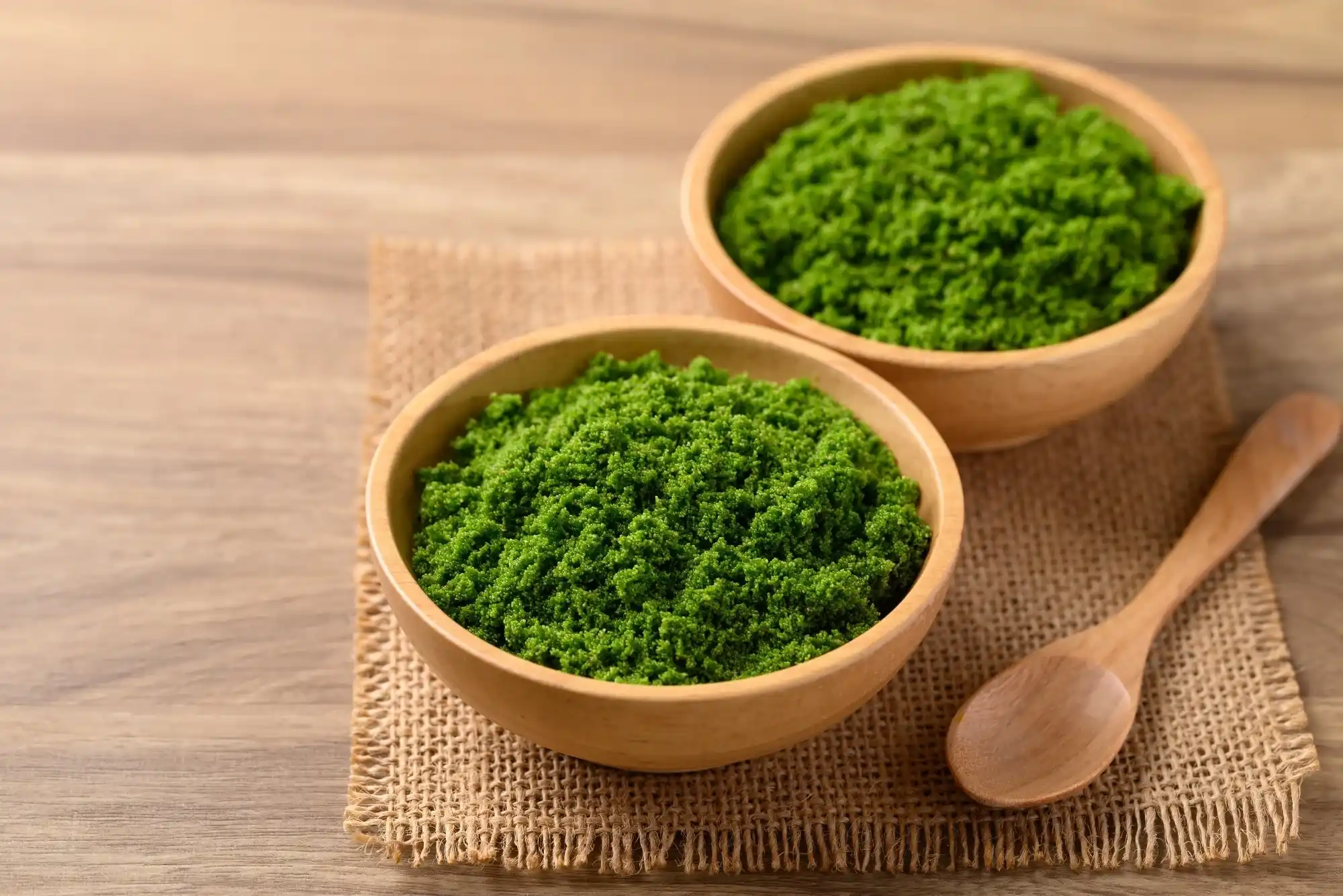
In the search for foods that support optimal nutrition and metabolic wellness, one plant is making headlines for its extraordinary nutrient profile and health‑supporting properties: Mankai (Wolffia globosa). Often overlooked because of its tiny size, Mankai is an aquatic plant — one of the smallest flowering plants on Earth — that is rapidly emerging as a functional food with potential benefits for weight management, blood sugar control, inflammation reduction, and overall metabolic health.
This article explores what Mankai is, why it’s gaining attention, its nutritional properties, how it may impact metabolic health, and how you might incorporate it into your diet.
What Is Mankai (Wolffia globosa)?
Mankai is the name commonly used for the aquatic plant species Wolffia globosa. It belongs to the duckweed family and has been consumed as a food source in some Southeast Asian cultures for generations. It looks like a tiny green leaf on the water’s surface but packs a powerful nutritional punch.
Unlike most leafy greens, Mankai:
- Is almost entirely edible
- Grows fast in aquatic environments
- Can be harvested sustainably
- Has a unique nutritional composition that is rare among plants
What sets it apart from other leafy greens is not just its nutrient density, but the presence of components like vitamin B12, complete protein, and plant bioactives with potential metabolic benefits.
Nutritional Powerhouse: What Mankai Offers
High‑Quality Protein
One of the most remarkable aspects of Mankai is its protein content. Unlike many plant foods that are relatively low in protein or lack a complete amino acid profile, Mankai is rich in protein and provides all nine essential amino acids — a feature that is uncommon in plant sources.
This makes it particularly valuable for:
- Vegans and vegetarians
- Those focusing on lean muscle synthesis
- People seeking plant‑based metabolic support
Bioactive Vitamin B12
Vitamin B12 is usually found in animal products such as meat, eggs, and dairy. The presence of bioactive B12 in Mankai is noteworthy — especially for individuals on plant‑based diets who often struggle to obtain sufficient B12 from natural sources. B12 plays essential roles in:
- Energy metabolism
- Nervous system function
- DNA synthesis
- Red blood cell production
This sets Mankai apart from most plant foods, which typically do not contain bioavailable B12.
Micronutrients and Antioxidants
Mankai also contains:
- Iron
- Folate
- Polyphenols
- Flavonoids
- Other plant bioactives
These compounds support cellular health, combat oxidative stress, and may improve metabolic pathways.
Low Calorie, High Fiber
With low calories and a significant fiber content, Mankai offers a satiating food choice that doesn’t contribute excess energy intake — a factor linked to weight management and metabolic health.
Mankai and Metabolic Health: What the Research Suggests
Emerging research suggests that Mankai may benefit metabolic health in several ways. While human studies are still developing, existing evidence — including pre‑clinical and clinical trials — provides promising insights.
1. Supports Healthy Blood Sugar Regulation
Preliminary research indicates that Mankai may help improve glycemic control. In metabolic studies, plant foods rich in fiber and bioactive compounds often support:
- Reduced postprandial glucose spikes
- Improved insulin sensitivity
- Lowered fasting glucose levels
This suggests Mankai could play a role in dietary strategies designed to reduce the risk of type 2 diabetes and metabolic syndrome.
2. May Aid in Weight Management
Weight management is a cornerstone of metabolic health. Mankai’s high protein and fiber content can enhance satiety — helping individuals maintain balanced energy intake without feeling deprived.
Consuming higher‑protein, low‑energy foods has been shown to:
- Increase feelings of fullness
- Reduce overall calorie intake
- Support lean body mass maintenance
This nutritional profile positions Mankai as a functional plant food that encourages metabolic balance.
3. Bioactive Compounds and Inflammation
Chronic inflammation is closely linked to metabolic disorders. Mankai’s polyphenols and other antioxidant compounds may help reduce systemic inflammation — a factor that supports metabolic functioning at the cellular level.
Foods rich in antioxidants are associated with:
- Reduced oxidative stress
- Lower inflammation markers
- Improved metabolic outcomes over time
Although human studies specific to Mankai are emerging, its composition is consistent with other plant foods known to support anti‑inflammatory pathways.
4. Cardiometabolic Benefits
Healthy metabolism also includes cardiovascular support. Mankai’s fiber content and micronutrient profile align with dietary patterns that support:
- Healthy lipid levels
- Balanced blood pressure
- Improved endothelial function
Again, while research is in early stages, Mankai’s nutritional attributes align with established cardiometabolic benefits linked to plant‑forward diets.
Is Mankai Safe? Potential Considerations
In general, Mankai appears safe for most people as part of a balanced diet. However, there are a few considerations:
Digestive Sensitivity
Like many fiber‑rich foods, some people may experience mild digestive changes (such as bloating) when first incorporating Mankai, especially if intake increases quickly.
Allergy Awareness
Although rare, those with plant allergies or sensitivities should monitor reactions when trying new foods.
Supplement Interaction
Because Mankai contains bioactive nutrients, individuals taking medical supplements or medications — especially related to B12 or metabolic conditions — should consult a healthcare provider to ensure compatibility.
How to Incorporate Mankai Into Your Diet
Mankai’s versatility makes it surprisingly easy to include in many meals. It’s often available as:
- Powdered freeze‑dried form
- Smoothie ingredient
- Soup or broth additive
- Salad or blend‑in greens
Popular Ways to Enjoy Mankai
- Green Smoothies
Add a scoop of Mankai powder to boost protein and nutrient content. - Soups & Bowls
Stir into soups, grain bowls, or plant‑based entrees. - Blended Veggie Dishes
Mix with other greens, herbs, and spices for nutrient‑dense salads. - Functional Drinks
Combine with other superfood powders for a metabolic‑focused beverage.
Its mild flavor and small particle size make Mankai easy to blend without overwhelming taste profiles — a major advantage over some other plant foods.
Why Mankai Is Part of the Future Functional Food Movement
Mankai’s rise reflects a broader trend in nutrition: a shift toward functional foods — foods that provide more than basic nourishment but also offer targeted health support. Functional foods aim to:
- Improve metabolic efficiency
- Reduce disease risk
- Support long‑term wellness
- Offer nutrient density beyond calories
Mankai fits squarely within this category because it:
- Delivers high‑quality protein
- Supplies bioactive micronutrients like vitamin B12
- Offers compounds with potential metabolic and immune benefits
- Is versatile and easy to add to diets
As consumers prioritize foods as medicine — especially for metabolic health — Mankai’s appeal will likely continue to grow.
The Broader Metabolic Health Landscape
Metabolic health encompasses a complex web of factors including:
- Blood glucose regulation
- Lipid levels
- Inflammation
- Insulin sensitivity
- Body composition
- Liver function
Addressing these factors requires a multi‑faceted approach: whole foods, physical activity, stress management, sleep, and targeted nutrition strategies. Foods like Mankai offer an accessible dietary component that may integrate with these broader health practices.
Rather than replacing foundational habits — such as balanced meals, regular exercise, or medical guidance — Mankai can complement a metabolic health strategy.
What We Still Need to Learn
While initial research is promising, deeper scientific study will help clarify:
- The exact mechanisms by which Mankai supports metabolic processes
- Long‑term outcomes of regular Mankai consumption
- Optimal dosages for specific conditions
- Interactions with medications and clinical populations
Researchers are actively exploring these questions, and as evidence accumulates, nutrition professionals will be better positioned to make specific recommendations.
Conclusion: A Future Food With Functional Promise
Mankai (Wolffia globosa) is more than a tiny water plant — it’s emerging as a functional food with potential benefits for metabolic health, nutrient support, and dietary innovation. With a profile that includes high‑quality protein, bioactive vitamin B12, antioxidants, and micronutrients, Mankai represents the kind of nutrient‑dense food today’s health‑focused consumers are seeking.
Although research is still evolving, existing evidence suggests that Mankai could be a valuable dietary addition for individuals looking to support:
- Healthy blood sugar regulation
- Weight and appetite management
- Anti‑inflammatory balance
- Cardiometabolic wellness
Its versatility and ease of use make it an exciting ingredient for smoothies, morning bowls, blended greens, and functional recipes.
As the functional food movement continues to expand, Mankai stands out as a compelling and scientifically intriguing option — one small plant that may make a big impact on metabolic wellness.
References
- Wolffia globosa–Mankai plant‑based protein contains bioactive vitamin B12 and is well absorbed in humans — Nutrients, MDPI. This study found that Mankai contains bioactive forms of vitamin B12 and that diets including Mankai increased serum B12 levels compared to control diets, reinforcing its potential as a plant‑based B12 source. Wolffia globosa–Mankai B12 research – Nutrients
- Protein bioavailability of Wolffia globosa duckweed, a novel aquatic plant — Clinical Nutrition. This randomized controlled trial showed that Mankai provides a complete profile of essential amino acids and may serve as a high‑quality plant protein source with vitamin B12, comparable to animal protein. Wolffia globosa protein bioavailability study
- Study Details | NCT04945109 | Wolffia Globosa (Mankai) and Glycemic Control — ClinicalTrials.gov. Overview of a clinical trial investigating how Mankai consumption affects post‑meal glycemic response, with implications for blood sugar management and metabolic health. Mankai glycemic control clinical trial
- Cultivation of Wolffia globosa and its application in functional food development — Scientific Reports. Research describing how incorporating Wolffia globosa into foods significantly enhances protein, fiber, and antioxidant content, supporting its role as a nutrient‑dense functional food ingredient. Wolffia globosa functional food development study
Leave a Reply