
When it comes to eating healthy, we often focus on calories, protein, and vitamins — but what about toxins hidden in the foods we eat every day? Some seemingly harmless foods can contain natural or synthetic compounds that, in high amounts or under certain conditions, may be harmful to your body. Being aware of these foods and how to handle them is essential for long-term health.
In this article, we’ll explore common foods that might be toxic, why they pose risks, and how to safely enjoy them.
1. Potatoes: The Danger of Green and Sprouted Parts
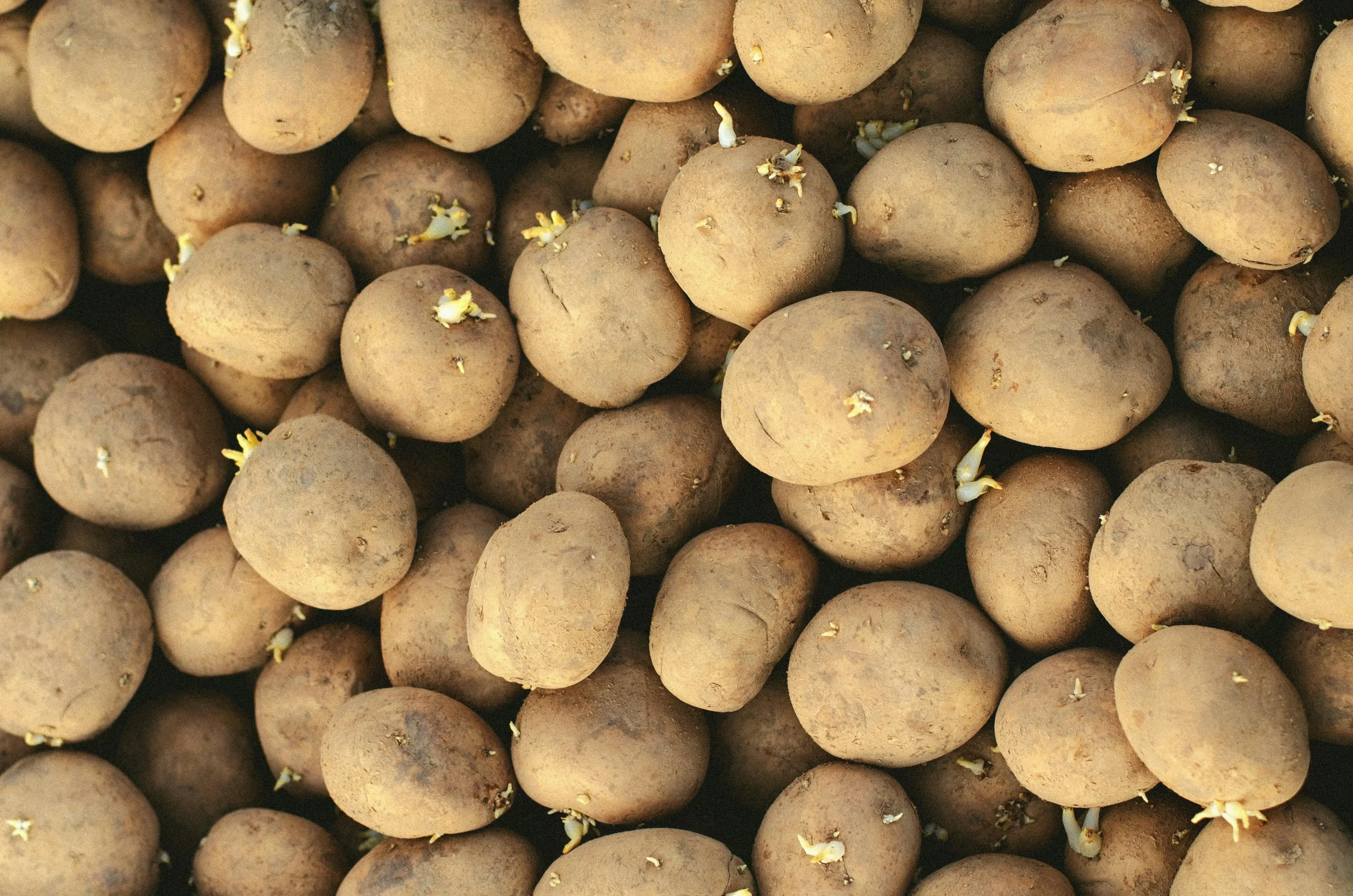
Potatoes are a staple in diets worldwide, but green spots and sprouts can contain solanine, a natural toxin that can cause nausea, headaches, and digestive issues. Solanine forms when potatoes are exposed to light or stored improperly.
Tips for safety:
- Always store potatoes in a cool, dark place.
- Remove green areas and sprouts before cooking.
- Avoid eating raw potatoes.
2. Apples Seeds: Small but Potent
Apple seeds contain amygdalin, a compound that can release cyanide when digested. While accidentally swallowing a few seeds isn’t dangerous, large quantities can be harmful.
Tips for safety:
- Core apples before juicing or cooking.
- Avoid eating large amounts of seeds intentionally.
3. Kidney Beans: Raw Can Be Toxic
Raw or undercooked kidney beans contain phytohaemagglutinin, a lectin that can cause severe stomach pain, vomiting, and diarrhea.
Tips for safety:
- Boil beans for at least 10 minutes before consuming.
- Soaking beans overnight reduces toxin levels.
4. Cherry Pits and Other Stone Fruit Seeds
Like apple seeds, cherry, apricot, and peach pits contain cyanogenic compounds. Ingesting large amounts can lead to cyanide poisoning.
Tips for safety:
- Eat the fruit, but discard the pits.
- Be cautious with recipes using ground seeds, like homemade almond extracts.
5. Rhubarb Leaves: Toxic Foliage
Rhubarb stems are safe and nutritious, but the leaves contain oxalic acid, which can damage the kidneys and cause nausea.
Tips for safety:
- Only consume the stems.
- Discard leaves immediately.
6. Fugu (Pufferfish): A Delicacy with Risk
Fugu is a Japanese delicacy known for its tetrodotoxin, a potent neurotoxin. Eating improperly prepared fugu can lead to paralysis or death.
Tips for safety:
- Only consume fugu at licensed restaurants with trained chefs.
- Avoid attempting to prepare it at home.
7. Cassava: The Root That Needs Careful Preparation
Cassava (yucca) contains cyanogenic glycosides, which can produce cyanide. Improperly processed cassava can lead to poisoning, especially in regions where it’s a staple food.
Tips for safety:
- Peel, soak, and cook cassava thoroughly.
- Choose sweet cassava varieties over bitter ones when possible.
8. Almonds: Sweet vs. Bitter
Sweet almonds are safe for consumption, but bitter almonds contain cyanide precursors. These are sometimes used in extracts but should be processed to remove toxins.
Tips for safety:
- Stick to sweet almonds for snacking.
- Avoid raw bitter almonds unless processed by professionals.
9. Spinach and Beet Greens: Oxalate Concerns
Spinach, beet greens, and other leafy vegetables are highly nutritious, but they contain oxalates, which can contribute to kidney stones in susceptible individuals.
Tips for safety:
- Rotate leafy greens in your diet.
- Boil greens to reduce oxalate content.
10. Mushrooms: Know Your Species
Wild mushrooms are delicious but can be deadly. Certain species, like Amanita phalloides (death cap), contain toxins that can cause liver failure.
Tips for safety:
- Avoid foraging wild mushrooms unless you are an expert.
- Buy mushrooms from reputable sources only.
11. Nutmeg: A Spicy High-Risk Food
Nutmeg in small culinary amounts is safe, but large doses can cause hallucinations, nausea, and seizures due to myristicin content.
Tips for safety:
- Use nutmeg in moderation.
- Never consume large amounts in a single sitting.
12. Fish with Mercury: Tuna, Swordfish, and King Mackerel
Certain large predatory fish accumulate mercury, a heavy metal that can affect neurological development, especially in children and pregnant women.
Tips for safety:
- Limit consumption of high-mercury fish.
- Opt for lower-mercury options like salmon, sardines, and trout.
13. Soy Products: Raw and Fermented
Raw soybeans contain trypsin inhibitors that can interfere with protein digestion. Fermented soy products like miso or tempeh reduce these toxins.
Tips for safety:
- Cook soybeans thoroughly.
- Choose fermented soy for safer, digestible options.
14. Tomatoes: Green Tomatoes Are Toxic
While ripe tomatoes are safe, green tomatoes contain solanine, similar to potatoes. Consuming large amounts raw can cause gastrointestinal discomfort.
Tips for safety:
- Eat ripe tomatoes only.
- Cook green tomatoes thoroughly if using in recipes.
15. Peanut Butter and Aflatoxins
Improperly stored peanuts can develop aflatoxins, toxins produced by mold that are carcinogenic over time. Most commercial peanut butter brands regulate this risk, but homemade or improperly stored peanuts may pose a danger.
Tips for safety:
- Store peanuts in cool, dry conditions.
- Buy peanut butter from trusted brands.
Conclusion
Even the healthiest foods can contain natural or environmental toxins if consumed improperly or in excess. Awareness, proper preparation, and moderation are key to enjoying these foods safely. By knowing which foods might pose risks and taking simple precautions — like cooking, peeling, discarding certain parts, and buying from reputable sources — you can protect your health while still enjoying a diverse, nutrient-rich diet.
Always remember: the dose makes the poison. Many of these foods are safe in moderation and can be highly beneficial as part of a balanced diet. The key is knowledge and mindfulness when preparing and consuming everyday foods.
References
- Solanine in Potatoes: Risks and Safe Consumption — Medical News Today
- Cyanide in Apple Seeds and Stone Fruits — Healthline
- Kidney Beans and Lectin Toxicity — Harvard T.H. Chan School of Public Health
- Rhubarb Toxicity — University of Michigan Health
- Fugu (Pufferfish) Toxicity — Japan Today
- Cassava and Cyanogenic Glycosides — WHO: Cassava Safety
- Bitter Almonds and Cyanide — Cleveland Clinic
- Oxalates in Leafy Greens — National Kidney Foundation
- Wild Mushroom Safety — Mayo Clinic
- Nutmeg Toxicity — WebMD
- Mercury in Fish — FDA: Mercury in Fish
- Soy Trypsin Inhibitors — ScienceDirect
Leave a Reply