
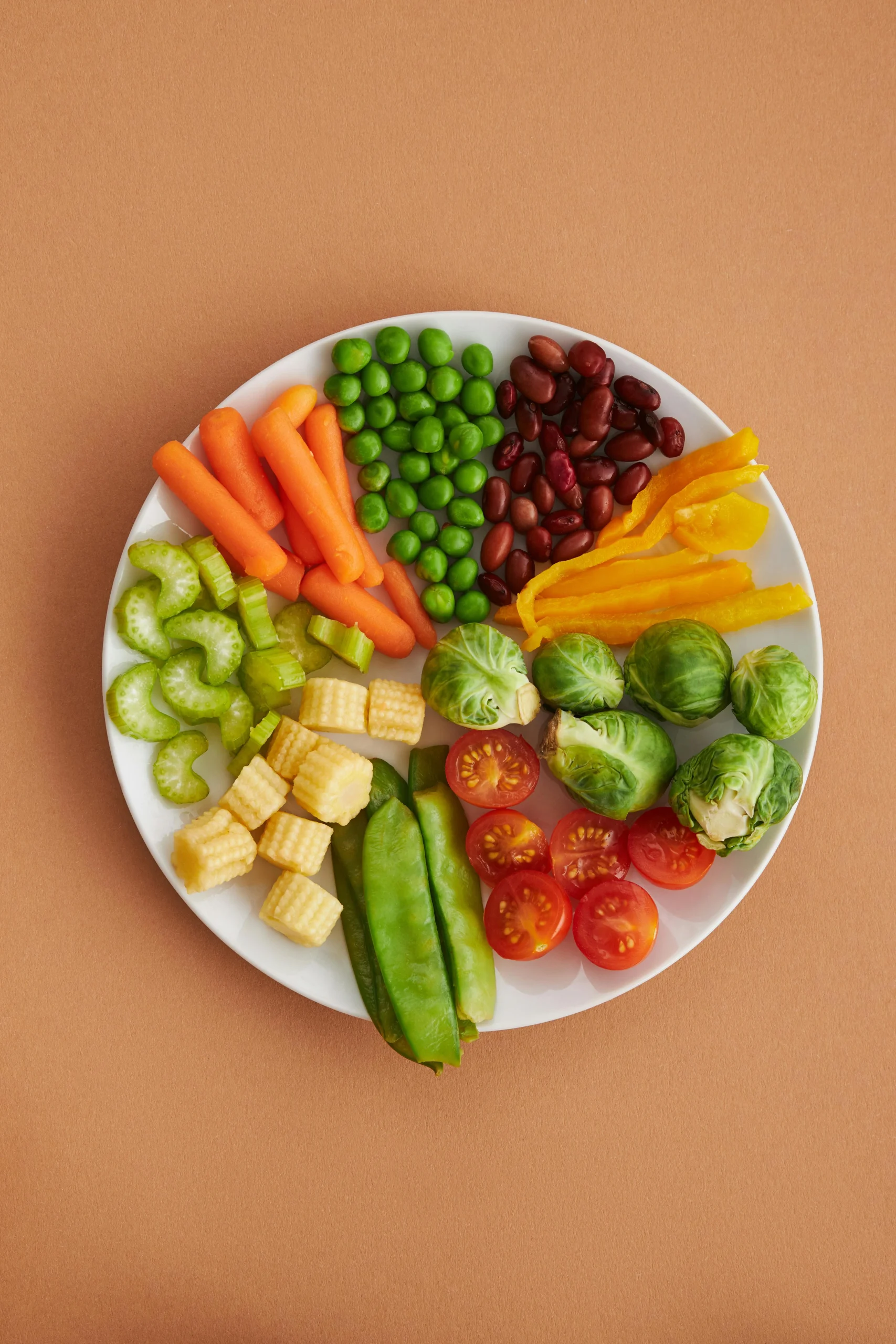
In today’s fast-paced world, the concept of “food as medicine” is gaining momentum. While many of us think of medicine as pills and prescriptions, modern research increasingly shows that what we eat profoundly affects our long-term health. From preventing chronic illnesses to supporting mental well-being, everyday foods contain powerful compounds that can act as natural remedies. By understanding and integrating these foods into daily life, we can harness their healing potential and improve overall wellness.
The Science Behind Food as Medicine
The idea that food can act as medicine is not new. Ancient cultures, including Traditional Chinese Medicine and Ayurveda, have long recognized the healing properties of certain foods. Modern nutrition science now supports these practices with empirical evidence, demonstrating how bioactive compounds, antioxidants, and anti-inflammatory nutrients directly influence bodily functions.
For example:
- Polyphenols found in berries and dark chocolate combat oxidative stress, which can damage cells and contribute to chronic diseases.
- Omega-3 fatty acids, abundant in fatty fish like salmon, reduce inflammation, support heart health, and improve brain function.
- Prebiotic fibers in foods like garlic, onions, and bananas nourish beneficial gut bacteria, indirectly supporting immunity and mental health.
These compounds don’t just provide calories; they actively participate in physiological processes, reducing disease risk and promoting healing. (Harvard Health)
Everyday Foods with Medicinal Properties
Incorporating foods with proven health benefits can be as impactful as lifestyle changes or even some medications, especially for prevention. Here are several everyday foods recognized for their medicinal potential:
1. Leafy Greens
Spinach, kale, and Swiss chard are rich in vitamins A, C, and K, as well as antioxidants and fiber. Studies show that regular consumption can reduce the risk of heart disease, support bone health, and protect cognitive function. The lutein and beta-carotene in these greens also play a critical role in eye health.
2. Berries
Blueberries, strawberries, and raspberries are high in flavonoids and antioxidants. Research links regular berry consumption to reduced blood pressure, improved insulin sensitivity, and enhanced memory function. (Medical News Today)
3. Fatty Fish
Salmon, mackerel, and sardines provide DHA and EPA, forms of omega-3 fatty acids. These compounds support heart health, reduce inflammation, and are associated with a lower risk of depression and cognitive decline.
4. Garlic
A staple in global cuisines, garlic contains allicin, which has antimicrobial, anti-inflammatory, and cardiovascular benefits. Studies suggest it can help regulate blood pressure, improve cholesterol profiles, and even reduce the risk of certain cancers.
5. Turmeric
This golden spice contains curcumin, a compound with potent anti-inflammatory and antioxidant properties. Research indicates that turmeric may help manage arthritis, support brain health, and reduce markers of chronic disease.
6. Nuts and Seeds
Almonds, walnuts, flaxseeds, and chia seeds are packed with healthy fats, protein, and antioxidants. Regular consumption is linked to improved cholesterol levels, enhanced brain function, and reduced risk of metabolic syndrome.
7. Whole Grains
Brown rice, quinoa, and oats provide fiber, B vitamins, and essential minerals. They support digestive health, help regulate blood sugar, and may reduce the risk of cardiovascular disease when consumed as part of a balanced diet.
8. Fermented Foods
Yogurt, kimchi, sauerkraut, and kefir are rich in probiotics, which promote a healthy gut microbiome. A balanced gut supports immunity, mental health, and digestion, emphasizing the connection between food and systemic wellness. (Harvard T.H. Chan School of Public Health)
Preventing Disease with Nutrition
Diet plays a critical role in the prevention of chronic illnesses. According to the World Health Organization, dietary risks are among the top contributors to non-communicable diseases, including heart disease, diabetes, and certain cancers. By prioritizing whole, nutrient-dense foods, individuals can lower their risk for these conditions.
Heart Disease
Consuming foods rich in unsaturated fats, fiber, and antioxidants reduces LDL cholesterol and inflammation, protecting cardiovascular health. Examples include olive oil, fatty fish, nuts, and leafy greens.
Diabetes Management
Fiber-rich foods like beans, whole grains, and vegetables help regulate blood sugar levels. Additionally, antioxidant-rich foods combat oxidative stress, a factor in insulin resistance.
Cancer Prevention
A diet abundant in fruits, vegetables, and whole grains is associated with reduced cancer risk. Compounds like sulforaphane in cruciferous vegetables and lycopene in tomatoes demonstrate chemoprotective properties.
Cognitive Health
Foods high in omega-3s, polyphenols, and B vitamins contribute to brain health, improving memory, focus, and mood while reducing the risk of cognitive decline.
The Gut-Brain Connection
Emerging research emphasizes the importance of the gut-brain axis, highlighting how gut health affects mental health, immunity, and chronic disease risk. Prebiotic and probiotic foods — including garlic, onions, leeks, yogurt, and fermented vegetables — support a healthy gut microbiome, reducing inflammation and improving mood. This connection underscores why treating your gut with the right foods is a form of medicine in itself. (Cleveland Clinic)
Practical Tips for Using Food as Medicine
Integrating medicinal foods into daily life does not require drastic changes. Here’s how to get started:
1. Eat a Variety
Diverse diets ensure a broad spectrum of nutrients. Mix fruits, vegetables, whole grains, nuts, and proteins in each meal.
2. Prioritize Whole Foods
Focus on minimally processed foods to maximize nutrient intake and reduce additives that may promote inflammation.
3. Use Herbs and Spices
Incorporate turmeric, ginger, garlic, cinnamon, and other flavorful herbs known for their medicinal properties.
4. Include Healthy Fats
Olive oil, avocado, nuts, and fatty fish provide anti-inflammatory benefits crucial for cardiovascular and brain health.
5. Mindful Eating
Being aware of what, when, and how you eat can improve digestion, reduce stress, and enhance nutrient absorption.
Case Studies: Food as Preventive Medicine
Several studies illustrate the power of diet in disease prevention:
- Mediterranean Diet & Heart Health
A landmark study published in The New England Journal of Medicine showed that participants following a Mediterranean diet rich in olive oil and nuts had a 30% lower risk of major cardiovascular events. - Berries & Cognitive Function
Research from Harvard University found that older adults consuming two or more servings of blueberries per week experienced slower cognitive decline compared to those who ate fewer berries. - Turmeric & Arthritis
Clinical trials indicate that curcumin supplements can reduce pain and improve function in individuals with osteoarthritis, demonstrating its anti-inflammatory effects.
Beyond Food: Lifestyle Integration
While food is powerful, true healing requires a holistic approach. Integrating nutritious foods with lifestyle choices enhances their benefits:
- Physical Activity: Supports cardiovascular health, metabolism, and mental clarity.
- Adequate Sleep: Sleep is essential for cellular repair and brain function.
- Stress Management: Mindfulness, yoga, and meditation complement the anti-inflammatory effects of a healthy diet.
Challenges and Considerations
Despite the benefits, some challenges exist when treating food as medicine:
- Individual Variability: Genetics, metabolism, and existing health conditions influence how foods affect the body.
- Quality and Sourcing: Nutrient content varies; organic, fresh, and minimally processed foods provide optimal benefits.
- Consultation Needed: People with specific conditions should consult healthcare providers to ensure dietary changes complement medical treatments.
Conclusion: Empower Your Health Through Diet
The concept of food as medicine is more than a trend — it is a scientifically supported approach to disease prevention, management, and overall wellness. By incorporating nutrient-rich, anti-inflammatory, and gut-friendly foods into daily meals, we can actively support heart, brain, and immune health.
Healing is no longer confined to a pill or injection. Every meal is an opportunity to nourish, protect, and rejuvenate the body. With informed choices, we can turn our kitchens into centers of wellness, transforming everyday foods into powerful tools for long-term health.
Ultimately, embracing food as medicine empowers individuals to take control of their health, prevent chronic diseases, and enhance quality of life — one plate at a time.
References & Citations
- Harvard Health: Food as Medicine – https://www.health.harvard.edu/staying-healthy/food-as-medicine
- Medical News Today: Foods That Boost Immune System – https://www.medicalnewstoday.com/articles/foods-that-boost-immune-system
- Harvard T.H. Chan School of Public Health: Probiotics – https://www.hsph.harvard.edu/nutritionsource/probiotics/
- Cleveland Clinic: Gut-Brain Connection – https://health.clevelandclinic.org/gut-brain-connection/
- New England Journal of Medicine: Mediterranean Diet and Cardiovascular Outcomes – https://www.nejm.org/doi/full/10.1056/NEJMoa1200303
Leave a Reply