
In today’s fast-paced world, we often prioritize convenience and taste over nutrition. While many of us aim for a balanced diet, some commonly consumed foods may actually contain hidden toxins that can impact our health over time. These toxic compounds can originate from pesticides, preservatives, natural plant defenses, or chemical additives, and while occasional consumption may not be harmful, regular intake can have cumulative effects.
This article explores the 10 most common toxic foods you might be eating every day, the potential health risks associated with them, and safer alternatives to include in your diet.
1. Processed Meats
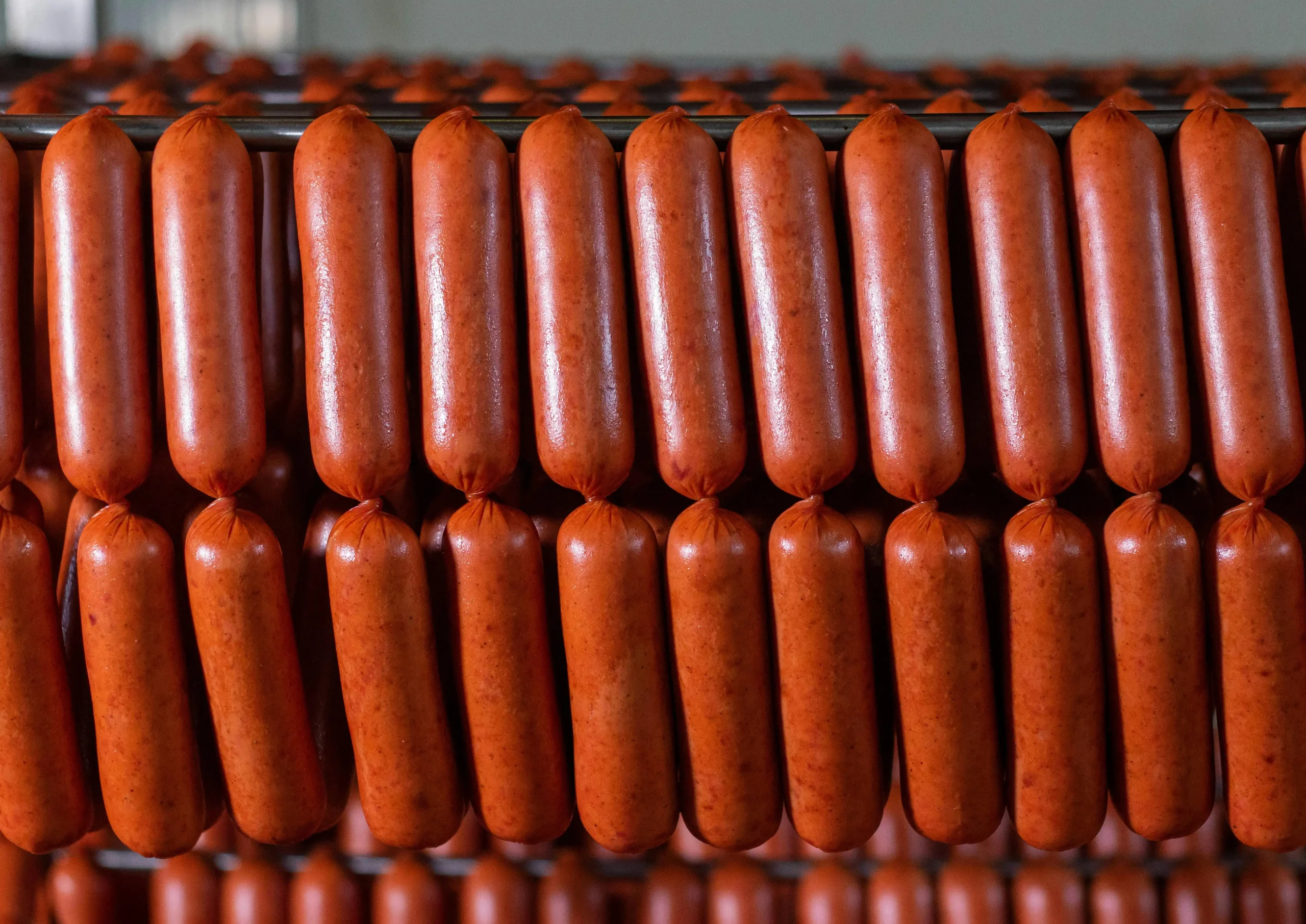
Processed meats like sausages, hot dogs, bacon, and deli meats are convenient protein sources but are often loaded with nitrates and nitrites, preservatives that can form carcinogenic compounds in the body.
- Health risks: Increased risk of colorectal cancer, heart disease, and metabolic disorders.
- Safer alternatives: Opt for unprocessed lean meats, poultry, or plant-based protein sources.
2. Conventional Apples
While apples are often considered a “healthy snack,” conventional apples rank high on the Environmental Working Group’s Dirty Dozen list due to pesticide residues.
- Health risks: Pesticides like organophosphates can interfere with the nervous system and may have long-term developmental impacts.
- Safer alternatives: Choose organic apples or peel them before consumption.
3. Farmed Salmon
Farmed salmon is widely available and rich in omega-3s but may contain PCBs (polychlorinated biphenyls) and other contaminants from feed and water.
- Health risks: PCBs are linked to hormonal disruption, cancer, and neurological problems.
- Safer alternatives: Wild-caught salmon or smaller fatty fish like sardines, which tend to accumulate fewer toxins.
4. Potatoes
Potatoes naturally produce solanine, a glycoalkaloid toxin, especially when they are green or sprouted. Solanine can be harmful if consumed in high amounts.
- Health risks: Nausea, digestive issues, and, in extreme cases, neurological symptoms.
- Safer alternatives: Store potatoes in a cool, dark place and remove any green or sprouted sections before cooking.
5. Canned Tomatoes
Canned tomatoes are convenient for sauces and soups but may contain BPA (Bisphenol A) in the lining of cans. BPA is an industrial chemical known to disrupt hormone function.
- Health risks: Potential increased risk of metabolic disorders, reproductive issues, and certain cancers.
- Safer alternatives: Choose BPA-free cans or fresh tomatoes when possible.
6. Sugar-Sweetened Beverages
Soft drinks, energy drinks, and sweetened teas are high in refined sugars and artificial additives like caramel coloring, which can contain 4-MEI, a potential carcinogen.
- Health risks: Obesity, diabetes, cardiovascular disease, and liver damage.
- Safer alternatives: Water, herbal teas, or sparkling water with natural flavoring.
7. Conventional Spinach and Leafy Greens
Spinach, kale, and other leafy greens can contain pesticide residues and naturally occurring oxalates, which can contribute to kidney stones if consumed in excess.
- Health risks: Pesticide exposure and increased risk of kidney stone formation in susceptible individuals.
- Safer alternatives: Wash thoroughly, buy organic, or rotate greens to reduce cumulative toxin exposure.
8. Artificially Colored Snacks
Candy, baked goods, and packaged snacks often contain synthetic dyes such as Red 40 and Yellow 5, which have been linked to hyperactivity in children and potential long-term health concerns.
- Health risks: Behavioral changes, allergic reactions, and possible carcinogenic effects.
- Safer alternatives: Choose naturally colored snacks using beet juice, turmeric, or paprika.
9. Microwave Popcorn
Microwave popcorn is convenient but often contains diacetyl in artificial butter flavorings and PFAS (per- and polyfluoroalkyl substances) in some bag coatings.
- Health risks: Respiratory issues and potential hormonal disruption.
- Safer alternatives: Air-popped popcorn with olive oil or natural seasoning.
10. Non-Organic Soy Products
Soy is a common plant-based protein, but non-organic soy may be genetically modified (GMO) and contain pesticide residues, while highly processed soy products can contain phytoestrogens, which may affect hormone balance if consumed in excess.
- Health risks: Hormonal disruption, reproductive concerns, and allergic reactions.
- Safer alternatives: Choose organic, minimally processed soy or fermented soy products like tempeh and miso.
How to Reduce Toxin Exposure
Reducing toxins in your diet doesn’t require a complete overhaul. Small, strategic choices can significantly improve health outcomes:
- Buy Organic When Possible – Focus on the Dirty Dozen fruits and vegetables.
- Diversify Your Diet – Rotate foods to avoid accumulating specific toxins.
- Check Labels – Look for BPA-free cans, no artificial colors, and minimal preservatives.
- Wash and Peel Produce – Remove surface residues from non-organic fruits and vegetables.
- Cook Safely – Avoid charring meats and potatoes, which can increase harmful compounds.
The Bottom Line
Awareness is the first step toward a healthier diet. Many foods we consume every day may contain hidden toxins, but by making informed choices, choosing organic or minimally processed alternatives, and diversifying our meals, we can reduce exposure and support long-term health.
Your diet is more than just calories — it’s a tool for protecting your body from hidden risks and promoting overall wellness. Paying attention to the foods we eat, even the ones we consider harmless, can have profound health benefits over time.
References
- Environmental Working Group. Dirty Dozen 2025: Pesticide Residues in Produce. Link: https://www.ewg.org/foodnews/dirty-dozen.php
- Harvard T.H. Chan School of Public Health. Processed Meats and Cancer Risk. Link: https://www.hsph.harvard.edu/nutritionsource/processed-meat/
- Mayo Clinic. Solanine Poisoning from Potatoes. Link: https://www.mayoclinic.org/healthy-lifestyle/nutrition-and-healthy-eating/expert-answers/solanine/faq-20058429
- Food & Chemical Toxicology. BPA Exposure and Health Risks. Link: https://www.sciencedirect.com/journal/food-and-chemical-toxicology
- American Heart Association. Sugary Drinks and Cardiovascular Health. Link: https://www.heart.org/en/news/2022/05/10/sugary-drinks-health-risks
Leave a Reply