
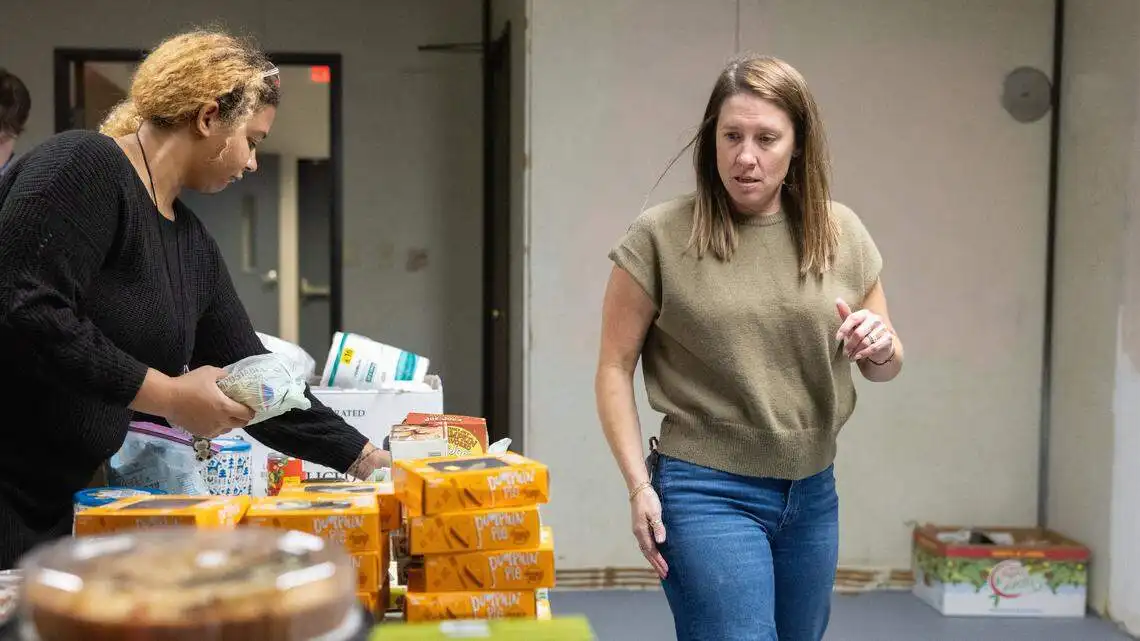
Building connection, care, and compassion through community outreach
A Day of Service in West Charlotte
In West Charlotte, a local church opened its doors and grounds to the community for a special outreach event dedicated to helping families in need. The initiative brought together volunteers, healthcare providers, and local partners to offer free food, basic health checks, and community activities designed to support residents facing economic and health challenges.
The event reflects a growing trend among faith-based organizations stepping beyond traditional worship services to actively meet urgent community needs.
A Church-Led Initiative Focused on Community Care
The hosting church organized the community day with a clear mission: to provide immediate relief while strengthening relationships within the neighborhood.
Throughout the event, attendees were able to access:
- Free meals and food distribution
- Basic health screenings
- Wellness information and resources
- Children’s activities and family-friendly entertainment
- Community support services
Volunteers worked throughout the day to ensure families felt welcomed, supported, and cared for.
Food Distribution: Addressing Immediate Needs
One of the most impactful parts of the event was the food assistance program. Many families in the area face ongoing challenges related to food insecurity, making free meal distribution an essential service.
The church and its partners provided:
- Packaged groceries for families
- Hot meals prepared on-site
- Fresh produce and essential food items
- Water and basic necessities
For many attendees, the food distribution helped ease financial pressure and ensured that households had access to nutritious meals for the week ahead.
Health Checks Bring Preventive Care to the Community
In addition to food support, the event also included basic health screenings, offering residents access to services they might otherwise delay or avoid due to cost or transportation barriers.
Health volunteers and professionals provided:
- Blood pressure checks
- Basic wellness screenings
- Health consultations
- Information on local clinics and services
These services are especially important in underserved communities where preventive healthcare is often limited.
By offering these checks in a familiar and welcoming environment, the church helped bridge the gap between healthcare providers and the community.
Family Activities and Community Engagement
Beyond essential services, the community day also focused on creating a positive and uplifting environment.
Families enjoyed:
- Games and activities for children
- Music and entertainment
- Community bonding spaces
- Educational booths and resource tables
These activities helped transform the event from a simple aid distribution into a full community celebration, encouraging connection and social support.
The Role of Faith-Based Organizations in Community Support
Faith-based organizations like this West Charlotte church often play a critical role in addressing local needs.
Their involvement typically includes:
- Emergency food assistance
- Shelter and housing support referrals
- Counseling and emotional support
- Community outreach programs
- Volunteer mobilization during crises
Because they are deeply rooted in local neighborhoods, churches often serve as trusted access points for assistance and outreach.
Addressing Food Insecurity and Health Gaps
Events like this highlight ongoing challenges in many urban communities, including:
- Limited access to affordable, nutritious food
- Lack of preventive healthcare services
- Transportation barriers to clinics and supermarkets
- Economic instability affecting families
- Gaps in community health education
By combining food support with health services, the church addressed both immediate and long-term needs in a single coordinated effort.
Volunteers: The Heart of the Event
The success of the community day relied heavily on volunteers from the church and surrounding community.
Volunteers assisted with:
- Food preparation and distribution
- Registration and welcoming guests
- Managing health screening stations
- Supervising children’s activities
- Coordinating logistics and supplies
Their dedication helped ensure the event ran smoothly and that every attendee received respectful and efficient service.
Partnerships Strengthening Local Impact
Community outreach events like this are often strengthened through partnerships with local organizations, healthcare providers, and nonprofits.
These collaborations help:
- Expand service offerings
- Increase resource availability
- Improve outreach effectiveness
- Build long-term community programs
- Strengthen trust between institutions and residents
By working together, partners maximize their impact and ensure more comprehensive support for families in need.
A Focus on Dignity and Inclusion
One of the key goals of the event was not just to provide assistance, but to do so in a way that preserves dignity and respect.
Organizers emphasized:
- Treating all attendees with compassion
- Creating a welcoming, non-judgmental environment
- Ensuring equal access to services
- Encouraging community participation
This approach helps build trust and encourages more residents to seek help when needed.
The Broader Importance of Community Outreach Programs
Community days like this are part of a larger movement toward localized support systems that address social needs directly within neighborhoods.
Benefits include:
- Immediate relief for struggling families
- Stronger community relationships
- Increased awareness of available services
- Prevention of health complications through early screening
- Greater civic engagement and volunteerism
These programs often serve as a bridge between residents and larger social service systems.
Challenges Facing Community Support Efforts
While impactful, community outreach programs also face challenges such as:
- Limited funding and resources
- Volunteer availability and sustainability
- High demand for services
- Transportation and accessibility issues
- Long-term follow-up care limitations
Despite these challenges, many organizations continue to expand their efforts due to strong community need.
Conclusion: A Day of Compassion and Connection
The West Charlotte church community day stands as a powerful example of how local organizations can make a meaningful difference.
By providing food, health screenings, and family support, the church helped meet urgent needs while also fostering a sense of unity and care within the community.
Events like this highlight the importance of compassion-driven outreach and demonstrate how local action can create real, immediate impact in people’s lives.
As communities continue to face economic and health challenges, initiatives like these remain essential in building stronger, healthier, and more connected neighborhoods.
References & Citations
- Feeding America – Research on food insecurity and community hunger relief programs. https://www.feedingamerica.org
- Centers for Disease Control and Prevention – Community health screening and preventive care guidance. https://www.cdc.gov
- World Health Organization – Community-based health outreach and preventive health strategies. https://www.who.int
- National Council of Churches – Faith-based community service and outreach initiatives. https://www.ncccusa.org
- Urban Institute – Studies on poverty, food insecurity, and local community interventions. https://www.urban.org
Leave a Reply