
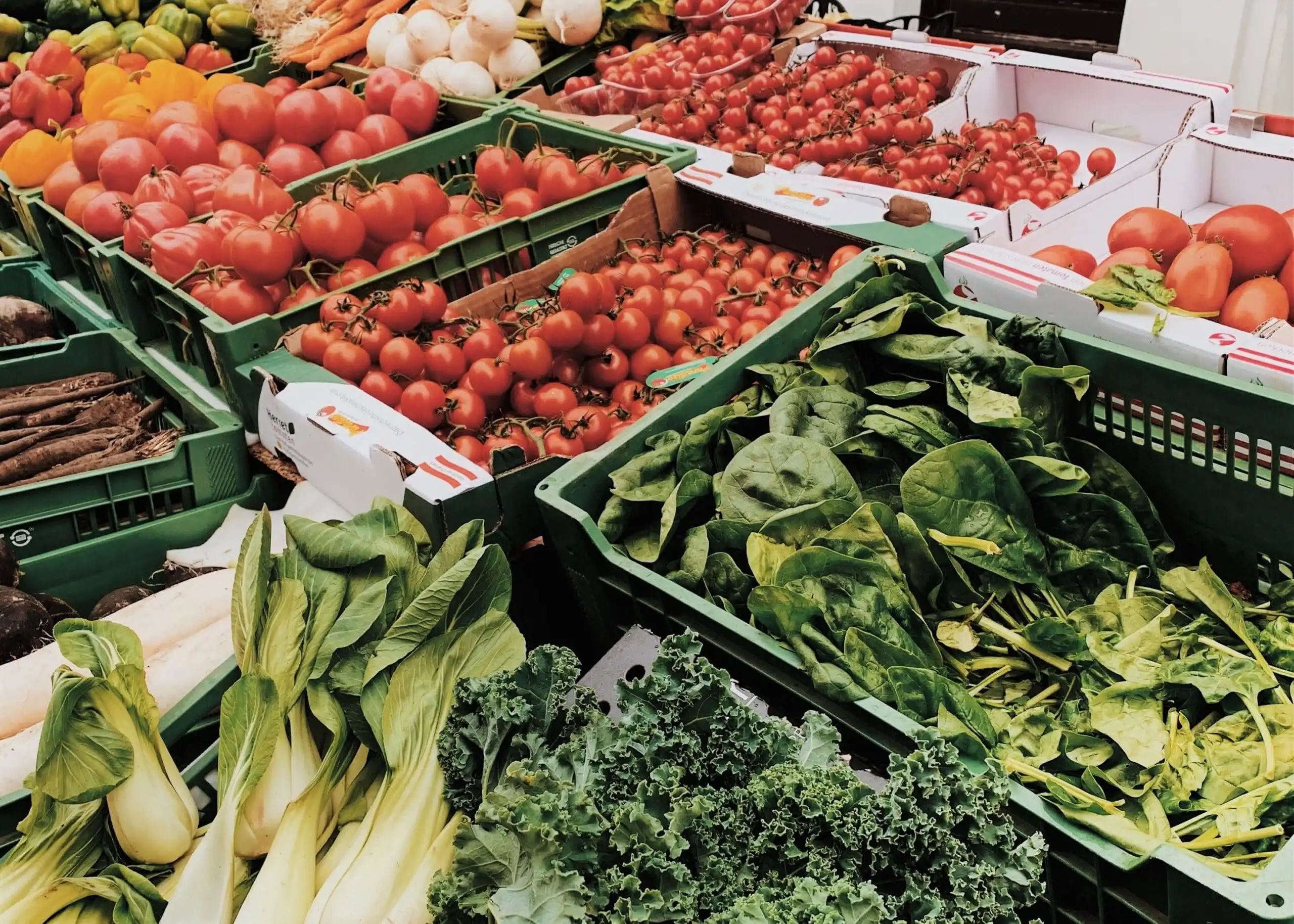
Food systems sit at the center of two of the most urgent global challenges today: human health and climate change. From how food is grown and processed to how it is transported, consumed, and wasted, every step in the food supply chain has an environmental and social impact.
Around the world, researchers, policymakers, and sustainability advocates are increasingly pointing to food systems as one of the most powerful levers for reducing carbon emissions. If redesigned thoughtfully, agriculture and food production could become a model for low-carbon innovation while also improving nutrition, food security, and public health.
The idea is simple but transformative: we can build food systems that nourish people and regenerate the planet at the same time.
Food Systems and Their Environmental Footprint
Modern food systems are responsible for a significant share of global greenhouse gas emissions. These emissions come from multiple sources, including:
- Agricultural production (livestock methane, fertilizer use)
- Land-use change (deforestation for farming)
- Food processing and packaging
- Transportation and distribution
- Food waste across supply chains
Livestock production, in particular, contributes heavily to methane emissions, while industrial farming practices often rely on chemical inputs that degrade soil health over time.
Because food systems are so interconnected with energy, land use, and water consumption, they represent one of the most important sectors for climate action.
Decarbonizing Agriculture: A Key Climate Strategy
Decarbonizing agriculture means reducing greenhouse gas emissions while maintaining or improving food production. This involves rethinking how food is grown and distributed.
Key strategies include:
Sustainable farming practices
- Crop rotation
- Reduced tillage farming
- Organic and regenerative agriculture
Smarter fertilizer use
- Precision agriculture technologies
- Reduced nitrogen fertilizer application
- Alternative natural fertilizers
Livestock efficiency improvements
- Improved feed systems
- Methane reduction techniques
- Better waste management systems
Land restoration
- Reforestation
- Soil carbon sequestration
- Wetland restoration
These practices not only reduce emissions but also improve soil fertility, water retention, and long-term agricultural productivity.
Food Systems as a Model for Low-Carbon Production
Food systems have the potential to become a blueprint for other industries transitioning toward sustainability.
Unlike some sectors where emissions are concentrated in a single process, agriculture involves multiple natural cycles. This creates opportunities for innovation in:
- Circular production systems
- Waste-to-resource conversion
- Renewable energy integration
- Localized supply chains
For example, agricultural waste can be converted into bioenergy or compost, reducing landfill use while generating renewable inputs for farming.
By integrating circular economy principles, food systems can move from linear “take-make-waste” models to regenerative cycles that restore ecosystems.
Human Health and Nutrition Benefits
Sustainable food systems are not only good for the environment—they are essential for human health.
Modern diets in many parts of the world are heavily processed and calorie-dense but nutrient-poor. This contributes to rising rates of:
- Obesity
- Type 2 diabetes
- Cardiovascular disease
- Micronutrient deficiencies
A healthier food system would prioritize:
- Whole, minimally processed foods
- Diverse plant-based diets
- Reduced reliance on ultra-processed products
- Better access to fresh produce
Improving food production methods also enhances food quality, ensuring that nutrients are preserved from farm to table.
The Role of Plant-Based and Alternative Proteins
One of the most discussed shifts in sustainable food systems is the rise of alternative proteins.
This includes:
- Plant-based meat alternatives
- Lab-grown (cultivated) meat
- Fermented protein products
- Insect-based protein (in some regions)
These innovations aim to reduce reliance on traditional livestock farming, which has a high environmental footprint.
While not a complete replacement for conventional agriculture, alternative proteins offer a way to diversify food sources and reduce pressure on land and water resources.
Reducing Food Waste: A Major Opportunity
Globally, a large portion of food produced never reaches consumers. Food waste occurs at multiple stages:
- Harvesting and storage losses
- Transportation spoilage
- Retail overstocking
- Household waste
Reducing food waste is one of the most effective ways to lower emissions without increasing production.
Solutions include:
- Improved cold chain logistics
- Better inventory management systems
- Consumer awareness campaigns
- Food redistribution programs
By preventing waste, food systems become more efficient and environmentally responsible.
Technology and Innovation in Food Systems
Technology is playing an increasingly important role in transforming agriculture and food production.
Some key innovations include:
Precision agriculture
Using sensors, GPS, and data analytics to optimize farming inputs.
Climate-smart forecasting
Helping farmers adapt to changing weather patterns.
Agricultural biotechnology
Developing crops that are more resilient to drought and pests.
Smart supply chains
Improving tracking and reducing inefficiencies in food distribution.
These technologies help farmers produce more with fewer resources, reducing environmental impact while increasing resilience.
Policy and Global Cooperation
Transforming food systems requires coordinated policy action at national and global levels.
Governments can support sustainable food systems by:
- Subsidizing sustainable farming practices
- Investing in agricultural research
- Implementing carbon pricing mechanisms
- Supporting smallholder farmers
- Regulating food waste and emissions
International cooperation is also essential, as food systems are deeply interconnected across borders through trade and supply chains.
Challenges in Transitioning Food Systems
Despite progress, several challenges remain:
- High cost of transitioning to sustainable farming
- Resistance from established agricultural industries
- Unequal access to technology in developing regions
- Consumer behavior and dietary habits
- Climate unpredictability affecting crop yields
Addressing these challenges requires balancing economic realities with long-term environmental goals.
Why Food System Transformation Matters
Food systems are unique because they directly affect both planetary health and human survival. Unlike many sectors, they cannot be eliminated or reduced—they must be transformed.
A sustainable food system ensures:
- Lower greenhouse gas emissions
- Healthier populations
- More resilient ecosystems
- Improved food security
- Long-term economic stability
In many ways, food systems represent one of the most powerful opportunities for climate action with immediate human benefits.
Conclusion
Creating food systems that enhance both human and planetary health is not just an environmental goal—it is a global necessity. By decarbonizing agriculture, reducing waste, embracing innovation, and improving nutrition, societies can build systems that sustain both people and the planet.
The future of food is not only about feeding more people—it is about doing so in a way that restores ecosystems, reduces emissions, and improves quality of life.
With the right combination of policy, technology, and collective action, food systems can become one of the strongest models for sustainable development in the 21st century.
Sources
- Food and Agriculture Organization (FAO) – Food systems and climate impact
https://www.fao.org - United Nations Environment Programme – Food waste and sustainability
https://www.unep.org - Intergovernmental Panel on Climate Change (IPCC) – Climate and land use report
https://www.ipcc.ch - World Health Organization – Diet, nutrition, and health outcomes
https://www.who.int - World Resources Institute – Sustainable food systems research
https://www.wri.org
Leave a Reply