
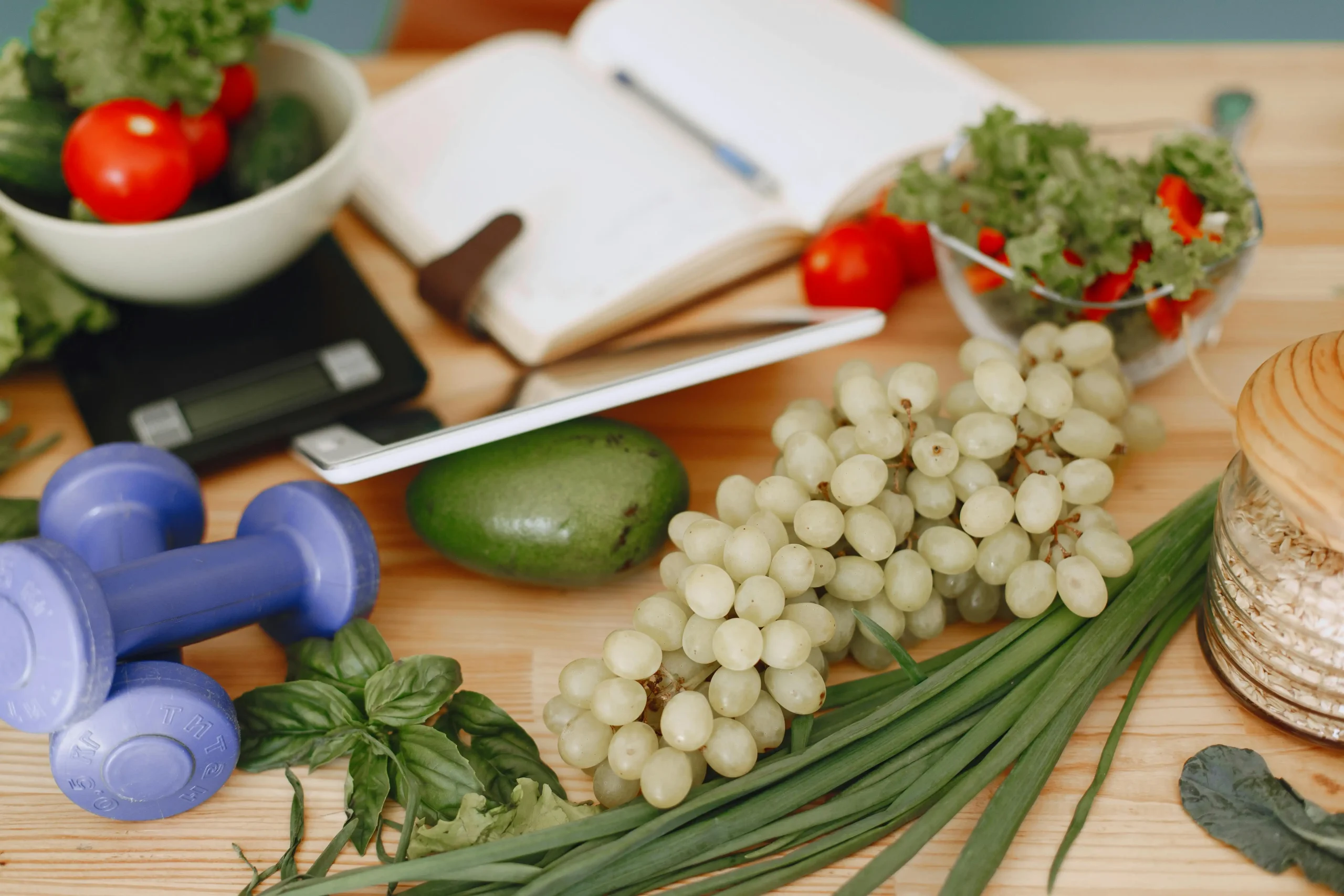
For centuries, humans have understood food as more than just fuel. Long before modern medicine, ancient civilizations viewed diet as a central part of healing and disease prevention. Today, that idea is returning under a modern concept known as “food as medicine.”
The question is simple but powerful: What if the food you eat every day could help prevent disease, improve energy, and support long-term health?
Modern science is increasingly confirming what traditional healing systems have believed for thousands of years—nutrition plays a direct role in how the body functions, heals, and protects itself.
Food as Medicine: What It Really Means
The concept of food as medicine does not mean replacing doctors or medical treatment. Instead, it focuses on using nutrition as a foundation for health.
It means:
- Choosing foods that support the body’s natural healing processes
- Reducing chronic inflammation through diet
- Preventing disease before it starts
- Supporting mental and physical well-being through nutrition
Every meal becomes an opportunity to either support health or contribute to long-term illness risk.
The Science Behind Healing Through Diet
Modern research has shown that food directly affects biological systems such as:
- Immune function
- Gut microbiome health
- Hormone regulation
- Brain chemistry
- Inflammation levels
For example, diets high in processed foods, sugar, and unhealthy fats are linked to increased risk of conditions like type 2 diabetes, heart disease, and obesity.
On the other hand, diets rich in whole foods—vegetables, fruits, lean proteins, and healthy fats—are associated with lower disease risk and improved longevity.
According to global health research, poor diet is now one of the leading contributors to chronic illness worldwide.
Inflammation: The Hidden Link Between Food and Disease
One of the most important concepts in nutritional science is inflammation.
Inflammation is the body’s natural defense mechanism, but when it becomes chronic, it can contribute to serious health conditions.
Chronic inflammation has been linked to:
- Heart disease
- Cancer
- Arthritis
- Alzheimer’s disease
- Autoimmune disorders
Certain foods can either increase or reduce inflammation.
Foods that may increase inflammation:
- Sugary drinks
- Processed meats
- Refined carbohydrates
- Deep-fried foods
Foods that may reduce inflammation:
- Leafy green vegetables
- Berries
- Fatty fish (rich in omega-3s)
- Olive oil
- Nuts and seeds
This is why diet is increasingly seen as a key factor in long-term disease prevention.
The Gut Microbiome: Your Inner Health System
Another major discovery in modern health science is the role of the gut microbiome.
The gut contains trillions of bacteria that affect digestion, immunity, and even mental health.
A healthy gut microbiome supports:
- Strong immune response
- Better digestion
- Improved mood and mental clarity
- Reduced inflammation
Foods rich in fiber, probiotics, and prebiotics help nourish beneficial gut bacteria.
Examples include:
- Yogurt and fermented foods
- Garlic and onions
- Whole grains
- Fruits and vegetables
Research continues to show that gut health is deeply connected to overall wellness.
Food and Mental Health
Nutrition does not only affect the body—it also affects the brain.
The connection between diet and mental health is now a major area of research. Certain nutrients play a key role in brain function, including:
- Omega-3 fatty acids
- B vitamins
- Magnesium
- Amino acids
Diets high in processed foods have been associated with higher rates of depression and anxiety, while nutrient-rich diets are linked to better mood stability and cognitive function.
This has led to the rise of nutritional psychiatry, which studies how food can support mental well-being.
Preventing Disease Through Nutrition
One of the most powerful aspects of food as medicine is prevention.
Many chronic diseases develop over time due to lifestyle and dietary habits. By making consistent nutritional choices, it is possible to reduce risk factors significantly.
Healthy eating patterns can help lower the risk of:
- Type 2 diabetes
- Cardiovascular disease
- Certain cancers
- Obesity-related conditions
Organizations such as the World Health Organization emphasize the importance of balanced diets in preventing non-communicable diseases.
Whole Foods vs Processed Foods
A key principle in food-as-medicine thinking is the difference between whole foods and processed foods.
Whole foods:
- Naturally occurring or minimally processed
- Rich in nutrients, fiber, and antioxidants
- Examples: vegetables, fruits, whole grains, legumes
Processed foods:
- Often contain added sugar, salt, and preservatives
- Lower nutritional value
- Linked to higher disease risk when consumed in excess
The more natural and less processed a food is, the more beneficial it tends to be for long-term health.
Traditional Wisdom Meets Modern Science
Many ancient healing systems already emphasized the importance of food in health:
- Traditional Chinese Medicine focuses on balancing food energy
- Ayurveda uses diet to balance body types and health conditions
- Mediterranean dietary patterns have long been linked to longevity
Modern science is now validating many of these traditional approaches through clinical research and nutritional studies.
This convergence of ancient wisdom and modern evidence strengthens the idea that food is a powerful tool for health.
Challenges in Applying Food as Medicine
Despite its benefits, adopting a food-as-medicine lifestyle can be challenging.
Common barriers include:
- Limited access to healthy food
- High cost of fresh produce in some areas
- Busy lifestyles and convenience eating
- Lack of nutrition education
Overcoming these challenges often requires systemic change, including better food policies, education, and community support.
How to Start Using Food as Medicine
Small, consistent changes can make a significant difference.
Here are simple steps:
- Add more vegetables to every meal
- Reduce sugary drinks and processed snacks
- Choose whole grains instead of refined grains
- Include healthy fats like nuts, seeds, and olive oil
- Stay hydrated and limit ultra-processed foods
The goal is not perfection—it is progress.
Conclusion
The idea of food as medicine is not a trend—it is a return to a more balanced understanding of health. Modern research continues to show that what we eat directly influences how we feel, function, and age.
While food alone cannot replace medical treatment, it plays a critical role in prevention, healing support, and long-term wellness.
If we begin to view every meal as an opportunity to nourish the body, we move closer to a future where health is built not only in hospitals—but in kitchens around the world.
Sources
- World Health Organization – Healthy Diet Fact Sheet
https://www.who.int/news-room/fact-sheets/detail/healthy-diet - Nature Reviews Gastroenterology – Gut microbiome research
https://www.nature.com/articles/nrgastro.2017.97 - Harvard T.H. Chan School of Public Health – Nutrition and chronic disease research
https://www.hsph.harvard.edu/nutritionsource
Leave a Reply