
Food is supposed to nourish the body, but the way we prepare, store, and handle it can make a major difference in food safety. Some everyday foods contain natural compounds that can be harmful when they are eaten raw or undercooked, while others can become unsafe because of bacterial growth, improper storage, or spoilage. This does not necessarily mean these foods are inherently dangerous. In most cases, they are perfectly safe when purchased, prepared, cooked, and stored correctly.
Understanding which foods require extra care can help reduce the risk of food poisoning and other food-related illnesses. From undercooked kidney beans to potatoes that have turned green, seemingly ordinary ingredients can present a problem when food safety rules are ignored. Learning how these risks develop is especially important because contamination and natural toxins are not always obvious from appearance, smell, or taste.
Here are seven common foods that can become dangerous when they are prepared or stored incorrectly, along with practical food safety tips for handling them.
1. Kidney Beans
Kidney beans are a nutritious source of plant-based protein, fiber, vitamins, and minerals, but raw or inadequately cooked kidney beans contain a naturally occurring compound called phytohaemagglutinin. This lectin can cause nausea, vomiting, stomach cramps, and diarrhea when consumed in sufficiently high amounts.
The biggest concern is consuming raw or improperly cooked dried kidney beans. Simply soaking the beans is not enough to eliminate the risk. Proper cooking is important because sufficient heat significantly reduces the toxin. Dried kidney beans should be soaked according to safe preparation practices and then boiled thoroughly before eating.
Slow cookers also require caution when preparing dried kidney beans because some slow-cooking temperatures may not reach the level needed to destroy the toxin quickly enough. Cooking the beans properly before transferring them to another cooking method can provide an additional safety measure.
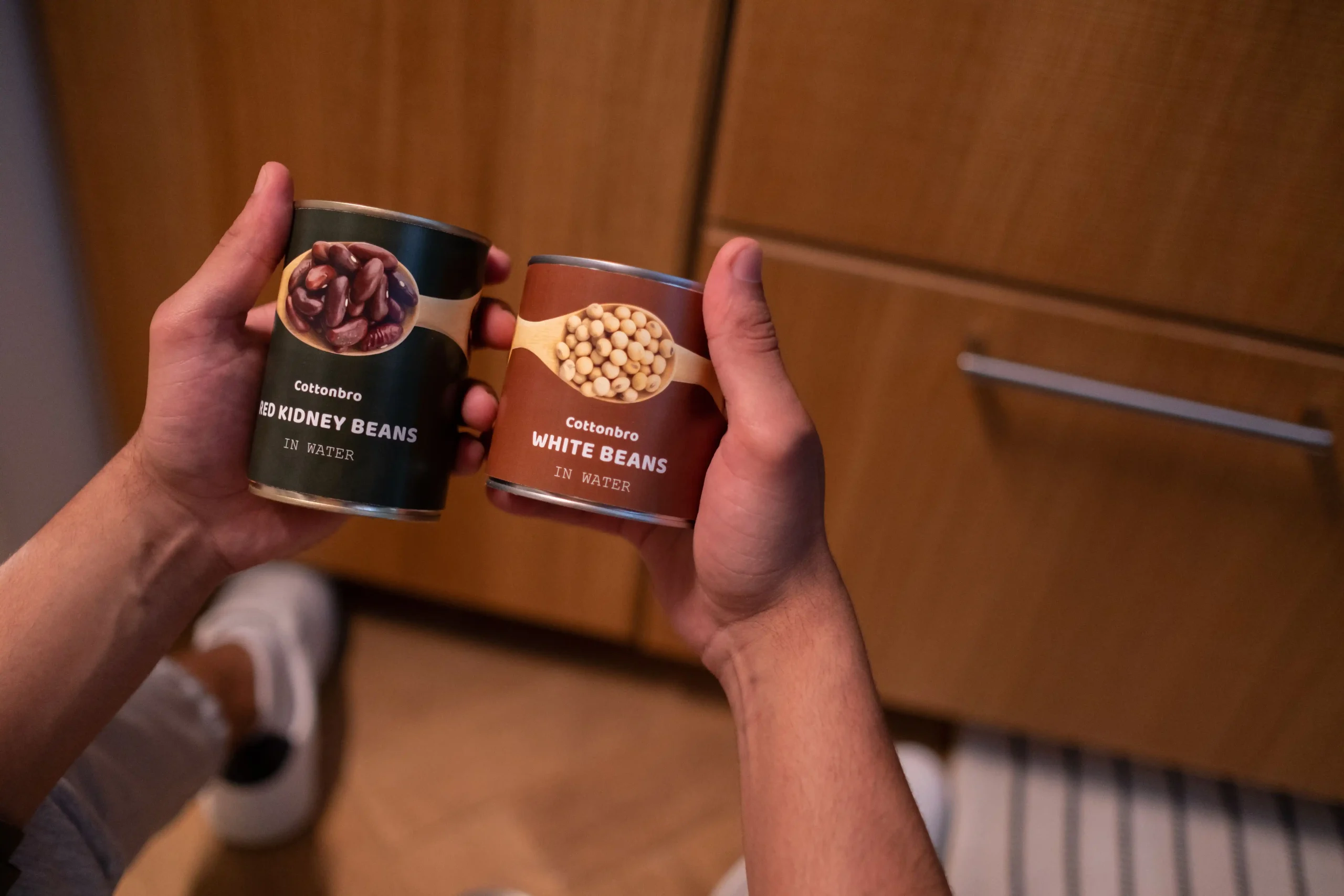
Canned kidney beans are different because they have already undergone commercial processing and are generally ready to eat after opening, although they should still be handled and stored appropriately.
The important lesson is that a healthy food can become a food safety concern when preparation instructions are ignored. Kidney beans do not need to be avoided. They simply need to be cooked properly.
2. Potatoes, Especially Green Potatoes
Potatoes are among the most common foods in kitchens around the world, but potatoes that have developed green coloring can contain elevated levels of naturally occurring glycoalkaloids, particularly solanine and chaconine. These compounds are part of the potato plant’s natural defenses.
Green coloring develops when potatoes are exposed to light. Sprouting and physical damage can also be associated with higher glycoalkaloid concentrations. Eating potatoes with high levels of these compounds may cause symptoms such as nausea, vomiting, abdominal discomfort, and other gastrointestinal problems.
One common misconception is that cooking automatically makes green potatoes safe. Glycoalkaloids are relatively resistant to ordinary cooking methods, so frying, boiling, or baking should not be considered a reliable way to eliminate high concentrations.
Proper storage can help prevent the problem. Potatoes should generally be stored in a cool, dry, dark place rather than exposed to sunlight or strong artificial light. If a potato has only a small area of green discoloration, removing the green portions and any sprouts may reduce exposure, but potatoes that are extensively green, bitter, or heavily sprouted are better discarded.
This is a good example of why food storage is just as important as cooking. Keeping ingredients in suitable conditions can help preserve both their quality and safety.
3. Cassava
Cassava, also known as yuca or manioc, is an important staple food in many parts of the world. It provides carbohydrates and can be a valuable part of a balanced diet. However, some varieties of cassava naturally contain cyanogenic compounds that can release hydrogen cyanide when the plant tissue is improperly processed.
The risk is particularly associated with consuming raw or inadequately processed cassava. Traditional preparation methods vary by region and may include peeling, soaking, fermenting, drying, and thorough cooking. These processes help reduce the cyanogenic compounds.
Cassava should therefore never be treated like a vegetable that can simply be peeled and eaten raw. Proper preparation is essential, particularly when dealing with varieties known to contain higher levels of cyanogenic compounds.
Food safety authorities have long emphasized the importance of appropriate processing when preparing cassava. This is especially relevant in communities where cassava is regularly eaten as a staple.
The takeaway is straightforward: cassava can be a perfectly normal food when correctly processed, but improper preparation can create a serious food safety risk.
4. Certain Wild Mushrooms
Mushrooms are another food where identification and preparation matter enormously. Many edible mushrooms are nutritious and delicious, but some wild mushrooms contain naturally occurring toxins that can cause severe illness or, in some cases, life-threatening poisoning.
One of the biggest mistakes is assuming that a wild mushroom is safe simply because it resembles a familiar edible variety. Some poisonous mushrooms look remarkably similar to edible species. Cooking, soaking, drying, or freezing does not necessarily destroy mushroom toxins, meaning that proper identification is more important than relying on a cooking method.
For this reason, people should be extremely cautious about eating wild mushrooms unless they have been reliably identified by a qualified expert. Purchasing mushrooms from reputable food retailers is generally a much safer option than collecting unfamiliar mushrooms from the wild.
Another misconception is that poisonous mushrooms can be identified through simple tricks, such as checking whether they change color, smell unpleasant, or react to silver objects. These methods are unreliable.
Mushroom poisoning can produce a wide range of symptoms, including gastrointestinal distress, neurological symptoms, liver damage, and other serious effects depending on the toxin involved. If someone becomes sick after eating a wild mushroom, seeking medical assistance or contacting a local poison control service promptly is important.
5. Rice and Other Cooked Starchy Foods
Cooked rice does not naturally become poisonous, but improper storage can allow harmful bacteria to multiply. One organism of particular concern is Bacillus cereus, which can survive in the form of spores and may be present in uncooked rice and other starchy foods.
The cooking process can kill many bacteria, but spores may survive. If cooked rice is then left at room temperature for an extended period, the spores can germinate and bacteria can multiply. Some strains can produce toxins that may cause food poisoning.
This is why the idea that “reheating rice makes it safe” is incomplete. Reheating may kill some bacteria, but it does not necessarily destroy toxins that may already have formed.
The safest approach is to handle cooked rice promptly after preparation. Instead of leaving a large pot of rice sitting at room temperature for hours, cool and refrigerate leftovers promptly in appropriate containers. Refrigerated leftovers should then be consumed within a safe timeframe and reheated thoroughly.
The same principle can apply to other cooked starchy foods, including pasta and some grain-based dishes. Good storage practices are essential even when the original cooking process was completely safe.
6. Leafy Greens and Other Vegetables That Are Spoiled or Improperly Stored
Leafy greens such as spinach, lettuce, kale, and other vegetables can become unsafe when contaminated or stored under poor conditions. Unlike foods containing natural toxins, the main concern here is usually microbial contamination rather than the vegetable suddenly producing a poison.
Fresh produce can become contaminated with bacteria such as Salmonella, E. coli, or other microorganisms during growing, harvesting, processing, transportation, or handling. Washing produce can reduce some contamination, but it does not guarantee that every harmful microorganism will be removed.
Storage also matters. Vegetables that are damaged, slimy, visibly moldy, or significantly spoiled should be handled carefully and, when appropriate, discarded. Keeping refrigerated produce at the proper temperature can slow bacterial growth and extend freshness.
Cross-contamination is another important issue. If raw meat, poultry, or seafood comes into contact with vegetables or food preparation surfaces, harmful bacteria can spread. Using separate cutting boards or thoroughly cleaning preparation surfaces between foods can help reduce this risk.
People sometimes assume that vegetables are automatically safe because they are healthy. Nutrition and food safety are separate issues. A food can be highly nutritious and still become unsafe through contamination or poor handling.
7. Garlic and Vegetables Stored Improperly in Oil
Garlic stored in oil is a popular ingredient for cooking, but homemade garlic-in-oil mixtures require special attention because of the risk of botulism. Clostridium botulinum spores can be found in the environment, including soil. When certain conditions are present, the bacteria can grow and produce botulinum toxin.
Oil creates a low-oxygen environment, and garlic can provide conditions that support the growth of C. botulinum if the mixture is stored improperly. The danger is particularly concerning because botulinum toxin cannot necessarily be detected through smell or appearance.
Homemade garlic-in-oil mixtures should therefore not be treated like ordinary cooking oil that can sit safely at room temperature for long periods. Commercially prepared products may use controlled processing and acidification methods designed to make them safer.
If you prepare garlic or herbs in oil at home, follow reliable food preservation guidance regarding preparation, refrigeration, and storage duration. When in doubt, it is safer to discard a questionable homemade mixture than to taste it to determine whether it is still good.
Botulism is rare but potentially severe. Symptoms can include weakness, difficulty seeing, difficulty swallowing, and difficulty breathing. Suspected foodborne botulism requires urgent medical attention.
Why Food Storage Matters as Much as Cooking
Many people think of food safety primarily as a cooking issue, but storage is equally important. Cooking can destroy many harmful microorganisms, yet food can become contaminated again afterward or provide an environment where surviving bacteria multiply.
Temperature is one of the most important factors. Perishable foods should not be left at room temperature for extended periods. Refrigeration slows the growth of many bacteria, while freezing can preserve food for longer periods when performed correctly.
Cross-contamination is another major concern. Raw meat, poultry, seafood, eggs, and their juices should be kept away from ready-to-eat foods. Hands, knives, cutting boards, countertops, and kitchen utensils can transfer microorganisms from one food to another.
Food packaging and expiration information also deserve attention. A damaged package, leaking container, swollen can, or food with unusual spoilage should be treated cautiously. However, it is important to remember that some harmful bacteria do not produce obvious changes in smell, taste, or appearance. Never rely on tasting questionable food as a safety test.
How to Reduce the Risk of Foodborne Illness
Preventing food-related illness does not require avoiding foods that have potential risks. Instead, it requires good food-handling habits. Start by washing your hands before preparing food and after handling raw meat, poultry, seafood, or eggs. Keep raw and cooked foods separated, use clean utensils, and wash appropriate fruits and vegetables under running water.
Cooking food thoroughly is also essential. Use a food thermometer when appropriate rather than relying solely on appearance. Different foods require different safe cooking temperatures, so following established food safety guidance is more reliable than guessing.
After cooking, refrigerate perishable leftovers promptly. Store food in clean, shallow containers when appropriate to help it cool more quickly. Keep your refrigerator at a safe temperature and avoid overcrowding it, which can interfere with proper cooling.
Finally, pay attention to unusual food conditions. Mold, excessive sliminess, unusual odors, damaged packaging, or other clear signs of spoilage are reasons to stop and assess whether the food should be discarded. When the safety of a food is genuinely uncertain, throwing it away is safer than taking a chance.
The Bottom Line on Foods That Can Become Toxic
The phrase “toxic food” can sound alarming, but the reality is more nuanced. Many foods discussed in food safety warnings are nutritious and routinely eaten around the world. The problem may come from a naturally occurring toxin, inadequate cooking, contamination, improper storage, or spoilage.
Kidney beans need thorough cooking, green potatoes may contain elevated levels of glycoalkaloids, cassava requires appropriate processing, and wild mushrooms require reliable identification. Cooked rice needs proper refrigeration, fresh produce requires careful handling, and homemade garlic-in-oil mixtures need special storage precautions.
Knowing these risks makes it easier to enjoy everyday foods safely rather than fearing them. Good food safety practices are simple habits that can make a significant difference: prepare foods correctly, prevent cross-contamination, refrigerate perishable foods promptly, and never assume that cooking or reheating can fix every food safety problem.
When it comes to food, safety begins long before the first bite. How an ingredient is grown, purchased, prepared, cooked, cooled, and stored can all affect whether it remains safe to eat.
Leave a Reply