
Food as Medicine: Everyday Ingredients That Naturally Support Healing and Wellness
Discover how common kitchen ingredients can act as natural medicine. Learn the science behind healing foods and how to use them for better health.
Introduction: Can Food Really Be Medicine?
The idea that food can heal the body isn’t new—it dates back thousands of years. In fact, the famous quote often attributed to Hippocrates, “Let food be thy medicine,” still resonates today as more people turn to natural ways to support their health.
Modern science is now catching up with what traditional cultures have long believed: what you eat plays a major role in how your body functions, heals, and protects itself.
From reducing inflammation to boosting immunity, everyday ingredients found in your kitchen may offer powerful health benefits—without the side effects often associated with synthetic medications.
What Does “Food as Medicine” Mean?
“Food as medicine” refers to using whole, nutrient-dense foods to prevent illness, manage symptoms, and support overall wellness.
Rather than relying solely on pharmaceuticals, this approach emphasizes:
- Prevention through proper nutrition
- Healing through natural compounds in food
- Supporting the body’s own repair systems
It doesn’t mean replacing medical treatment, but it complements modern healthcare by strengthening the body naturally.
The Science Behind Healing Foods
Many foods contain bioactive compounds—natural chemicals that affect how your body functions. These include:
- Antioxidants
- Anti-inflammatory compounds
- Vitamins and minerals
- Phytochemicals
These compounds can help reduce the risk of chronic diseases like heart disease, Type 2 diabetes, and even certain cancers.
Research shows that diets rich in fruits, vegetables, whole grains, and healthy fats are strongly linked to better long-term health outcomes.
Everyday Ingredients That Act Like Natural Medicine
Let’s take a closer look at some powerful foods you probably already have at home.
1. Ginger – Nature’s Anti-Inflammatory Root
ginger has been used for centuries to treat nausea, digestive issues, and inflammation.
Benefits:
- Helps relieve nausea and motion sickness
- Reduces muscle pain and soreness
- Supports digestion
It contains compounds called gingerols, known for their anti-inflammatory and antioxidant effects.
2. Garlic – A Natural Immune Booster
garlic is often referred to as a natural antibiotic due to its strong antibacterial and antiviral properties.
Benefits:
- Boosts immune system function
- May lower blood pressure
- Supports heart health
Garlic contains allicin, a compound linked to its healing properties.
3. Turmeric – The Golden Healer
turmeric is widely known for its active compound curcumin, which has powerful anti-inflammatory effects.
Benefits:
- Reduces inflammation
- Supports joint health
- May improve brain function
It is often used to help manage chronic inflammatory conditions.
4. Honey – Nature’s Soothing Remedy
honey is more than just a sweetener—it has natural antibacterial and healing properties.
Benefits:
- Soothes sore throats
- Helps heal wounds
- Acts as a natural cough suppressant
Raw honey contains antioxidants that support overall health.
5. Leafy Greens – Nutrient Powerhouses
Vegetables like spinach and kale are packed with vitamins, minerals, and antioxidants.
Benefits:
- Supports heart health
- Improves digestion
- Boosts immunity
They are rich in fiber and essential nutrients that your body needs daily.
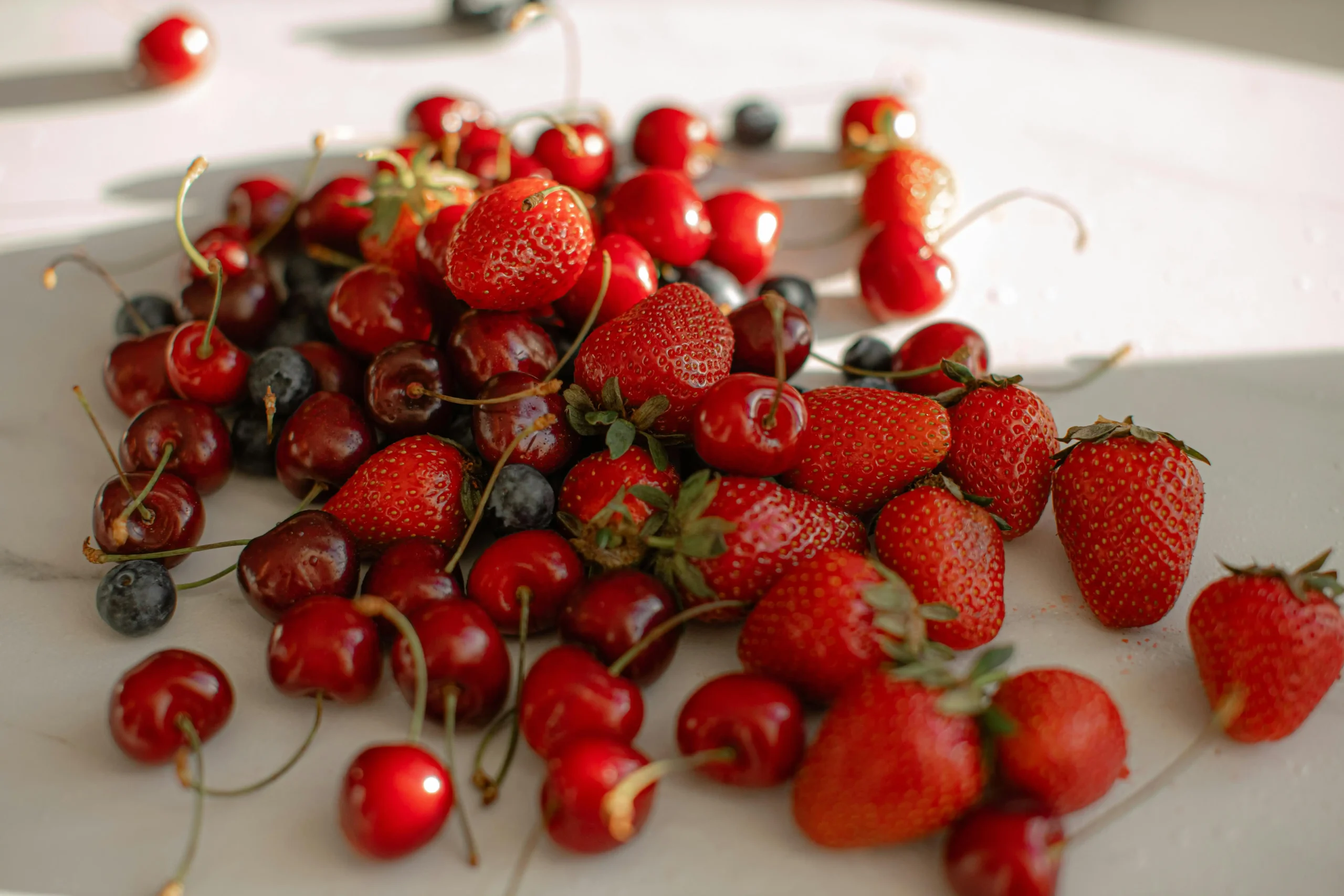
6. Berries – Small but Mighty
Fruits like blueberries and strawberries are loaded with antioxidants.
Benefits:
- Protect cells from damage
- Improve brain health
- Support skin health
Their high antioxidant content helps fight oxidative stress.
7. Oats – Heart-Healthy Comfort Food
oats are rich in soluble fiber, particularly beta-glucan.
Benefits:
- Lowers cholesterol levels
- Supports gut health
- Provides long-lasting energy
They are especially beneficial for maintaining heart health.
How to Start Using Food as Medicine
Incorporating healing foods into your daily routine doesn’t have to be complicated.
Simple Tips:
- Add ginger or turmeric to tea
- Use garlic in everyday cooking
- Snack on fruits like berries
- Replace processed foods with whole ingredients
- Eat more vegetables with every meal
Consistency is key. Small changes over time can lead to significant health improvements.
The Role of Diet in Preventing Chronic Disease
Poor diet is one of the leading causes of chronic illnesses worldwide.
Conditions like:
- obesity
- Type 2 diabetes
- heart disease
are strongly linked to what we eat daily.
By focusing on whole, natural foods, you can reduce your risk and support long-term wellness.
Food vs. Medicine: Do You Have to Choose?
It’s important to understand that food and medicine are not opposites—they work best together.
While medications are necessary for many conditions, a healthy diet can enhance their effectiveness and even reduce the need for them over time (under medical supervision).
Think of food as your first line of defense and medicine as your backup when needed.
Common Misconceptions About Food as Medicine
“Food can cure everything”
Not true. While food supports healing, it cannot replace all medical treatments.
“Healthy eating is expensive”
Many healing foods like oats, garlic, and leafy greens are affordable and accessible.
“You need supplements”
Whole foods often provide more benefits than isolated supplements.
Conclusion: Your Kitchen Is Your First Pharmacy
The concept of food as medicine empowers you to take control of your health in a simple, natural way.
By choosing nutrient-rich, whole foods, you’re not just feeding your body—you’re helping it heal, protect, and thrive.
Small daily choices can lead to long-term benefits, making your kitchen one of the most powerful tools for better health.
Leave a Reply