
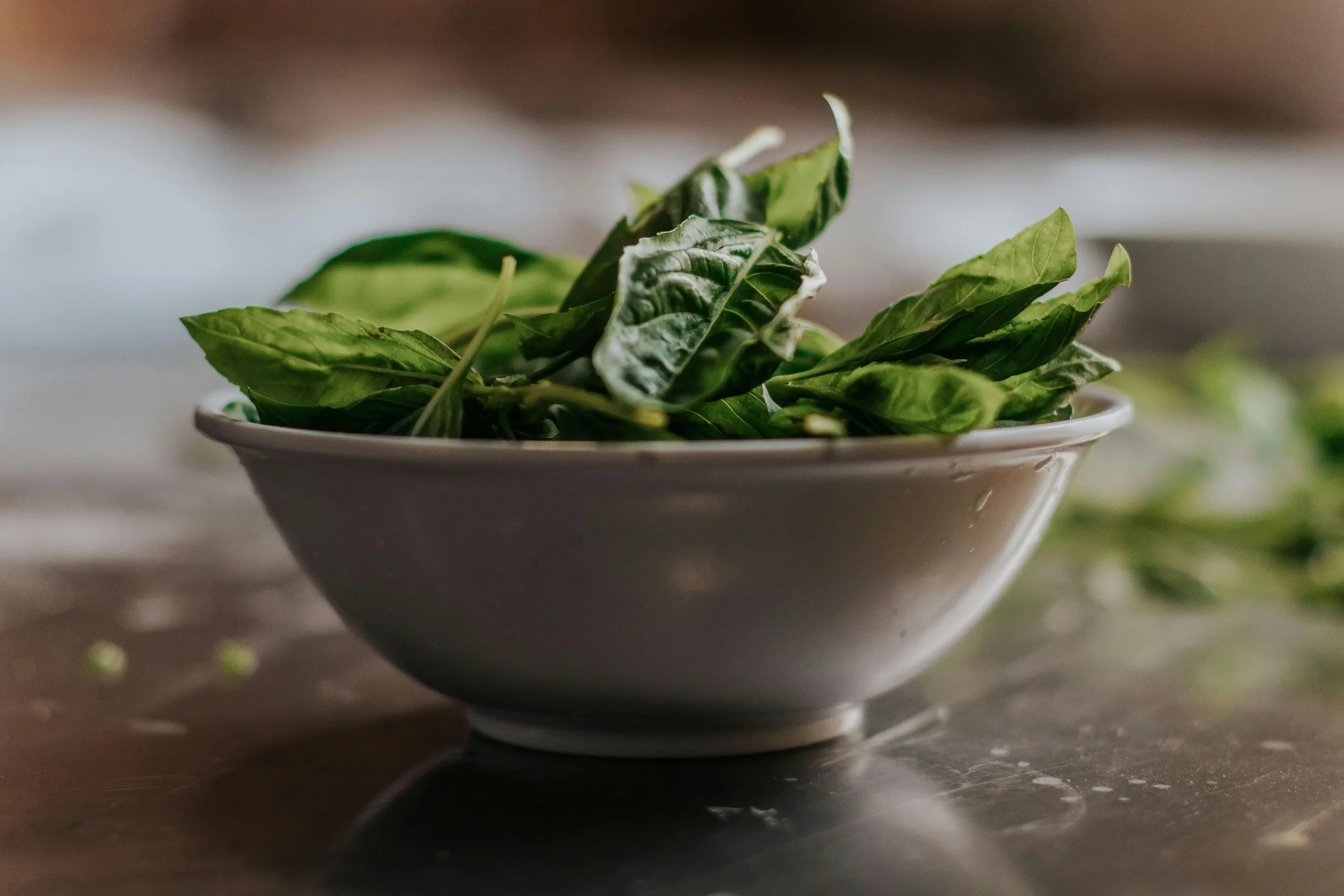
Spinach is more than just a leafy green often found in salads or smoothies; it is a powerhouse of nutrients that provide numerous health benefits. From boosting immunity to supporting heart health, spinach has long been regarded as a “food as medicine” by nutritionists and health experts. Its versatility in cooking, coupled with its nutrient density, makes it an essential addition to anyone’s diet. In this article, we explore why spinach is so beneficial for the body and how it works as a natural medicine.
The Nutritional Profile of Spinach
Spinach is low in calories but rich in vitamins, minerals, and antioxidants, which contribute to its medicinal properties. A single cup of raw spinach contains:
- Vitamin A – Supports vision, skin health, and immune function.
- Vitamin C – A powerful antioxidant that helps fight inflammation and strengthens the immune system.
- Vitamin K – Essential for blood clotting and bone health.
- Folate – Crucial for DNA synthesis and cellular repair.
- Iron – Supports red blood cell production and energy metabolism.
- Calcium – Strengthens bones and teeth.
- Magnesium – Helps regulate blood pressure, muscle and nerve function, and energy production.
- Potassium – Balances electrolytes and supports heart function.
Spinach also contains plant compounds such as flavonoids and carotenoids, which help protect the body from chronic diseases. This rich nutritional profile is why health experts often call spinach a “functional food,” meaning it offers health benefits beyond basic nutrition.
Spinach and Heart Health
Cardiovascular diseases are the leading cause of death worldwide, but spinach can play a preventive role. The leafy green is rich in nitrates, which help dilate blood vessels, improving blood flow and reducing blood pressure. Studies suggest that including nitrate-rich vegetables like spinach in the diet can lower the risk of hypertension and cardiovascular events.
Additionally, the antioxidants in spinach, such as vitamin C and beta-carotene, help prevent oxidative stress—a major contributor to heart disease. By reducing inflammation and supporting healthy cholesterol levels, spinach acts as a natural heart protector.
Spinach for Bone Strength
Many people overlook the importance of vitamin K for bone health, but spinach is an excellent source. Vitamin K is crucial for activating proteins that help bind calcium to bones, making them stronger and less prone to fractures. Combined with its calcium and magnesium content, spinach is a natural remedy for maintaining healthy bones and preventing conditions like osteoporosis.
Spinach and Eye Health
Spinach is rich in lutein and zeaxanthin, two antioxidants known for promoting eye health. These compounds accumulate in the retina and help protect against age-related macular degeneration and cataracts. Regular consumption of spinach has been linked to improved vision and a reduced risk of eye-related diseases, making it a natural medicine for maintaining eye health throughout life.
Spinach as an Anti-Inflammatory Food
Chronic inflammation is the root cause of many diseases, including diabetes, heart disease, and cancer. Spinach contains compounds like quercetin and kaempferol, which have potent anti-inflammatory effects. Incorporating spinach into your meals can help reduce inflammatory markers in the body, offering protection against a range of chronic conditions.
Spinach for Digestive Health
Spinach is an excellent source of dietary fiber, which is essential for maintaining a healthy digestive system. Fiber promotes regular bowel movements, prevents constipation, and supports gut health by feeding beneficial gut bacteria. A healthy gut is linked to improved immunity and even better mental health, demonstrating how spinach acts as medicine from the inside out.
Spinach and Weight Management
For those aiming to maintain or lose weight, spinach is an ideal addition to the diet. Low in calories and high in fiber, it promotes satiety, helping you feel full longer. The high nutrient density ensures that your body receives essential vitamins and minerals without excess calories. Spinach can be consumed in salads, smoothies, soups, or even as a cooked side dish to support a healthy weight management plan.
Spinach for Brain Health
Emerging research highlights the role of leafy greens like spinach in cognitive health. Spinach contains antioxidants, vitamin K, and folate, which support brain function and slow age-related cognitive decline. Regular consumption of spinach has been associated with improved memory, attention, and overall brain health, making it a natural ally for long-term cognitive wellness.
How to Incorporate Spinach Into Your Diet
To maximize the health benefits of spinach, it is important to include it in your daily meals. Here are some practical ways:
- Raw in Salads – Add fresh spinach leaves to your salads for a nutrient boost.
- Smoothies – Blend spinach with fruits like banana or berries for a delicious green smoothie.
- Soups and Stews – Stir in fresh or cooked spinach into soups for added vitamins and minerals.
- Sautéed Spinach – Quickly sauté spinach with garlic and olive oil for a simple and nutritious side dish.
- Egg Dishes – Add spinach to omelets or frittatas for a protein-rich, nutrient-dense breakfast.
Cooking spinach lightly can enhance the availability of certain nutrients like vitamin A and iron, while raw spinach preserves vitamin C content. Combining spinach with vitamin C-rich foods, such as citrus fruits, can improve iron absorption, making it even more beneficial for your health.
Spinach in Traditional and Modern Medicine
Historically, spinach has been used in traditional medicine for its healing properties. Ancient civilizations valued spinach for its ability to improve digestion, boost energy, and support overall wellness. Modern science confirms many of these traditional claims, showing that spinach can lower blood pressure, reduce inflammation, and protect against chronic diseases.
Precautions When Consuming Spinach
While spinach is highly nutritious, it contains oxalates, which can bind with calcium and form kidney stones in susceptible individuals. People with a history of kidney stones or certain metabolic conditions should moderate their intake and consult a healthcare professional. Additionally, washing spinach thoroughly is important to remove any pesticide residues and bacteria.
Conclusion
Spinach is more than just a leafy green; it is a potent superfood with remarkable health benefits. Rich in vitamins, minerals, and antioxidants, spinach supports heart health, bone strength, eye function, digestive health, brain performance, and weight management. Its anti-inflammatory and nutrient-dense properties make it a true example of food as medicine.
By incorporating spinach into your diet regularly—whether raw in salads, blended into smoothies, or lightly cooked—you can harness its healing power to improve overall well-being. As modern science continues to explore the medicinal benefits of plant-based diets, spinach remains a shining example of how simple foods can have profound effects on health. Adding spinach to your meals is not just a dietary choice; it is an investment in your long-term health and vitality.
References
- National Institutes of Health. “Spinach: Nutrition, Benefits, and How to Use.” NIH Office of Dietary Supplements. https://ods.od.nih.gov/factsheets/Spinach-Consumer/
- Harvard T.H. Chan School of Public Health. “Vegetables and Fruits.” The Nutrition Source. https://www.hsph.harvard.edu/nutritionsource/vegetables-and-fruits/
- U.S. Department of Agriculture (USDA). “FoodData Central: Spinach, Raw.” https://fdc.nal.usda.gov/fdc-app.html#/food-details/170379/nutrients
- Li, Y., et al. (2020). “Dietary Nitrate from Vegetables Reduces Blood Pressure: A Meta-Analysis.” Journal of Clinical Hypertension, 22(7), 1233–1241.
- Mares, J. A., et al. (2017). “Lutein and Zeaxanthin and Age-Related Eye Disease.” American Journal of Clinical Nutrition, 105(3), 750–761.
- Liu, R. H. (2013). “Health-Promoting Components of Fruits and Vegetables in the Diet.” Advances in Nutrition, 4(3), 384S–392S.
- Slavin, J. (2013). “Fiber and Prebiotics: Mechanisms and Health Benefits.” Nutrients, 5(4), 1417–1435.
- Blekkenhorst, L. C., et al. (2018). “Leafy Green Vegetable Intake and Cognitive Function in Older Adults.” Nutrients, 10(12), 1802.
- Food and Agriculture Organization of the United Nations (FAO). “Spinach: A Superfood for Health.” FAO Nutrition Factsheets. http://www.fao.org/nutrition/education/food-dietary-guidelines/
Leave a Reply