
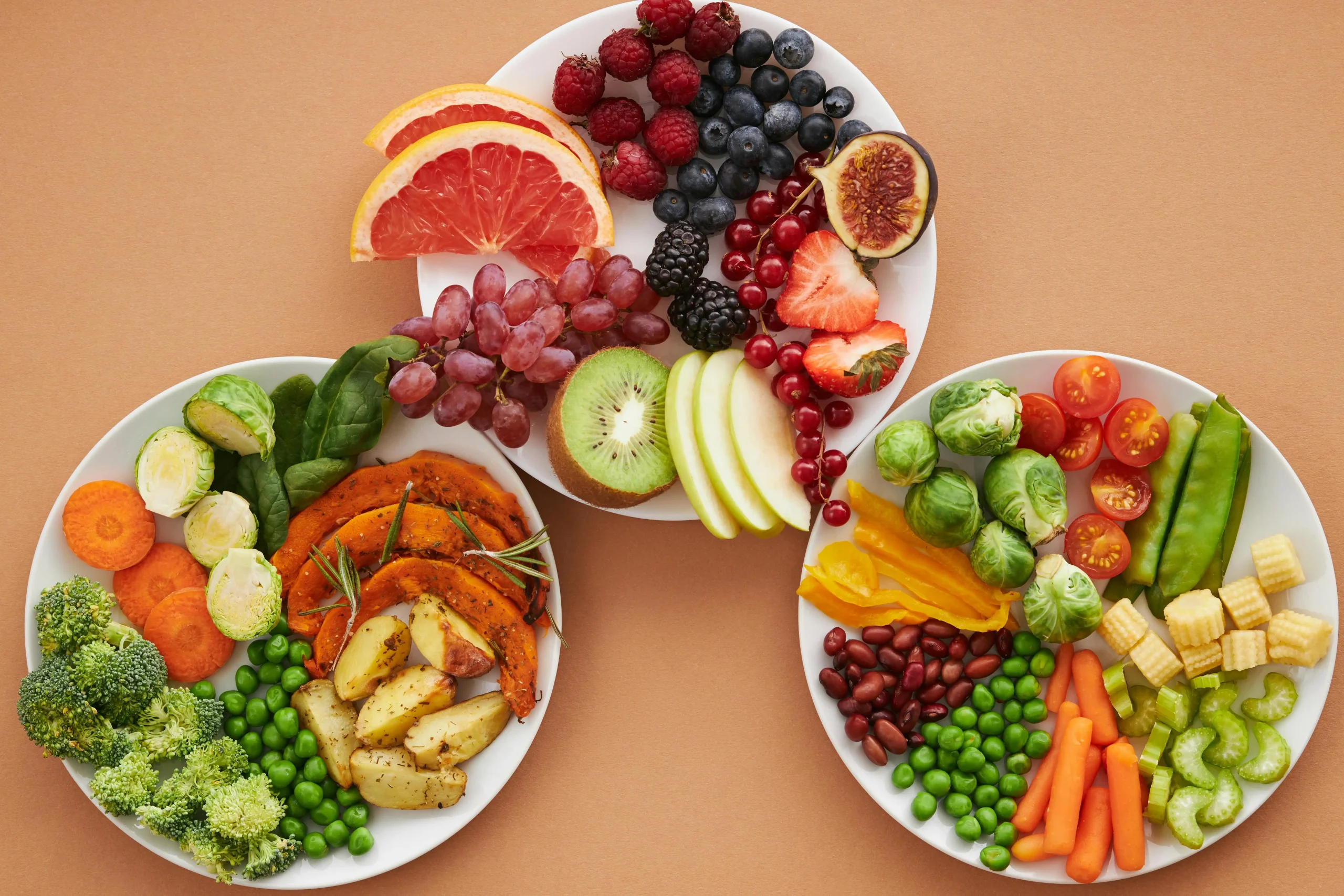
Introduction: The Connection Between Food and Cancer Health
Cancer is one of the most challenging health conditions affecting people worldwide. While it is influenced by many factors such as genetics, environment, and lifestyle, growing research continues to highlight the important role of nutrition in overall health and disease prevention. Food does not function as a cure for cancer, but it can play a meaningful role in supporting the body before, during, and after treatment.
An anti-cancer diet is not a strict medical prescription. Instead, it is a way of eating that focuses on nutrient-rich, whole foods that may help strengthen the immune system, reduce inflammation, and support healthy cell function. These dietary patterns are often associated with lower risks of chronic diseases, including certain types of cancer.
This guide explores foods that may help reduce cancer risk and support recovery, while also explaining how diet interacts with overall health. It is intended for educational purposes and should not replace professional medical advice.
Understanding How Diet May Influence Cancer Risk
Diet is not the sole cause of cancer, but it can influence several biological processes in the body. One of the most important is inflammation. When inflammation becomes chronic, it may contribute to cellular damage over time. Certain foods help reduce inflammation, while others may increase it when consumed excessively.
Another important factor is oxidative stress. This occurs when free radicals damage cells faster than the body can repair them. Foods rich in antioxidants may help neutralize these free radicals and support cellular protection.
The immune system is also closely connected to nutrition. A well-nourished body is better equipped to detect and manage abnormal cell activity. In addition, gut health plays a significant role in immunity and inflammation regulation, making fiber-rich foods an essential part of a healthy diet.
Hormonal balance is another area where diet can have an influence. Some cancers are linked to hormonal activity, and certain foods may support more balanced hormone function.
Leafy Green Vegetables and Cellular Protection
Leafy green vegetables are among the most nutrient-dense foods available. Spinach, kale, arugula, and Swiss chard provide essential vitamins such as folate, vitamin C, and vitamin K, along with powerful plant compounds that support overall health.
These vegetables are often associated with improved detoxification processes in the body. They also contain antioxidants that may help protect cells from damage caused by environmental stress and internal metabolic processes. Regular consumption of leafy greens is widely encouraged in most healthy eating patterns.
Cruciferous Vegetables and Natural Detox Support
Cruciferous vegetables such as broccoli, cauliflower, cabbage, and Brussels sprouts are especially well known in nutrition research. These vegetables contain natural compounds called glucosinolates, which break down into biologically active substances that support the body’s detoxification pathways.
Broccoli contains sulforaphane, a compound that has been widely studied for its potential protective effects on cells. These vegetables are also high in fiber, which supports digestive health and helps maintain a healthy gut environment. Including them regularly in meals is considered beneficial for long-term wellness.
Fruits Rich in Antioxidants and Natural Protection
Fruits such as berries, grapes, apples, and pomegranates are rich in antioxidants and plant nutrients that support cellular health. Blueberries, strawberries, raspberries, and blackberries contain anthocyanins, which give them their deep color and contribute to their antioxidant activity.
These fruits may help reduce oxidative stress and support the body’s natural defense systems. They are also rich in fiber, which supports digestion and gut health. In addition, their natural sweetness makes them a healthier alternative to processed sugary snacks.
Garlic, Onions, and Immune Support
Garlic and onions belong to the allium family of vegetables, which have been valued for both culinary and traditional wellness purposes. These foods contain sulfur compounds that may support immune function and the body’s natural detoxification processes.
Garlic contains a compound called allicin, which forms when it is chopped or crushed. This compound has been studied for its antioxidant and antimicrobial properties. Regular inclusion of garlic and onions in cooking not only enhances flavor but also increases nutritional value.
Tomatoes and Lycopene for Cellular Health
Tomatoes are a rich source of lycopene, a powerful antioxidant responsible for their red color. Lycopene has been studied for its potential role in supporting cellular health and reducing oxidative stress in the body.
Cooked tomato products such as tomato sauce and tomato paste may provide even higher levels of absorbable lycopene compared to raw tomatoes. This makes them a valuable addition to a balanced diet focused on whole foods.
Turmeric and Anti-Inflammatory Properties
Turmeric is a bright yellow spice commonly used in cooking and traditional wellness practices. It contains curcumin, a compound known for its anti-inflammatory and antioxidant properties.
Curcumin has been widely researched for its potential effects on inflammation pathways in the body. While it is not a treatment for disease, it may support overall wellness when included as part of a healthy diet. Its absorption can be improved when combined with black pepper, which contains piperine.
Healthy Fats from Fish, Nuts, and Seeds
Fatty fish such as salmon, sardines, and mackerel are rich in omega-3 fatty acids, which are important for reducing inflammation and supporting heart and brain health. For individuals who do not consume fish, plant-based sources such as walnuts, flaxseeds, and chia seeds provide similar benefits.
Nuts and seeds also supply fiber, protein, and essential nutrients that support overall cellular function. These foods are energy-dense, so portion awareness is important, but they remain a valuable part of a balanced diet.
Whole Grains and Digestive Health
Whole grains such as oats, brown rice, quinoa, and whole wheat provide fiber, vitamins, and minerals that support digestive health. Fiber plays a key role in maintaining gut function and supporting the natural elimination of waste products from the body.
Replacing refined grains with whole grains is a simple dietary change that may improve long-term health outcomes and support a more stable energy balance throughout the day.
Green Tea and Natural Antioxidants
Green tea is widely consumed for its potential health benefits. It contains catechins, particularly epigallocatechin gallate, which is a powerful antioxidant compound.
These compounds may help reduce oxidative stress in the body and support cellular health. Drinking green tea regularly as part of a balanced diet may contribute to overall wellness, especially when combined with other nutrient-rich foods.
Foods That Should Be Limited for Better Health
While focusing on beneficial foods is important, limiting certain types of foods is also part of an anti-cancer dietary approach. Highly processed meats such as bacon, sausages, and hotdogs are often associated with increased health risks when consumed frequently.
Foods high in added sugar may contribute to inflammation and weight gain, which can indirectly affect overall health. Similarly, ultra-processed foods often contain additives and unhealthy fats that offer little nutritional value.
Alcohol is another factor that should be consumed cautiously, as excessive intake has been linked to increased risk for several health conditions.
Lifestyle Factors That Enhance Nutritional Health
Diet works best when combined with other healthy lifestyle habits. Regular physical activity supports immune function and helps maintain a healthy weight. Proper hydration is essential for digestion and cellular function.
Stress management is also important, as chronic stress can affect immune balance and overall health. Adequate sleep allows the body to repair and regenerate, making it a critical component of recovery and wellness.
Can Food Prevent or Cure Cancer
It is important to clarify that no single food or diet can prevent or cure cancer. However, nutrition can support the body in many meaningful ways. A balanced diet may help strengthen the immune system, improve energy levels, support recovery during treatment, and reduce risk factors associated with chronic disease.
Medical treatment should always be guided by healthcare professionals, while nutrition can serve as a supportive lifestyle factor.
Final Thoughts
An anti-cancer diet is not about restriction or fear of food. It is about building a sustainable and nourishing way of eating that supports long-term health. Focusing on whole, natural foods such as fruits, vegetables, whole grains, and healthy fats can provide the body with essential nutrients it needs to function optimally.
Small, consistent dietary changes can have a meaningful impact over time. While food is not a cure, it is one of the most powerful tools for supporting overall wellness and resilience.
References
World Health Organization – Cancer Prevention and Healthy Living Guidance
American Cancer Society – Nutrition and Physical Activity for Cancer Prevention
Harvard T.H. Chan School of Public Health – Diet and Chronic Disease Research
National Cancer Institute – Antioxidants and Cancer Research Information
Mayo Clinic – Cancer Prevention and Healthy Lifestyle Information
Leave a Reply