
Inflammation is something most people don’t think about until their body starts showing signs of discomfort. It can appear as constant fatigue, bloating, brain fog, slow digestion, skin breakouts, or even unexplained weight gain. While inflammation is a natural process in the body, it becomes a problem when it stays active for too long. This is called chronic inflammation, and it quietly affects your energy, mood, and long-term health.
One of the most powerful ways to manage it is through food. What you eat every day can either fuel inflammation or help calm it down. This is where anti-inflammatory foods come in. These are natural, nutrient-dense foods that support healing, improve digestion, and help restore steady energy levels throughout the day.
Instead of extreme diets or complicated rules, anti-inflammatory eating is about consistency—choosing foods that work with your body instead of against it.
Understanding What Inflammation Really Does to Your Body
Inflammation is your body’s defense system. When you get injured or sick, your immune system activates to protect and heal you. That short-term response is healthy and necessary. The issue begins when inflammation doesn’t turn off properly and becomes chronic.
When this happens, your body stays in a constant low-level state of stress. Over time, this can lead to fatigue that doesn’t go away even after rest, frequent digestive issues, sluggish metabolism, and difficulty focusing.
Common triggers of chronic inflammation often come from daily habits such as eating too much processed food, consuming excess sugar, not sleeping well, or dealing with ongoing stress. Even a sedentary lifestyle can contribute to it.
The important thing to understand is that inflammation is not just a medical concept—it’s something influenced by everyday choices, especially food.
How Food Becomes Either Medicine or Fuel for Inflammation
Every meal you eat sends signals to your body. Some foods help reduce stress in your system, while others increase it.
Highly processed foods, sugary snacks, fried items, and refined carbohydrates can cause blood sugar spikes and internal stress responses. Over time, this keeps your body in a cycle of inflammation and energy crashes.
On the other hand, whole foods rich in vitamins, minerals, antioxidants, and healthy fats help calm that response. They support cell repair, balance blood sugar, and improve gut health—all of which reduce inflammation naturally.
This is why people often notice that when they clean up their diet, their energy improves, their skin clears up, and they feel lighter overall. It’s not just weight loss—it’s reduced internal stress.
The Power of Anti-Inflammatory Foods
Anti-inflammatory foods are not “superfoods” in a trendy sense. They are simply real, whole foods that help your body function better.
Fruits like berries, oranges, and papaya are packed with antioxidants that fight cell damage. Leafy greens like spinach and kale support detoxification and provide essential vitamins that your body needs for repair.
Healthy fats from avocados, nuts, seeds, and olive oil help protect your cells and support brain health. Fatty fish like salmon and sardines provide omega-3 fatty acids, which are known to reduce inflammation throughout the body.
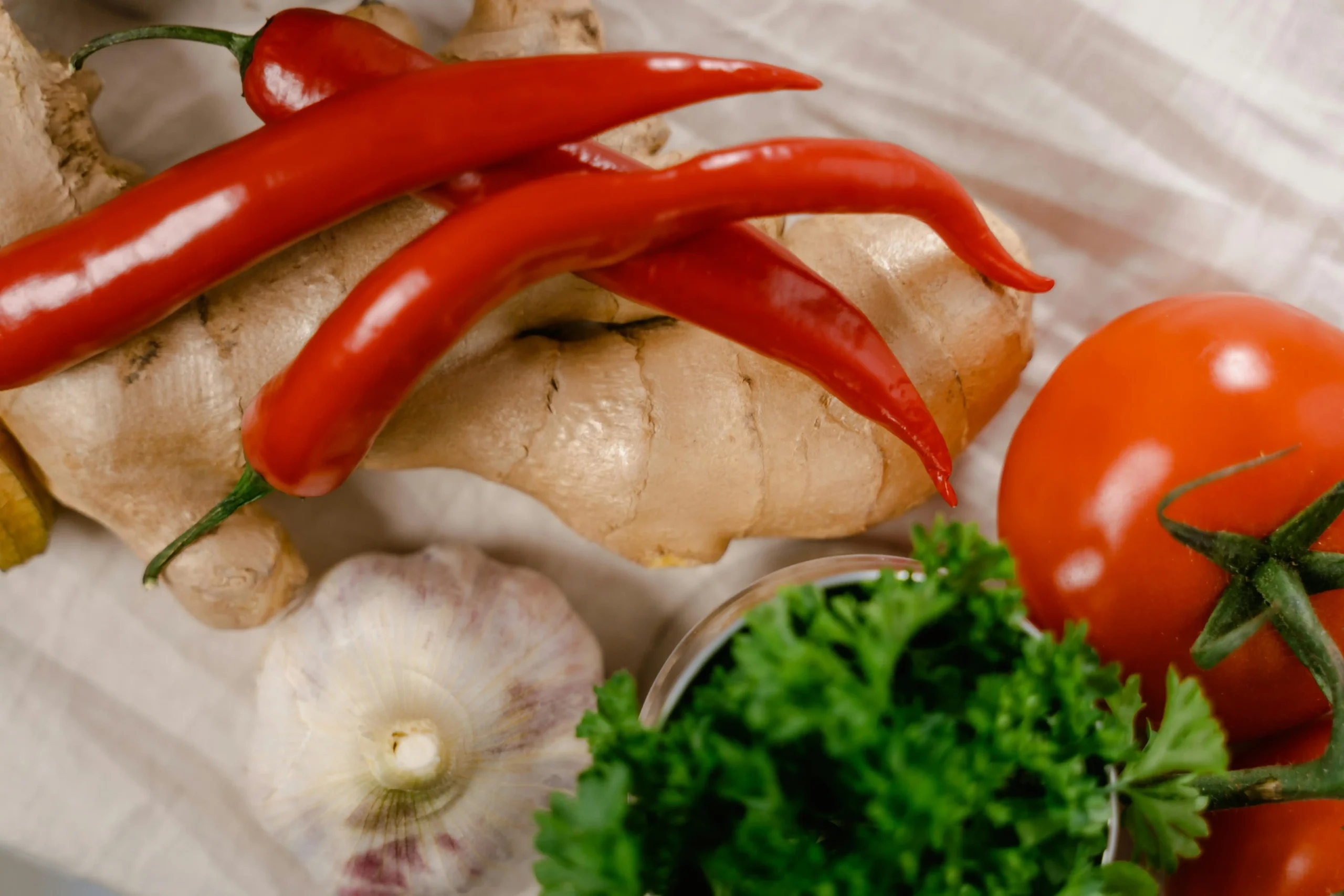
Even simple ingredients like garlic, ginger, turmeric, and cinnamon play a powerful role. These spices contain natural compounds that help calm the immune system and improve circulation.
What makes these foods so effective is not just one nutrient, but the combination of vitamins, minerals, fiber, and antioxidants working together.
Why Anti-Inflammatory Eating Helps Reduce Fatigue
One of the biggest benefits people notice when they shift toward anti-inflammatory foods is improved energy. Chronic inflammation drains your body because it forces your immune system to stay active all the time. That constant internal stress uses up energy that should be available for daily life.
When inflammation decreases, your body no longer has to fight that internal battle. Blood sugar becomes more stable, digestion improves, and your cells function more efficiently.
This is why many people who switch to a cleaner diet report waking up less tired, experiencing fewer energy crashes, and feeling more mentally alert throughout the day.
Fatigue is often not just about sleep—it’s also about how much inflammation your body is dealing with internally.
The Gut Connection Most People Ignore
Your gut plays a major role in inflammation. In fact, a large portion of your immune system is located in your digestive tract. When your gut is healthy, your body can regulate inflammation more effectively.
However, when your gut is irritated by processed food, sugar, or poor dietary habits, it can lead to bloating, low energy, food sensitivities, and even mood changes.
Anti-inflammatory foods help restore balance in the gut by feeding good bacteria and reducing irritation in the digestive lining. Fiber-rich foods like vegetables, fruits, and whole grains are especially important because they support healthy digestion and regular elimination of waste.
Fermented foods like yogurt also contribute to gut health by introducing beneficial bacteria that support your immune system.
When your gut is balanced, your entire body feels more stable and energized.
Simple Ways to Eat Anti-Inflammatory Without Overthinking
One of the biggest misconceptions is that eating healthy is complicated. In reality, anti-inflammatory eating can be very simple.
Breakfast can be as easy as oatmeal topped with fruit and seeds, or eggs cooked with vegetables and avocado. Lunch might include grilled fish or chicken with brown rice and steamed vegetables. Dinner can be a warm bowl of soup with turmeric, garlic, and leafy greens.
Snacks don’t need to be processed either. Nuts, fruits, or yogurt are simple options that support your body instead of stressing it.
The goal is not perfection but consistency. You don’t need to remove every “bad” food overnight. What matters most is building a pattern of better choices over time.
What to Reduce Without Feeling Restricted
To get the most out of an anti-inflammatory approach, it helps to reduce foods that increase inflammation. These include sugary drinks, heavily processed snacks, fried foods, and refined carbohydrates.
Instead of thinking of it as restriction, it’s more helpful to think of it as balance. You are not removing enjoyment—you are adding more foods that make you feel better.
When your body feels better, cravings often naturally decrease because your blood sugar and energy become more stable.
The Lifestyle Factor That Works With Food
Food is powerful, but it works best when combined with supportive lifestyle habits. Getting enough sleep, managing stress, staying active, and drinking enough water all help reduce inflammation further.
Stress in particular plays a major role. Even if you eat well, high stress levels can keep inflammation elevated. This is why relaxation, movement, and rest are just as important as diet.
When these habits work together, your body has a much easier time staying balanced.
What Happens When You Stay Consistent
The effects of anti-inflammatory eating are not instant, but they are noticeable over time. After a few weeks, many people report more stable energy levels and better digestion. After a few months, improvements in skin, mood, and immunity often become more visible.
Long-term, this way of eating can support healthier aging, reduced risk of chronic illness, and a more balanced daily life.
The biggest change is not just physical—it’s how you feel every day. Less heaviness, less fatigue, and more steady energy.
Final Thoughts
Anti-inflammatory foods are not about strict rules or complicated diets. They are about returning to simple, natural eating that supports the body instead of stressing it.
When you consistently choose whole foods over processed ones, your body responds in powerful ways. Energy improves, digestion becomes smoother, and fatigue slowly decreases.
It’s not about being perfect. It’s about making better choices most of the time and allowing your body to heal naturally through food.
If you start small—adding more fruits, vegetables, healthy fats, and whole foods into your meals—you will begin to notice the difference. Over time, these small changes build into a stronger, healthier, and more energized version of you.
Leave a Reply