
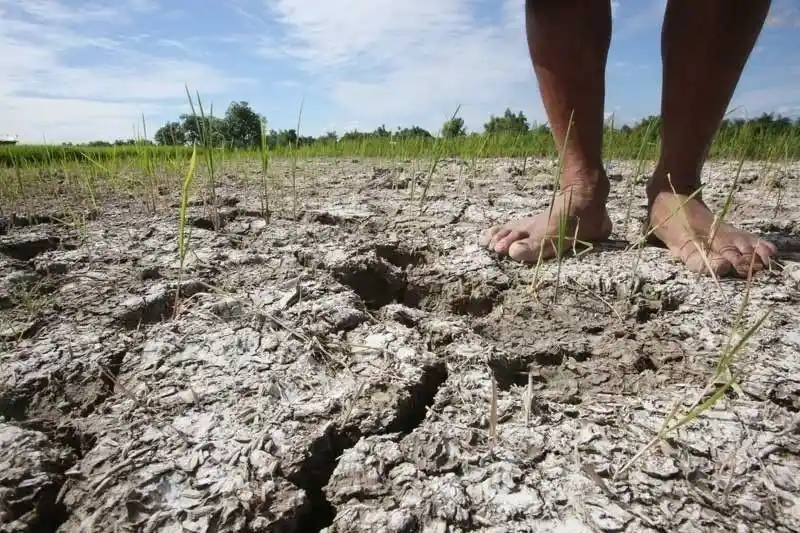
The El Niño 2026 warning is becoming increasingly serious as international health and weather organizations prepare for what could become a very strong El Niño event. The climate phenomenon is already raising concerns about extreme heat, drought, flooding, food insecurity and the spread of infectious diseases across vulnerable parts of the world. The World Meteorological Organization has reported that El Niño is expected to strengthen significantly in the coming months, with an exceptionally high likelihood that the event will continue into early 2027.
While El Niño is a naturally occurring climate pattern, its effects can reach far beyond the tropical Pacific Ocean. Changes in ocean temperatures can influence rainfall, temperature and weather patterns across different continents. Depending on the region, communities may experience prolonged drought, intense heat, heavy rainfall or flooding. These environmental changes can then create a chain reaction affecting food production, water supplies, public health and household finances.
The World Health Organization and WMO are now urging governments and communities to prepare before the most severe impacts arrive. The warning is not simply about hotter temperatures. Health officials are also concerned about malnutrition, cholera, mosquito-borne illnesses and interruptions to essential health services.
What Is El Niño and Why Is El Niño 2026 Different?
El Niño is the warm phase of the El Niño-Southern Oscillation, commonly known as ENSO. It begins with unusually warm ocean temperatures in parts of the tropical Pacific, but its influence can spread through atmospheric circulation and affect weather patterns in distant regions.
El Niño does not produce identical conditions everywhere. Some areas can experience drought and extreme heat while other regions receive unusually heavy rainfall. This makes the phenomenon especially challenging because there is no single global El Niño weather pattern.
The 2026 event has attracted particular attention because forecasts indicate that it could reach very strong intensity. The WMO said in September that there was an exceptionally high likelihood, close to 100 percent, that El Niño would persist through February 2027. The organization also expects the event to peak toward the end of 2026, although the exact effects will differ from one region to another.
That uncertainty is important. A strong El Niño does not automatically mean that every country will experience extreme heat or food shortages. Local geography, existing climate conditions, infrastructure, economic stability and preparedness all influence the eventual outcome.
However, where communities are already dealing with drought, poverty, conflict or weak health systems, even another major climate shock can have serious consequences.
Extreme Heat Could Become a Major Health Threat
One of the biggest concerns surrounding El Niño 2026 is extreme heat. Rising temperatures can affect people directly through heat exhaustion, dehydration and heatstroke, but the consequences can extend much further.
People who work outdoors, older adults, young children and individuals without reliable access to cooling or clean water can be particularly vulnerable during prolonged periods of high temperatures. Extreme heat can also put additional pressure on hospitals and other health services as more people seek treatment for heat-related illnesses.
The WMO has warned that the strengthening El Niño could contribute to increased risks of extreme heat, drought and flooding. Health authorities are encouraging countries to use climate forecasts as an early warning system rather than waiting until conditions become dangerous.
Extreme heat can also affect agriculture. Crops need suitable temperatures and adequate water to grow. When temperatures become too high and rainfall is limited, farmers can face reduced harvests, livestock losses and deteriorating soil and water conditions.
This creates a connection between heat and food security. A hotter environment can make it harder to produce food at the same time that households may already be dealing with higher prices.
El Niño and the Risk of Food Shortages
Food security is one of the most significant concerns associated with the El Niño 2026 warning. The World Food Programme describes El Niño as one of the major drivers capable of influencing global weather, climate conditions and hunger. Drought can reduce crop production in some regions, while flooding can destroy farms, livestock, roads, storage facilities and markets in others.
The problem does not necessarily stop at the farm. When harvests decline, food supplies can become tighter. Transportation may also be disrupted by flooding or damaged infrastructure. Higher production and transportation costs can eventually contribute to rising food prices.
For families already living with food insecurity, even a moderate increase in prices can make nutritious food harder to afford.
The WMO has reported that more than 150 million people are already experiencing acute food insecurity worldwide. Climate-related shocks could add pressure to populations that are already struggling to obtain enough food.
The World Food Programme has also warned that El Niño conditions could worsen food insecurity in vulnerable regions. The organization says early action, including assistance before disasters occur, can help reduce humanitarian needs.
This is why the impact of El Niño cannot be measured only by temperature records. A drought that damages crops can eventually affect grocery prices, household nutrition and local economies thousands of miles away.
Disease Risks Could Increase
Another major concern is the connection between El Niño and infectious diseases.
Changes in temperature and rainfall can alter the environments where mosquitoes and other disease-carrying organisms thrive. The WMO and WHO have identified mosquito-borne diseases including malaria, dengue, chikungunya, yellow fever and Zika among the health concerns that could increase in some areas as climate conditions change.
Flooding can create additional challenges by contaminating drinking water and damaging sanitation systems. This can increase the risk of water-borne diseases, including cholera, particularly in communities where clean water and sanitation infrastructure are already limited.
Drought presents a different set of health challenges. When water becomes scarce, families may have to rely on unsafe sources or reduce water use for hygiene and sanitation. Poor nutrition can further weaken people’s ability to cope with illness.
Importantly, health agencies are not suggesting that El Niño will automatically cause disease outbreaks everywhere. The risk depends on local environmental conditions, disease surveillance, health infrastructure and access to preventive services.
WHO’s 2026 public health assessment emphasizes the need for country-specific risk assessments and preparedness because the health consequences of El Niño can vary considerably from one location to another.
Children and Vulnerable Communities Face Greater Risks
Children are among the groups that could face some of the most serious consequences of El Niño 2026.
UNICEF reported that more than 162 million children in Eastern and Southern Africa, representing more than two-thirds of children in the region, live in areas exposed to the impacts of the strengthening 2026–2027 El Niño. The organization warned that drought, extreme heat and flooding could threaten children’s nutrition, health, access to safe water, education and safety.
Children are particularly vulnerable because food shortages can quickly contribute to malnutrition, while unsafe water can increase the risk of disease. Extreme weather can also interrupt schooling when schools are damaged, families are displaced or children must travel farther to find water and other essential resources.
The situation is not limited to Africa. UNICEF has also estimated that at least 25.8 million children in Latin America and the Caribbean are exposed to areas facing severe El Niño-related drought or flooding risks. The agency warned that these conditions could disrupt access to food, water, health services and education.
These figures demonstrate why climate preparedness is also a child protection issue. The effects of a climate event can influence a child’s health and development long after the initial drought, flood or heatwave has ended.
El Niño Could Affect Water Supplies
Water security is another major issue connected to El Niño 2026.
Drought can reduce the availability of water for households, agriculture and livestock. When reservoirs, rivers and groundwater supplies decline, communities may have to compete for limited resources.
Flooding presents the opposite problem. Too much water arriving too quickly can overwhelm drainage systems, contaminate drinking water and damage treatment facilities. Floods can also make it difficult for health workers and humanitarian organizations to reach affected communities.
This combination makes El Niño especially challenging. The same global climate phenomenon can contribute to water shortages in one region and destructive flooding in another.
The World Health Organization has highlighted water security, nutrition and vector-borne disease as important concerns alongside temperature changes.
The Impact Could Be Worse Where Health Systems Are Already Weak
The consequences of El Niño are not evenly distributed.
A wealthy community with strong infrastructure, reliable water supplies, functioning hospitals and effective early-warning systems may be able to respond to extreme weather more successfully than a community already facing poverty, displacement or conflict.
WHO has described El Niño as a risk multiplier, noting that the most severe health impacts are expected where climate shocks overlap with weak health systems, limited access to healthcare, food insecurity, displacement and humanitarian crises.
This is particularly important when considering food shortages. A drought alone may not create a major hunger crisis. But if drought occurs in an area already affected by conflict, high food prices, displacement and limited agricultural resources, the consequences can become much more severe.
Somalia provides an example of how these risks can overlap. In September, the WHO-supported health information network reported that 5.4 million people in Somalia were projected to face crisis-level hunger or worse between October and December 2026, while anticipated El Niño-related flooding was expected to further complicate the situation.
What Governments Can Do Before the Worst Impacts Arrive
One of the most important messages from international organizations is that governments do not have to wait until a disaster happens before responding.
Early warning systems can help communities prepare for heatwaves, droughts and flooding. Health agencies can increase disease surveillance, protect medical supplies and prepare hospitals for possible increases in patients.
Farmers can also benefit from advance information. Depending on local conditions, preparedness measures may include adjusting planting schedules, protecting livestock, conserving water or choosing crops better suited to expected conditions.
Food assistance can be delivered before communities reach emergency levels of hunger. Governments and humanitarian organizations can also strengthen water systems, sanitation services and emergency response plans.
The WMO has emphasized that there is still time to act before El Niño reaches its expected peak.
This advance warning is one of the most valuable aspects of climate forecasting. It gives governments and communities an opportunity to prepare rather than simply react.
What El Niño 2026 Means for the Rest of the World
Even people living far from areas expected to experience the worst effects may eventually feel the consequences of El Niño.
Agricultural disruptions can influence international food markets. Flooding can interrupt transportation and supply chains. Drought can affect commodities, energy production and water availability. Health emergencies can also place additional pressure on humanitarian organizations and healthcare systems.
However, it is important not to assume that every extreme weather event in 2026 is directly caused by El Niño. Weather is influenced by many factors, and international agencies are careful to distinguish between conditions associated with El Niño and events that have other causes.
The more accurate way to understand El Niño is as a climate risk that can increase the probability or intensity of certain weather patterns in particular regions.
Preparing for a Potentially Difficult 2026–2027
The El Niño 2026 warning is ultimately a warning about preparedness.
The event is expected to strengthen and potentially reach very strong intensity toward the end of 2026, with effects continuing into 2027. The biggest concerns include extreme heat, drought, flooding, food insecurity, water shortages and infectious diseases.
For vulnerable communities, these risks can quickly become interconnected. A drought can reduce food production. Food shortages can increase malnutrition. Malnutrition can make people more vulnerable to illness. A disease outbreak can place additional pressure on already limited healthcare resources.
That chain reaction is why early preparation matters.
The world cannot prevent El Niño from occurring. But governments, health agencies, farmers, humanitarian organizations and communities can prepare for its potential effects. Better forecasting, stronger healthcare systems, reliable water supplies, food assistance and timely public warnings can all help reduce the human cost.
As the El Niño 2026 event develops, the coming months will be closely watched by climate scientists and public health authorities. The strongest impacts will vary by region, and forecasts will continue to change as more information becomes available. What is already clear, however, is that preparation cannot wait until the most extreme conditions arrive.
For millions of people around the world, especially those already facing poverty, food insecurity, displacement or limited healthcare access, the difference between early action and delayed response could be significant.
Sources and References
World Meteorological Organization, “Act now to limit health risks of El Niño.” Read the WMO report
World Meteorological Organization, “El Niño set to become very strong, raising risks of extreme weather into 2027.” Read the WMO update
World Health Organization, “Global Public Health Situation Analysis – El Nino 2026.” Read the WHO analysis
UNICEF, “El Niño threatens more than two-thirds of children in Eastern and Southern Africa.” Read the UNICEF report
UNICEF Latin America and the Caribbean, “At least 25.8 million children in Latin America and the Caribbean are exposed to El Niño-related droughts and floods.” Read the UNICEF regional report
World Food Programme, “What is El Niño, how does it affect hunger and how does WFP respond?” Read the WFP report
Pan American Health Organization, “Strengthening El Niño raises growing health risks across the Americas.” Read the PAHO report
Leave a Reply