
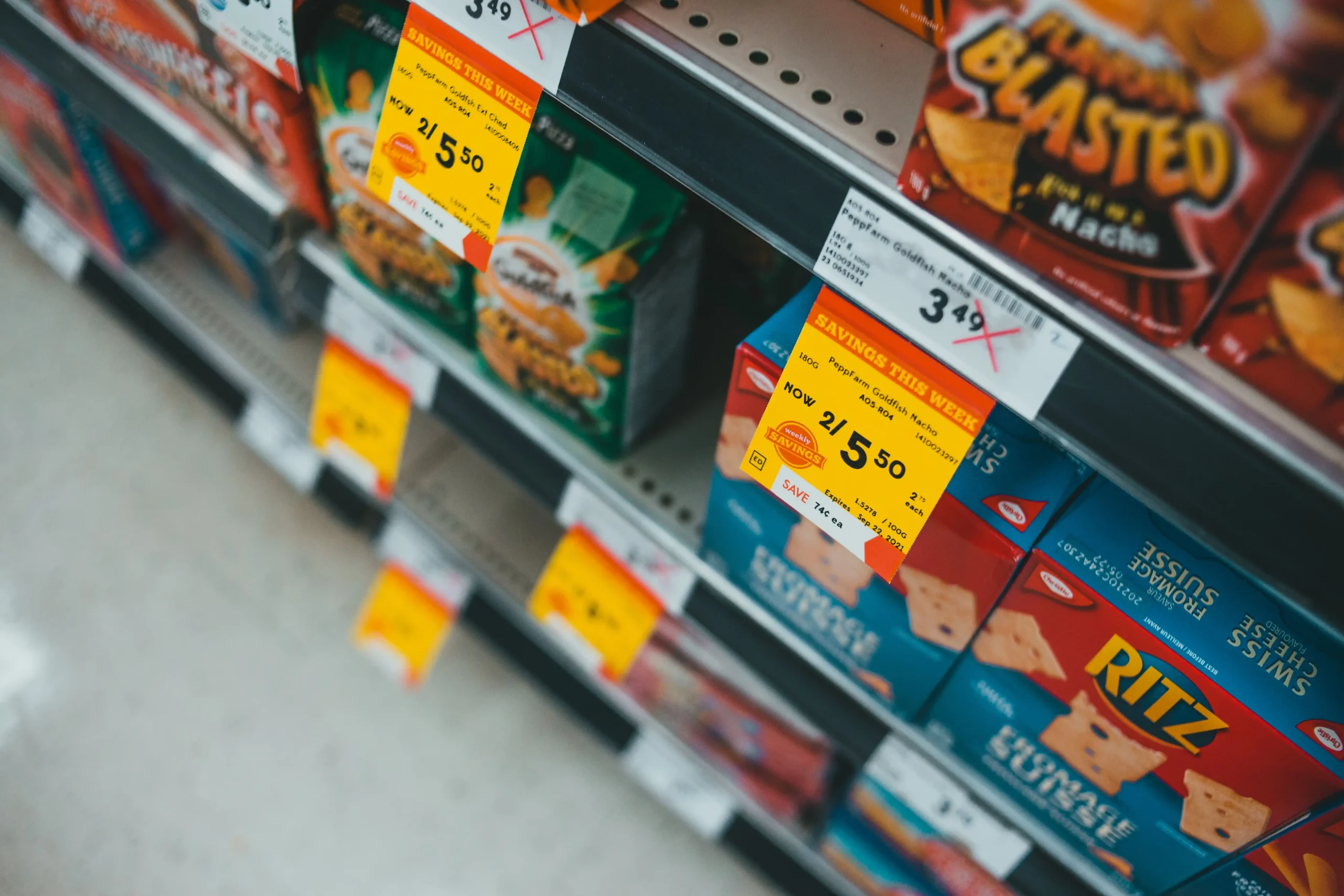
Introduction: Why the FDA Food Additives List Matters More Than Ever
Food today is very different from what it was a few decades ago. Most packaged and processed foods now contain long ingredient lists filled with preservatives, colorings, stabilizers, emulsifiers, and flavor enhancers. While these additives make food more convenient, visually appealing, and shelf-stable, they also raise growing concerns among consumers who want to understand what they are really eating.
The FDA food additives list plays a central role in regulating what can and cannot be used in food products in the United States. However, many people still misunderstand what this list actually means. Some assume that everything approved by the FDA is completely risk-free, while others believe all additives are harmful. The reality is more complex and science-based.
This article breaks down the FDA food additives list in simple terms, explaining what preservatives, colorings, and flavor enhancers actually do, how they are regulated, and what you should pay attention to as a consumer in 2026.
What Is the FDA Food Additives List?
The FDA food additives list refers to substances that are approved or regulated by the U.S. Food and Drug Administration for use in food products. These additives include chemicals and natural compounds that serve specific purposes such as preserving freshness, enhancing flavor, improving texture, or maintaining color.
Food additives are not new. Humans have used salt, vinegar, and spices for preservation for centuries. What has changed is the scale and complexity of modern food production. Today, thousands of additives are used across global food supply chains.
The FDA evaluates these substances based on scientific data, toxicology studies, and acceptable daily intake levels. If an additive is considered safe within regulated limits, it may be approved for use in food.
However, “approved” does not always mean completely harmless. It means the substance is considered safe when consumed within established guidelines.
Why Food Additives Are Used in Modern Foods
Food additives serve important roles in the modern food system. Without them, many packaged foods would spoil quickly, lose flavor, or become unsafe to eat.
One of the main reasons additives are used is preservation. Preservatives help extend shelf life and reduce food waste by slowing down spoilage caused by bacteria, mold, and yeast.
Another key reason is appearance. Color additives help make food visually appealing and consistent. Without them, many processed foods would look dull or uneven in color.
Flavor enhancers are used to intensify or stabilize taste, especially in processed or frozen foods. These compounds help maintain flavor consistency across large production batches.
Finally, additives improve texture and stability. Emulsifiers, stabilizers, and thickening agents ensure that products like sauces, ice cream, and baked goods maintain their desired consistency.
Understanding Preservatives: Extending Shelf Life and Safety
Preservatives are among the most widely used food additives. Their main purpose is to prevent spoilage and protect food from harmful microorganisms.
Common preservatives include sodium benzoate, potassium sorbate, and calcium propionate. These substances help inhibit the growth of bacteria and mold in foods such as soft drinks, baked goods, and processed meats.
Without preservatives, many packaged foods would spoil within days instead of weeks or months. This would increase food waste and reduce availability, especially in regions where fresh food supply is limited.
However, some preservatives have been debated due to potential health concerns when consumed in large quantities. For example, nitrates and nitrites used in processed meats have been studied for possible links to health risks when eaten excessively.
The key takeaway is moderation. Preservatives are considered safe within regulated limits, but diets heavily reliant on processed foods may increase overall exposure.
Food Colorings: Why Appearance Matters in Processed Foods
Food colorings are used to enhance or restore the appearance of food products. Without them, many foods would look less appealing or inconsistent due to processing and storage.
There are two main types of colorings: natural and synthetic. Natural colorings come from sources like beet juice, turmeric, and paprika. Synthetic colorings are chemically produced but strictly regulated by the FDA.
Common synthetic food dyes include Red 40, Yellow 5, and Blue 1. These are widely used in candies, beverages, cereals, and snacks.
Color additives are approved only after safety testing, but some studies and consumer groups have raised concerns about potential sensitivity reactions in certain individuals, especially children.
Because of this, there is increasing demand for cleaner labels and natural alternatives in food coloring. Many companies are now shifting toward plant-based color sources to meet consumer expectations.
Flavor Enhancers: The Science Behind Taste
Flavor enhancers are additives used to intensify or improve the taste of food without adding a distinct flavor of their own. The most well-known example is monosodium glutamate (MSG).
MSG is commonly used in savory foods such as soups, snacks, sauces, and processed meals. It enhances umami, one of the five basic tastes, making food more flavorful and satisfying.
Despite widespread myths, scientific research has not consistently shown MSG to be harmful when consumed in normal dietary amounts. However, some individuals report sensitivity, which has contributed to its controversial reputation.
Other flavor enhancers include yeast extracts and hydrolyzed vegetable proteins. These ingredients are commonly found in processed foods and seasoning mixes.
Flavor enhancers play a major role in making processed foods taste consistent and enjoyable, especially in mass production.
The Difference Between Natural and Artificial Additives
One of the biggest misconceptions in food labeling is the assumption that “natural” automatically means safe and “artificial” automatically means harmful.
Natural additives are derived from plants, animals, or minerals. Artificial additives are synthetically produced but designed to mimic or improve natural compounds.
From a regulatory perspective, both types must meet safety standards before approval. The FDA evaluates each additive based on scientific evidence rather than its source.
However, consumer perception often favors natural additives because they feel less processed. This has influenced food manufacturers to reformulate products and highlight natural ingredients on packaging.
The important distinction is not natural versus artificial, but rather how much of the additive is consumed and in what overall dietary context.
Common FDA-Regulated Additives You See Every Day
Many people are surprised to learn how common FDA-regulated additives are in everyday foods. Some examples include:
Citric acid, which is used as a preservative and flavor enhancer in soft drinks and candies.
Lecithin, an emulsifier found in chocolate, baked goods, and margarine.
Ascorbic acid, also known as vitamin C, used to preserve color and freshness in fruits and packaged foods.
Xanthan gum, a thickening agent used in salad dressings, sauces, and gluten-free products.
These ingredients are widely used and generally considered safe within regulated limits. They play a crucial role in maintaining food quality and consistency.
Are Food Additives Safe? What Science Actually Says
The safety of food additives is one of the most debated topics in nutrition science. Regulatory agencies like the FDA evaluate additives based on extensive testing, including toxicology studies and acceptable daily intake levels.
In general, approved food additives are considered safe for consumption within regulated amounts. However, safety is based on average consumption patterns, not extreme or unbalanced diets.
The main concern arises when individuals consume large amounts of ultra-processed foods on a daily basis, leading to higher cumulative exposure to multiple additives.
Current scientific consensus suggests that most approved additives are safe for the general population, but long-term dietary quality still matters more than individual ingredients.
How Food Additives Affect Modern Eating Habits
Food additives have significantly changed how people eat. They have made it possible to store food longer, transport it globally, and consume a wide variety of products year-round.
However, they have also contributed to increased consumption of ultra-processed foods, which are often high in sugar, salt, and unhealthy fats.
This shift has raised concerns about diet quality and long-term health outcomes. Many health professionals encourage a balance between processed and whole foods.
Understanding additives helps consumers make more informed choices without unnecessary fear.
Reading Food Labels: What Consumers Should Look For
One of the most effective ways to navigate the FDA food additives list is by learning how to read food labels. Ingredients are listed in order of quantity, from highest to lowest.
Shorter ingredient lists often indicate less processed foods, while longer lists typically include multiple additives.
Consumers should focus on overall nutritional value rather than avoiding every additive. Looking at sugar content, sodium levels, and saturated fat is often more important than focusing solely on additives.
The Future of Food Additives and Clean Label Trends
The food industry is rapidly evolving due to consumer demand for transparency and cleaner ingredients. Many companies are reformulating products to reduce artificial additives and increase natural alternatives.
At the same time, food science continues to innovate new additives that are safer, more efficient, and more sustainable.
The future of food additives is likely to focus on balance—maintaining food safety and shelf life while meeting consumer expectations for simplicity and transparency.
Conclusion: Understanding Additives Without Fear
The FDA food additives list is not something to fear, but something to understand. Food additives play an important role in modern food production, helping preserve safety, improve flavor, and maintain quality.
While concerns about ultra-processed foods are valid, the solution is not complete avoidance of additives but better awareness and balanced eating habits.
By learning how preservatives, colorings, and flavor enhancers work, consumers can make smarter decisions without falling into misinformation or fear-based nutrition trends.
Ultimately, the healthiest approach is not about avoiding every additive, but about focusing on whole foods, reading labels, and maintaining a balanced diet that supports long-term well-being.
Leave a Reply