
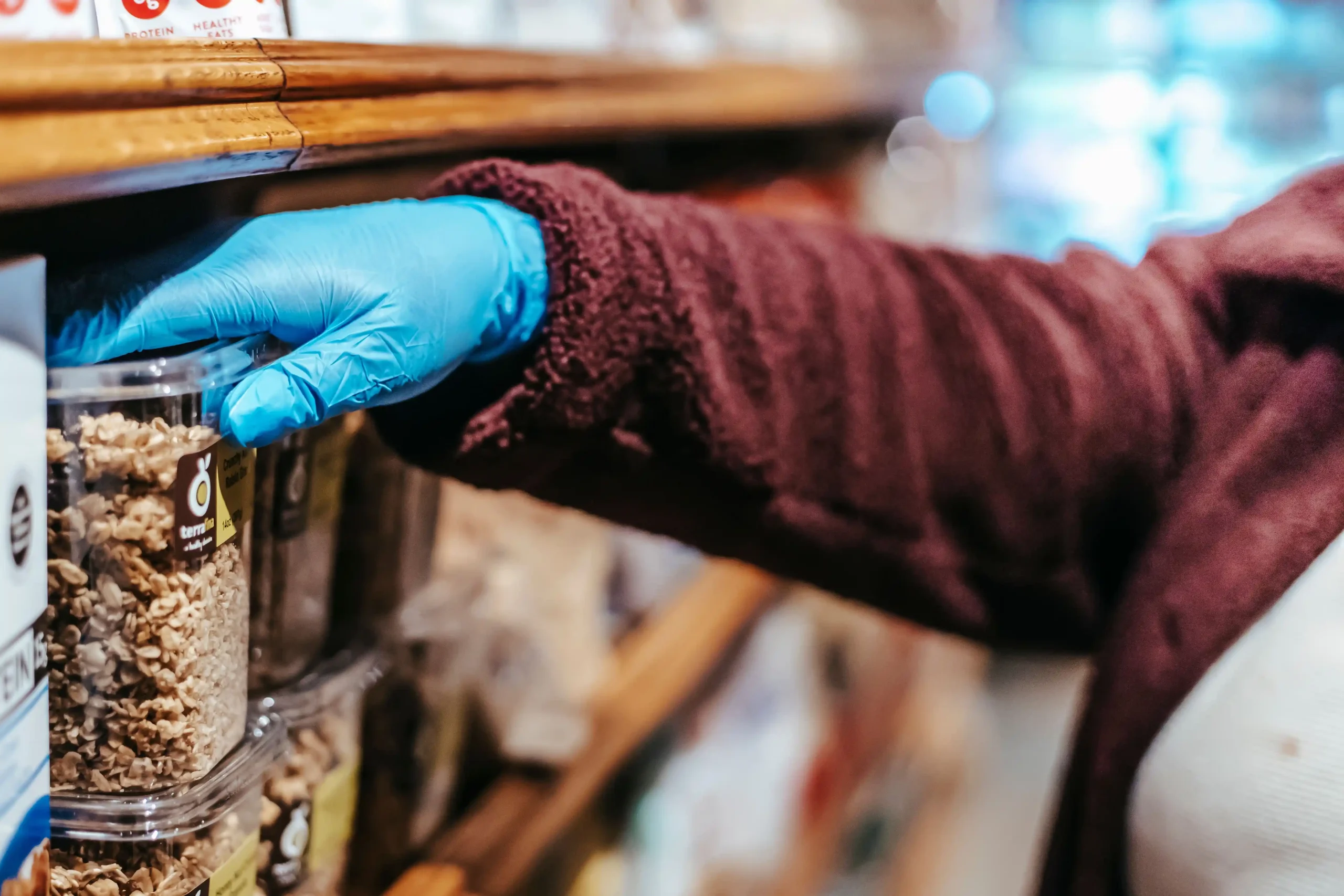
Food safety is something most people think about only after something goes wrong. A strange smell coming from a package, an unexpected ingredient on a label, or a notification about a food recall can quickly turn an ordinary grocery purchase into a serious concern. With thousands of food products manufactured, imported, distributed, and sold every day, food safety warnings from the U.S. Food and Drug Administration (FDA) play an important role in helping consumers recognize potential hazards.
The FDA regularly publishes food recalls, safety alerts, public health advisories, and other information when a product may present a health risk. These warnings can involve bacterial contamination, undeclared allergens, foreign objects, chemical contaminants, incorrect labeling, or other problems that may make a food product unsafe.
Consumers do not need to become food safety experts to protect themselves. However, knowing what to look for and understanding how to respond when the FDA issues a warning can make a significant difference. Here are seven important food safety red flags consumers should never ignore.
1. An Official FDA Food Recall
One of the clearest food safety warnings is an official recall. A food recall means a product is being removed from the market because it may violate FDA requirements or present a potential health hazard. Recalls can occur for several reasons, including contamination with harmful microorganisms, foreign objects in food, or undeclared allergens.
Food recalls are not limited to one particular type of product. They can involve packaged foods, snacks, dairy products, sauces, spices, frozen foods, seafood, infant foods, dietary supplements, and other FDA-regulated products.
The FDA’s current recall database demonstrates how varied these problems can be. Recent entries have included products potentially contaminated with pathogens such as Salmonella or Listeria monocytogenes, foods with undeclared allergens, products containing elevated levels of lead, and foods affected by other contamination concerns.
If you see an FDA recall involving a product you purchased, do not assume that the warning does not apply to you. Check the specific product name, package size, lot or product code, dates, and distribution information provided in the recall notice. A recall may apply only to particular batches rather than every product sold under the same brand.
2. Undeclared Allergens on the Food Label
An undeclared allergen is another major food safety red flag, particularly for people with food allergies. A product may appear completely normal on the shelf but contain an ingredient that is missing from its label.
Major food allergens regulated by the FDA include milk, eggs, fish, crustacean shellfish, tree nuts, peanuts, wheat, soybeans, and sesame. When an allergen is accidentally omitted from a product label, consumers with allergies may unknowingly consume it.
The FDA says undeclared allergens are an important reason for food recalls. In some cases, an ingredient may have been included in the wrong packaging, while in other situations an ingredient or allergen may have been accidentally left off the label.
Recent FDA recall notices illustrate how this can happen. For example, a 2026 recall involving packaged pasta was issued because the product contained undeclared lobster, a crustacean shellfish allergen. Another recall involved pounded yam that may have contained sodium caseinate derived from milk without the milk allergen being declared on the label.
For consumers with food allergies, an unfamiliar product should never be assumed to be safe simply because the food itself looks familiar. Always read the ingredient list and allergen information carefully, particularly when buying a product for the first time.
3. Signs of Possible Bacterial Contamination
Some of the most serious food safety warnings involve microorganisms that can cause foodborne illness. Bacteria such as Salmonella, E. coli, and Listeria monocytogenes can contaminate food during production, processing, handling, or distribution.
One reason these hazards are particularly concerning is that contaminated food may not always look, smell, or taste unusual. Consumers cannot reliably determine whether food contains harmful bacteria simply by examining it.
The FDA maintains information about foodborne illness investigations and updates consumers when investigations produce actionable information. Current FDA investigations include concerns involving pathogens such as E. coli, Listeria monocytogenes, and Salmonella.
This is why official food safety alerts matter. Instead of relying on smell or appearance, consumers should pay attention to product-specific recall notices and public health warnings.
Safe food handling at home also remains important. Keeping raw and ready-to-eat foods separated, washing hands and food preparation surfaces, cooking foods appropriately, and refrigerating perishable foods promptly can help reduce the risk of foodborne illness.
4. Foreign Objects Found in Food
Finding something that clearly does not belong in your food is another warning sign consumers should take seriously. Foreign objects can include pieces of glass, metal, plastic, stones, or other materials that may enter food during manufacturing or packaging.
The FDA identifies foreign objects as one of the reasons food products may be recalled.
For example, an FDA recall record may identify a food product because of possible plastic pieces or other physical contamination. These situations are not merely quality concerns. Depending on the material and circumstances, a foreign object can cause choking, cuts, dental injuries, or other physical harm.
If you discover an unexpected object in packaged food, avoid eating more of the product while you investigate the issue. Keep the packaging and product information if possible because details such as the brand, lot code, package size, and purchase information can help identify whether the product is part of a recall.
Consumers can also report problems involving FDA-regulated foods. The FDA uses consumer reports as one source of information when evaluating potential product safety problems.
5. Unusual Packaging, Leaks, or Damaged Containers
Packaging provides an important barrier between food and the outside environment. When packaging is damaged, leaking, swollen, punctured, or otherwise compromised, consumers should pause before eating the product.
A damaged package does not automatically mean the food is contaminated, but it can indicate that the product has not remained in the condition intended by the manufacturer. This is especially important for foods that require controlled storage conditions.
Consumers should also be cautious about products with broken seals, unusual bulging, leaking containers, or packaging that appears tampered with. When purchasing food, examine the package before placing it in your shopping cart.
This becomes even more important with products ordered online or delivered from another location. Temperature control and handling conditions may vary during transportation, so consumers should inspect perishable foods when they arrive.
The FDA provides consumer resources covering how to safely buy, store, prepare, and serve food, emphasizing that food safety involves more than simply cooking food correctly.
6. A Food Safety Alert Involving Chemical Contamination
Not every food safety problem involves bacteria. Chemical contaminants can also result in FDA warnings or recalls.
Certain contaminants can enter food through ingredients, environmental exposure, processing, manufacturing, or other pathways. One example is lead, which can be harmful when people are exposed to excessive amounts.
The FDA’s current recall listings include food products identified because of potential elevated lead levels. In September 2026, for example, an FDA recall listing identified ground cinnamon associated with elevated lead levels.
Consumers should therefore avoid assuming that a product is safe simply because it has been cooked or processed. Cooking does not necessarily eliminate chemical contaminants.
When an FDA safety alert identifies a specific product or batch, consumers should follow the instructions in the notice rather than attempting to make the food safe through additional cooking, washing, or other home methods.
This is one reason official food safety information is valuable. Some hazards cannot be identified through appearance and cannot be removed through ordinary food preparation.
7. A Product That Does Not Match Its Label
Food labels are more than marketing tools. They provide important information about ingredients, allergens, product identity, dates, and other details consumers use to make purchasing decisions.
When the contents of a package do not match its label, the problem can become a food safety issue. A product could contain an ingredient that is not listed, have incorrect packaging, or be sold under the wrong label.
The FDA identifies failure to list a major allergen or certain ingredients as common reasons products may be recalled.
This is particularly important for people managing food allergies or avoiding specific ingredients. A mislabeled product can create a risk even when the food itself was manufactured correctly.
Consumers should pay attention to recall notices involving labeling problems and compare the recalled product information with the packages they have at home. Do not rely only on the brand name because recalls can involve specific product varieties, sizes, lot numbers, or dates.
What Should You Do If You Find a Recalled Food at Home?
Discovering that something in your pantry or refrigerator has been recalled can be concerning, but the most important thing is to follow the instructions in the official recall notice.
First, stop eating or serving the product until you determine whether your specific item is included. Compare the product name, package size, product code, lot number, dates, and other identifying information listed in the recall notice. The FDA explains that recall notices generally provide information consumers can use to identify affected products.
If the product is included, follow the manufacturer’s or FDA’s disposal or return instructions. The FDA advises consumers not to give recalled food to another person, a food bank, or a pet. If a contaminated product must be thrown away, consumers should follow appropriate disposal instructions.
You should also clean areas that may have come into contact with contaminated food. This can include refrigerator shelves, countertops, cutting boards, utensils, and other food-contact surfaces.
If you believe a recalled food has made you sick or caused an allergic reaction, contact a healthcare professional for appropriate advice and care. The FDA also provides channels for consumers to report complaints and adverse events involving FDA-regulated products.
How to Stay Updated on FDA Food Safety Warnings
Food recalls can change quickly, which means consumers should avoid relying on old social media posts or outdated lists. The FDA maintains online pages for food recalls, safety alerts, advisories, and other food safety information.
The FDA’s recall database can be searched by product information, while its food safety pages provide broader information about recalls and foodborne illness.
Consumers can also pay attention to official announcements when shopping for products that have previously been associated with recalls or safety alerts. Checking official information is particularly important when a warning involves a product already in your home.
It is also worth remembering that an FDA recall does not necessarily mean every product made by a particular company is dangerous. Recalls are generally specific to identified products, lots, codes, dates, or distribution areas. Always read the individual notice carefully before deciding what action to take.
The Bottom Line
FDA food safety warnings are designed to give consumers important information when a food product may pose a health risk. From bacterial contamination and undeclared allergens to foreign objects, chemical contaminants, damaged packaging, and incorrect labels, there are several warning signs worth taking seriously.
The most important habit is not to panic but to verify. If you see an FDA food recall or safety alert, check the exact product information and follow the official instructions. Do not assume that a recalled food is safe because it looks or smells normal, and do not assume that cooking or reheating will eliminate every possible hazard.
Food safety starts with informed choices. By paying attention to FDA warnings, reading labels carefully, inspecting packaging, storing food properly, and responding appropriately to recalls, consumers can take practical steps to protect themselves and their families.
Important note: FDA recalls and safety alerts can change frequently. For the latest information, consumers should check the FDA’s official Recalls, Market Withdrawals & Safety Alerts database rather than relying on an older article or social media post.
Leave a Reply