
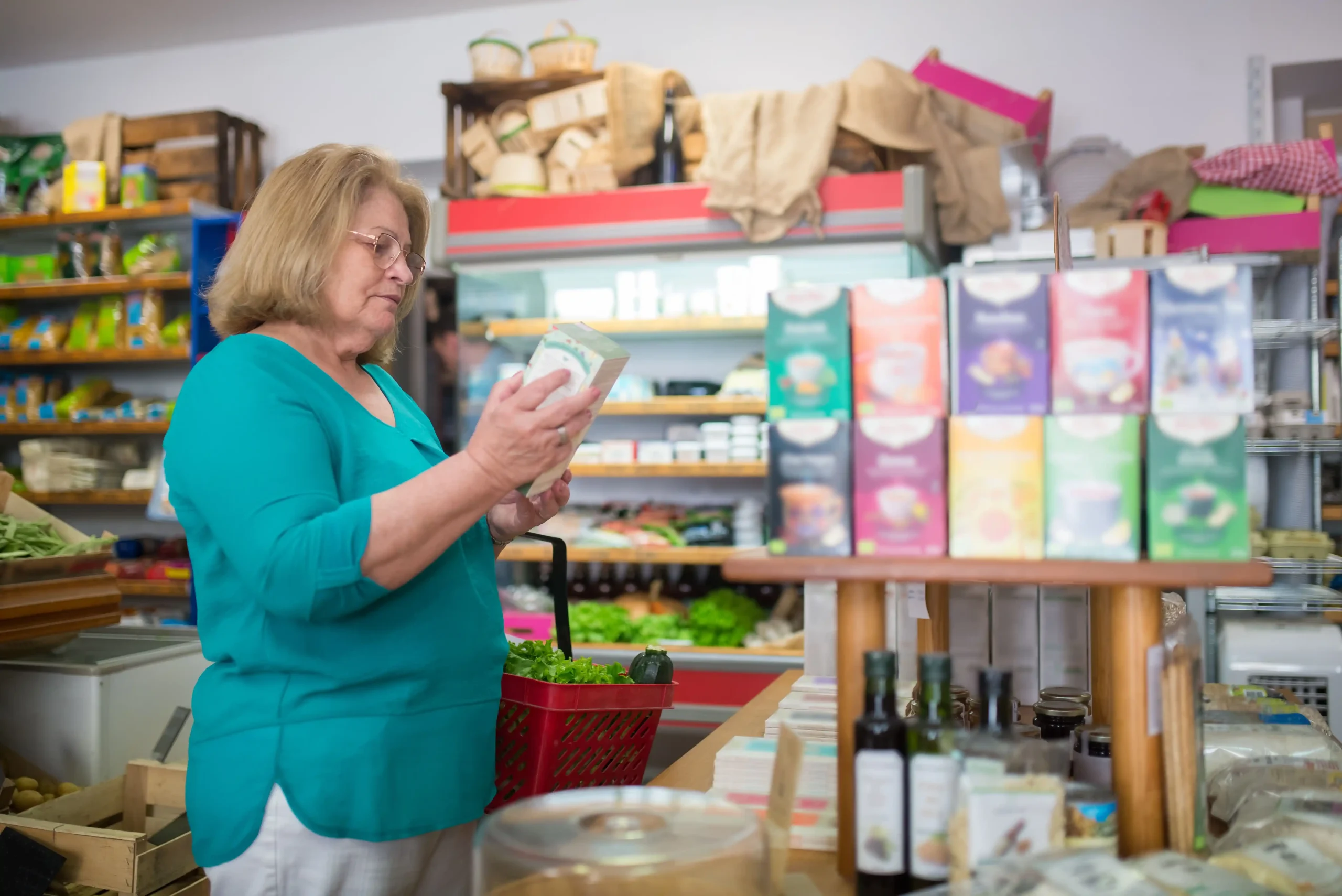
Food recalls can turn an ordinary trip to the grocery store into a moment of concern. A product that has been sitting in a pantry, refrigerator, or freezer may suddenly appear on an FDA recall list because of possible contamination, an undeclared allergen, a labeling problem, or another safety issue. For consumers, the most important question is often simple: “Do I have this product at home, and what should I do with it?”
Food recalls are an important part of the U.S. food safety system. They are designed to remove potentially unsafe products from the marketplace and help prevent consumers from becoming sick or injured. The U.S. Food and Drug Administration regulates most foods in the United States, while the U.S. Department of Agriculture regulates meat, poultry, and processed egg products.
Understanding how the FDA recall process works can make these announcements much less confusing. Consumers do not need to panic every time they hear the word “recall,” but they should take official recall notices seriously and check the details carefully. A recall generally applies to specific products, lot numbers, dates, sizes, or distribution areas rather than automatically affecting everything made by a company.
What Is an FDA Food Recall?
An FDA food recall occurs when a company removes a food product from the marketplace because it may violate FDA requirements or present a potential health risk. Most food recalls are voluntarily initiated by manufacturers or distributors, although the FDA can request or, under certain circumstances, order a recall.
The purpose of a recall is to get potentially problematic products out of stores and away from consumers as quickly as possible. A recall does not necessarily mean that every package of a particular brand or every product made by a company is unsafe. In many cases, only certain production lots or batches are involved.
This distinction is especially important because consumers sometimes see a headline about a familiar brand and assume everything associated with that company has been recalled. The official recall notice should always be treated as the source of truth. It typically provides the exact product name, package size, product codes, dates, images, and distribution information needed to determine whether a particular item is affected.
The FDA’s public recall database can also contain recalls involving different categories of FDA-regulated products. The agency explains that its public Recalls, Market Withdrawals, and Safety Alerts page does not necessarily include every recall, so consumers may also need to check the FDA Enforcement Report and the recalling company’s announcement.
Why Do Food Recalls Happen?
There is no single reason a food product gets recalled. Some recalls involve serious potential health hazards, while others involve labeling or manufacturing problems that could still pose a risk to certain consumers.
One of the most common concerns is contamination with harmful microorganisms. Bacteria, viruses, and parasites can contaminate food during production, processing, transportation, or handling. Depending on the organism and the food involved, contamination can potentially lead to foodborne illness. The FDA specifically identifies disease-causing microorganisms as one reason foods may be recalled.
Foreign objects are another reason for food recalls. A manufacturer may discover that a product could contain pieces of glass, metal, plastic, or another unwanted material. Even when the likelihood of encountering the object is small, the potential for injury can justify removing affected products from the marketplace.
Undeclared allergens are another major concern. A food may contain ingredients such as peanuts, tree nuts, milk, eggs, wheat, soy, fish, or shellfish that are not properly identified on the label. For someone with a food allergy, an ingredient that appears harmless to another consumer can create a serious health risk. FDA recall notices frequently identify undeclared allergens as a reason for removing food from the market.
Labeling mistakes can also trigger recalls. A product could have incorrect information, missing allergen declarations, or packaging that does not provide required information. In some cases, the issue may affect a particular production run rather than the entire product line.
Food recalls can also happen when products are associated with a foodborne illness outbreak or when testing identifies a potential contamination problem. The FDA maintains dedicated information covering food recalls, outbreaks, emergencies, and safety alerts to help consumers understand these situations.
Not Every Recall Means the Same Level of Risk
One important detail consumers should understand is that FDA recalls can be classified according to the potential health hazard.
A Class I recall involves a situation in which there is a reasonable probability that exposure to the product could cause serious adverse health consequences or death. A Class II recall involves a situation where the product could cause temporary or medically reversible health consequences, or where the probability of serious harm is considered remote. A Class III recall involves a situation in which the product is not likely to cause adverse health consequences.
These classifications provide useful context, but consumers should not use them as a reason to ignore a recall. If an official notice says a specific product should not be eaten, sold, or distributed, consumers should follow those instructions regardless of the classification.
It is also important to understand that a recall can initially appear in FDA records before a final classification has been determined. The FDA says some recalls are listed as “not yet classified” while the agency completes its hazard assessment.
How to Check Whether Your Food Has Been Recalled
If you hear that a food product has been recalled, the first step is not to throw everything away immediately. Instead, check the official recall notice and compare its details with the package you have.
Start with the brand and exact product name. Then look at the package size, product type, lot or production code, UPC, and sell-by or use-by date. Some recalls affect only specific versions or batches of a product. The FDA notes that recall notices commonly include these identifying details, along with photographs and information about where the product was distributed.
Checking the physical packaging is particularly important. A recall headline might mention a popular brand, but the official notice could specify that only certain sizes or production dates are affected. Consumers should avoid assuming that every item from the same brand is part of the recall.
The FDA’s Recalls, Market Withdrawals, and Safety Alerts database is one useful place to search for official information. The agency also provides an Enforcement Report that includes FDA-monitored recalls after they are classified and may list some recalls earlier when they are still pending classification.
Consumers can also subscribe to FDA recall notifications. The agency allows users to choose notifications for all recalls, specific categories such as food, or individual recall events.
What Should You Do If You Have a Recalled Food?
If you discover that a product in your home matches an FDA recall notice, do not eat it. Even if the food looks normal, smells normal, or has been stored properly, the recall should be taken seriously.
Read the official recall notice carefully and follow the instructions provided. Depending on the situation, consumers may be instructed to return the product to the store for a refund or dispose of it. The FDA advises that recalled contaminated products should be wrapped securely before being placed in the trash when disposal is required.
Do not give recalled food to another person, a food bank, or a pet. Passing the product to someone else does not remove the potential health risk. The safest approach is to follow the recall instructions and make sure the affected product does not remain available for consumption.
Consumers should also think about where the recalled food may have been stored or prepared. If potentially contaminated food has been in a refrigerator, on a cutting board, or on kitchen utensils, those surfaces may need to be thoroughly cleaned and sanitized.
The FDA recommends washing refrigerator surfaces, cutting boards, countertops, and utensils that may have come into contact with contaminated food, followed by appropriate sanitizing. Hands should also be washed with soap and warm water after cleaning and sanitizing potentially contaminated areas.
What If You Already Ate the Recalled Food?
Finding out that you ate a recalled food can be frightening, but the appropriate response depends on the specific recall and the individual’s circumstances.
First, read the recall announcement carefully. It should explain why the product was recalled and what consumers are being advised to do. If the recall involves potential foodborne illness or an undeclared allergen, consumers should pay particular attention to any health instructions provided by the FDA or the recalling company.
If you develop symptoms or believe a recalled product made you sick, contact a healthcare professional. The FDA advises consumers who experience symptoms to seek medical care and report food-related complaints or adverse events through the appropriate channels.
Consumers should not attempt to diagnose themselves solely from an online recall announcement. Symptoms can have many causes, and a healthcare professional can provide appropriate advice based on the person’s situation.
If a recalled product has caused an illness, allergic reaction, or other serious problem, reporting the issue can also help regulators identify the scope of a potential food safety problem. The FDA says consumer reports help the agency evaluate problems with products and determine what follow-up may be necessary.
Why You Should Pay Attention Even If the Product Looks Fine
One of the biggest misconceptions about food recalls is that consumers can simply inspect the food themselves. Unfortunately, not every contamination problem changes the appearance, smell, or taste of a product.
A food product can look perfectly normal and still be affected by a recall. This is why official recall information matters more than appearance alone. If a product matches the identifying information in a recall notice, consumers should follow the instructions even if they have previously eaten the product without noticing anything unusual.
The same principle applies to products with undeclared allergens. Someone without a food allergy may be able to eat the product without an immediate problem, while a person with an allergy could face a serious reaction. The risk therefore depends not only on the product but also on the individual consumer.
FDA Food Recalls Are Part of a Larger Safety System
Food recalls can seem alarming when they appear in the news, but recalls are also an important mechanism for protecting consumers. They allow manufacturers, distributors, retailers, and regulators to respond when a potential safety or labeling problem is identified.
The FDA explains that recalls can be initiated by companies themselves, requested by the agency, or ordered under statutory authority in certain circumstances.
In many cases, a company identifies a problem and voluntarily removes affected products from the market. Public announcements then help consumers determine whether they purchased an affected product. The FDA may monitor the recall and provide additional information through its public databases and enforcement systems.
This process highlights why consumers should not automatically view a recall announcement as evidence that an entire brand is unsafe. Instead, the recall should be viewed as a targeted response to a specific identified or suspected problem.
How Consumers Can Stay Ahead of FDA Recall Alerts
Staying informed does not require checking government websites every morning. Consumers can use official notification services and develop the simple habit of checking recall information when they hear about a product they regularly purchase.
It can also help to keep food packaging until you have used the product, particularly for products stored in the pantry or freezer for long periods. Lot numbers, UPC codes, and dates can be difficult to remember, but they may be essential for determining whether a product is included in a recall.
When shopping, consumers should also pay attention to official notices from retailers and manufacturers. If a store contacts customers about a recalled product, the communication may contain specific information about the affected item and instructions for obtaining a refund or safely disposing of it.
Most importantly, consumers should rely on official sources instead of social media posts or unverified screenshots. Recall information can change as investigations continue. The FDA’s public recall pages and the company’s official recall announcement are more reliable sources for determining whether a specific product is affected. The FDA also notes that not every recall is posted on its main public recalls page, which is another reason to consult the appropriate official sources.
The Bottom Line on FDA Food Recalls
An FDA food recall can be unsettling, especially when the recalled product is something your family regularly buys. But knowing how to respond can turn that uncertainty into a straightforward safety check.
When a favorite food is pulled from shelves, do not assume the entire brand is affected and do not rely solely on how the product looks or smells. Check the official recall notice, compare the product name, size, lot number, code, and date with the information on your package, and follow the instructions provided by the FDA or recalling company.
If your product is included, do not eat it. Return it when instructed or dispose of it safely. Clean surfaces that may have contacted contaminated food, and seek medical advice if you believe the recalled product has made you sick.
Food recalls are ultimately designed to protect consumers. Staying informed, checking product details carefully, and responding promptly can help households reduce unnecessary risk while avoiding unnecessary panic. The next time you see an FDA recall alert, the most important thing is not simply knowing that a product was recalled. It is knowing how to determine whether the recall affects you and what action to take next.
Citation and Reference Sources
FDA, Food Recalls: What You Need to Know.
FDA, Recalls, Market Withdrawals, & Safety Alerts.
FDA, Recalls Background and Definitions.
FDA, Enforcement Reports.
FDA, Recalls, Outbreaks & Emergencies.
Leave a Reply