
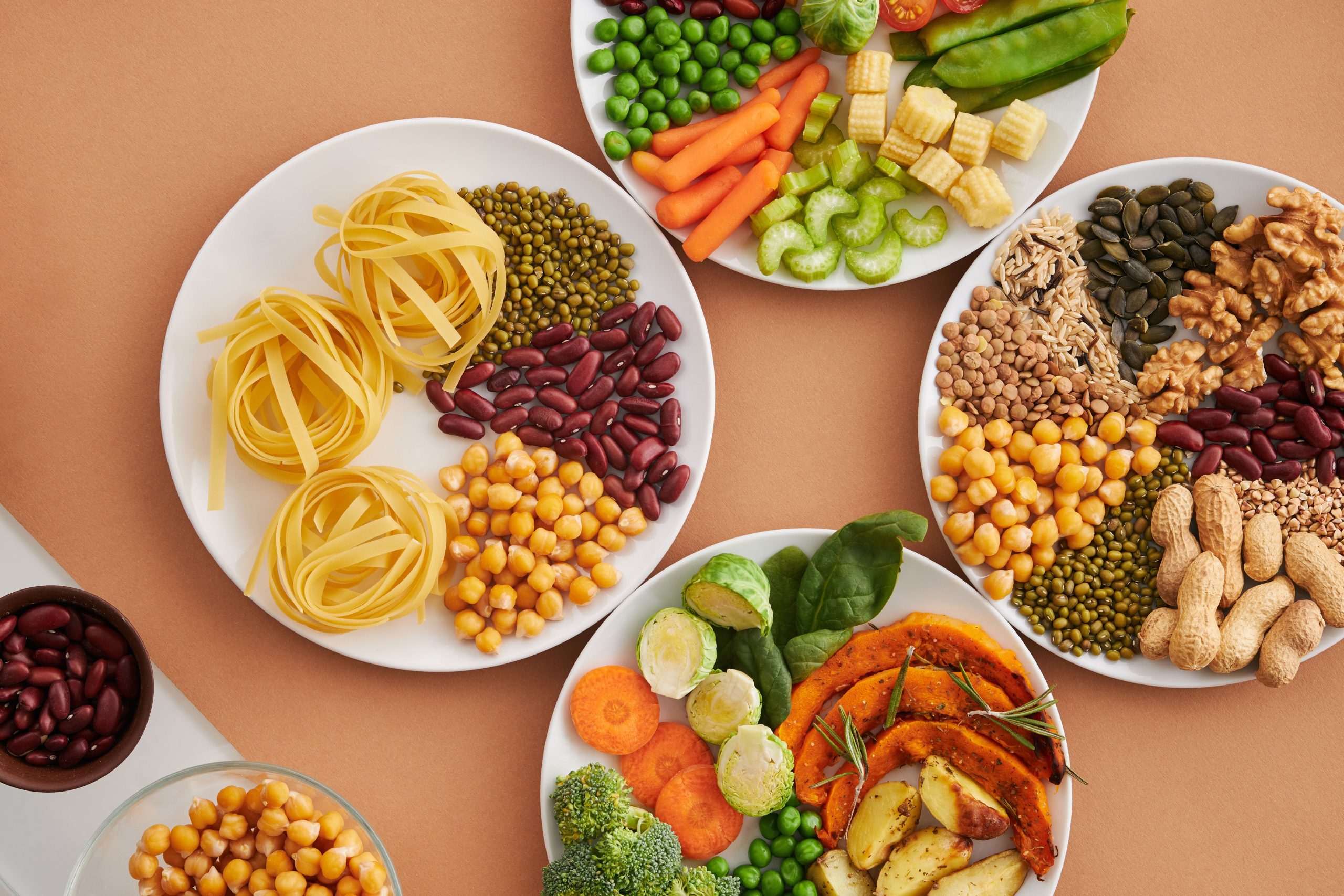
Healthy eating can sometimes sound like a full-time job. One day, everyone is talking about protein. The next, fiber is the nutrient getting all the attention. Then come the vegetables, whole grains, portion sizes, meal timing, and endless advice about what should or should not be on your plate.
It can become overwhelming before you even decide what to cook.
But building a satisfying meal does not have to be complicated. You do not need to calculate every nutrient, follow a strict menu, or prepare an entirely different dinner from the rest of your household.
A practical place to start is with four simple elements: protein, vegetables, fiber-rich foods, and flavor.
Think of them as building blocks rather than rules. Each contributes something useful, and together they can help create meals that are nourishing, enjoyable, and easier to maintain.
The goal is not to make every plate perfect.
It is to make everyday meals work better.
Start With Protein
Protein is one of the most useful building blocks of a satisfying meal. It helps maintain and repair body tissues, supports muscle health, and contributes to many essential functions throughout the body.
It can also help meals feel more filling, particularly when combined with fiber-rich foods.
Fortunately, protein does not have to come from expensive specialty products or complicated recipes.
Everyday options include:
- Chicken, turkey, and lean cuts of meat
- Fish and seafood
- Eggs
- Greek yogurt and cottage cheese
- Beans, lentils, and chickpeas
- Tofu, tempeh, and edamame
- Milk and fortified soy beverages
The best option depends on your preferences, budget, and eating style.
For example, grilled chicken can become the centerpiece of a simple lunch bowl. Eggs can turn vegetables and whole-grain toast into a quick breakfast. Lentils can add protein and texture to soups, while Greek yogurt can work as a breakfast ingredient, snack, or creamy sauce base.
You do not need to eat the same protein every day. Rotating different sources can make meals more interesting and introduce a wider range of nutrients.
One useful habit is to decide on your protein source before choosing the rest of the meal. Once that decision is made, adding vegetables and a fiber-rich side becomes easier.
Give Vegetables a Regular Place on the Plate
Vegetables bring color, texture, vitamins, minerals, and dietary fiber to everyday meals.
They also make it easier to add variety without relying on complicated recipes.
Leafy greens, broccoli, carrots, bell peppers, tomatoes, zucchini, mushrooms, cauliflower, and green beans are all practical choices. Fresh vegetables are excellent, but frozen and canned options can be just as useful for everyday cooking.
The important thing is finding options you genuinely enjoy.
If you dislike steamed broccoli, try roasting it with olive oil, garlic, and black pepper. If salads feel repetitive, experiment with warm vegetable bowls, stir-fries, soups, or roasted vegetable wraps.
Preparation can change the entire experience.
Here are a few easy ways to add more vegetables:
- Add spinach or peppers to scrambled eggs.
- Include shredded cabbage or lettuce in sandwiches and wraps.
- Roast carrots, zucchini, and broccoli alongside chicken or fish.
- Mix mushrooms, tomatoes, and onions into pasta sauces.
- Add frozen vegetables to soups, rice dishes, and stir-fries.
- Keep washed vegetables ready for quick snacks or meal preparation.
You do not have to eat an enormous bowl of vegetables to make a meaningful change. Start with one additional serving or one vegetable you can comfortably include in a meal.
Consistency matters more than making a dramatic change overnight.
Make Fiber-Rich Foods Part of the Formula
Fiber deserves a regular place in conversations about balanced eating.
It supports digestive health, helps maintain regular bowel movements, and can contribute to feelings of fullness. Certain types of fiber also support healthy cholesterol and blood glucose levels.
Most adults do not consume as much fiber as recommended, making it a useful nutrient to pay attention to.
Fiber is found in many familiar foods, including:
- Oats and barley
- Beans, lentils, and chickpeas
- Whole-grain bread and pasta
- Brown rice and quinoa
- Berries, apples, pears, and oranges
- Broccoli, carrots, and leafy vegetables
- Nuts and seeds
A simple way to increase fiber is to make small substitutions rather than completely changing your diet.
Try oatmeal instead of a low-fiber breakfast cereal. Choose whole-grain bread for a sandwich. Add beans to a soup or rice bowl. Include berries with breakfast or keep an apple available for an afternoon snack.
Another helpful approach is combining different sources of fiber throughout the day.
For example, a meal containing chicken, roasted vegetables, and quinoa provides protein, vegetables, and a fiber-containing grain. A vegetarian bowl with black beans, brown rice, lettuce, tomatoes, and avocado brings several of the same elements together.
If you are increasing fiber intake, do it gradually and drink enough water. Adding too much too quickly can cause bloating, gas, or digestive discomfort.
The goal is to build a routine your body can adjust to comfortably.
Flavor Is Not an Optional Extra
Here is where healthy eating becomes much easier to maintain: flavor.
A balanced meal should not feel like a punishment for wanting to eat well.
If you enjoy spicy food, use chili flakes, jalapeños, or a favorite hot sauce. If you prefer bright, fresh flavors, try lemon, lime, herbs, and fresh tomatoes. If you enjoy savory meals, garlic, onion, smoked paprika, pepper, and spices can make simple ingredients more exciting.
Flavor also comes from texture and preparation.
Roasted vegetables have a different taste from steamed vegetables. A grilled chicken breast has a different texture from shredded chicken mixed into a sauce. A bowl of plain beans may feel ordinary, but adding cumin, lime, cilantro, and salsa can turn it into something you actually look forward to eating.
Try these simple combinations:
Lemon and herb: Lemon juice, parsley, garlic, and black pepper work well with chicken, fish, and roasted vegetables.
Smoky and savory: Smoked paprika, cumin, garlic, and a little chili powder can bring depth to beans, chicken, and vegetable bowls.
Fresh and tangy: Lime, cilantro, tomatoes, and salsa can brighten rice bowls, tacos, and salads.
Creamy and cooling: Plain Greek yogurt mixed with lemon, herbs, and seasoning can become a flavorful sauce or dressing.
Sweet and spicy: A small amount of honey combined with chili, garlic, and vinegar can create a delicious glaze for roasted vegetables or protein.
You can also use familiar sauces and dressings. Just pay attention to portions and ingredient labels if sodium, added sugar, or other nutritional details are important to your goals.
There is no reason to remove every sauce from your kitchen to build a balanced plate.
Enjoyment is part of a sustainable eating routine.
The Everyday Plate: A Simple Way to Put It Together
A helpful visual guide is the Healthy Eating Plate developed by nutrition experts at Harvard T.H. Chan School of Public Health.
It suggests filling about half the plate with vegetables and fruits, one-quarter with whole grains, and one-quarter with healthy protein sources. It also emphasizes healthy oils and water or other unsweetened beverages.
This is a flexible starting point, not a strict measurement system.
You can adjust portions based on your appetite, activity level, preferences, and individual nutritional needs.
For a simple dinner, imagine a plate with:
- Grilled chicken or baked tofu for protein
- Roasted broccoli and bell peppers for vegetables
- Brown rice or quinoa for a fiber-rich carbohydrate
- Lemon-garlic dressing or a favorite seasoning for flavor
For another meal, you could use salmon, roasted sweet potatoes, and green beans. A vegetarian option might combine lentils, quinoa, spinach, tomatoes, and a yogurt-based dressing.
The ingredients can change while the basic formula stays familiar.
Five Easy Meal Combinations to Try
You do not need a new recipe every night. A few flexible combinations can make meal planning much easier.
1. The Everyday Chicken Bowl
Combine grilled or roasted chicken, brown rice, broccoli, cucumber, and tomatoes. Add a lemon-yogurt dressing or your favorite vinaigrette.
This meal offers protein, vegetables, and a fiber-containing grain without requiring complicated preparation.
2. The Mediterranean-Inspired Plate
Use chickpeas or grilled chicken as the protein source, then add cucumber, tomatoes, leafy greens, whole-grain pita, and hummus.
Finish with lemon juice, olive oil, and herbs.
3. The Easy Salmon Dinner
Serve baked salmon with roasted sweet potato and green beans. Season with garlic, pepper, lemon, and dill.
It is a straightforward combination that provides protein, vegetables, and fiber from the sweet potato and vegetables.
4. The Vegetarian Taco Bowl
Start with black beans, then add brown rice, lettuce, tomatoes, peppers, avocado, and salsa.
For extra flavor, use cumin, paprika, lime, and cilantro. Add Greek yogurt if you want a creamy topping.
5. The Quick Egg and Vegetable Wrap
Scramble eggs with spinach, mushrooms, and peppers. Place the mixture in a whole-grain tortilla and add salsa or a little cheese.
It works for breakfast, lunch, or a quick dinner when you do not feel like cooking something elaborate.
Each combination can be adjusted to suit your taste, available ingredients, and household preferences.
Meal Preparation Without the Sunday Marathon
Meal preparation can make balanced eating easier, but it does not need to involve spending an entire day cooking dozens of containers.
Instead, prepare a few ingredients that can be combined in different ways.
For example, cook a batch of chicken or beans, prepare a grain such as brown rice or quinoa, and wash or roast a selection of vegetables.
Store ingredients safely in the refrigerator and use them to assemble different meals during the week.
The same roasted vegetables might accompany chicken one evening and become part of a wrap the next day. Leftover beans can be added to a salad, soup, or taco bowl.
Keep a few convenient options available too. Frozen vegetables, canned beans, prewashed greens, canned tuna, eggs, and plain Greek yogurt can make it easier to prepare meals when time is limited.
A realistic meal routine should work on busy days, not just when you have plenty of time.
Small Changes That Make a Difference
If your current eating habits feel far from this formula, do not try to change everything at once.
Choose one manageable adjustment.
Add a protein source to breakfast. Include vegetables with lunch. Replace a refined grain with a whole-grain option when you enjoy it. Add beans to a familiar dinner. Experiment with one new seasoning combination.
Once that change becomes comfortable, build on it.
It is also worth remembering that not every meal needs to contain every food group in exactly the same amounts. Some meals will be lighter, some will be more substantial, and some days will look different from others.
A balanced eating pattern is about the overall routine, not achieving a perfect plate at every sitting.
For people working toward weight-management goals, this approach can be particularly practical. Protein and fiber-rich foods can help support fullness, while vegetables add variety and volume. Enjoyable meals can also make it easier to maintain consistent habits over time.
Individual needs vary, so anyone with a medical condition or specific dietary requirements may benefit from guidance from a registered dietitian or qualified healthcare professional.
Better Meals Should Still Taste Like Your Favorites
Healthy eating does not require abandoning the meals you love.
It may simply mean adding a vegetable to your pasta, choosing a protein-rich filling for your wrap, including beans in your favorite soup, or experimenting with a whole-grain side dish.
The best meal formula is one that gives your body useful nutrients while still making you excited to sit down and eat.
Protein, vegetables, fiber, and flavor offer a practical foundation. You can mix and match ingredients, adjust portions, explore different cuisines, and use what is already in your kitchen.
There is no need to turn dinner into a science project.
Start with foods you enjoy. Build around them. Make one small improvement at a time.
Because a better plate should make everyday eating easier, not harder.
References
- Harvard T.H. Chan School of Public Health – The Healthy Eating Plate
- Harvard T.H. Chan School of Public Health – Fiber
- USDA MyPlate – Make Every Bite Count
- National Institutes of Health – Dietary Fiber: Essential for a Healthy Diet
- Academy of Nutrition and Dietetics – Food and Nutrition
Leave a Reply