
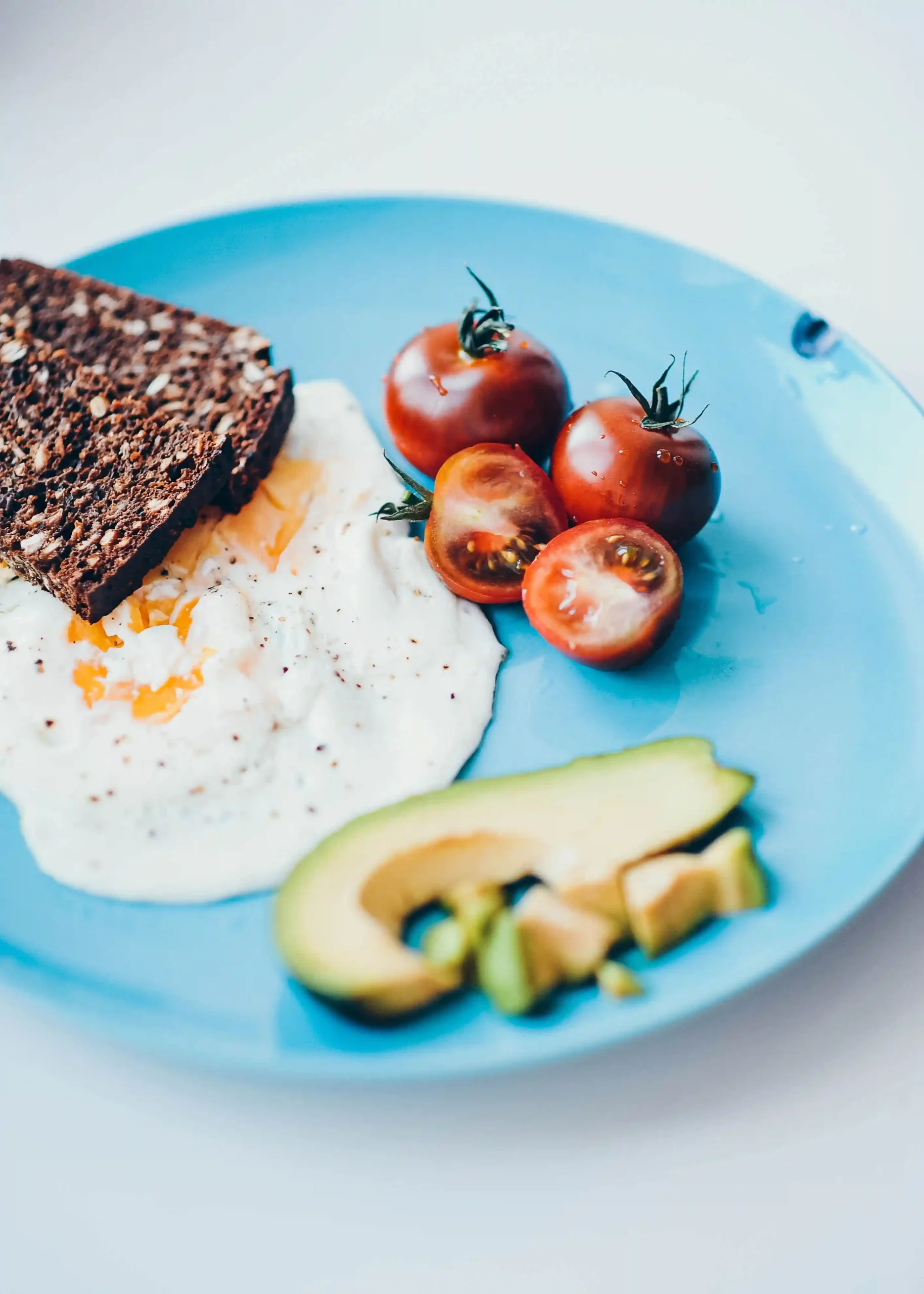
Losing weight is not simply about eating less. One of the biggest challenges people face when trying to manage their weight is dealing with constant hunger, food cravings, and the temptation to snack throughout the day. Even with the best intentions, feeling hungry shortly after a meal can make it difficult to maintain healthy eating habits. The good news is that certain foods can help you feel satisfied for longer, making it easier to manage your appetite and support sustainable weight loss.
Choosing the right foods can make a significant difference in how your body responds to meals. Foods rich in protein, dietary fiber, and healthy fats generally take longer to digest or help create a stronger feeling of fullness. They can also provide essential nutrients that support energy levels, digestion, and overall health. Instead of focusing entirely on calorie restriction, building meals around satisfying, nutrient-dense ingredients can help you develop a healthier relationship with food.
Understanding which foods keep you full longer can also make everyday meal planning easier. From eggs and oatmeal to beans, Greek yogurt, avocados, and vegetables, there are plenty of affordable and accessible options that can help reduce unnecessary snacking. Whether your goal is to lose weight, maintain a healthy body composition, or simply feel more energized throughout the day, learning how to choose filling foods is a practical place to start.
Why Some Foods Keep You Fuller Longer Than Others
Not all foods affect hunger in the same way. Some meals provide quick energy but leave you feeling hungry again within a short period. Others contain a combination of nutrients that help slow digestion and promote satiety, which is the feeling of fullness after eating.
Three nutrients play particularly important roles in appetite management: protein, fiber, and dietary fat.
Protein is especially effective at supporting fullness. It helps regulate appetite-related hormones and requires more energy to digest than carbohydrates or fats. Including protein in your meals may help reduce hunger between meals while supporting muscle maintenance during weight loss.
Dietary fiber also contributes to fullness because it adds bulk to meals and, depending on the type, absorbs water or slows digestion. Fiber-rich foods such as vegetables, fruits, oats, beans, and whole grains can help you feel satisfied without adding excessive calories.
Healthy fats are another important part of a balanced diet. Foods containing unsaturated fats, including avocados, nuts, seeds, and olive oil, can contribute to satisfaction and help the body absorb fat-soluble vitamins.
The most satisfying meals often combine all three nutrients with adequate portions. Rather than eliminating entire food groups, choosing a balanced combination of protein, fiber-rich carbohydrates, and healthy fats can help you manage hunger more comfortably.
1. Eggs: A Protein-Rich Breakfast That Helps Control Hunger
Eggs are one of the most convenient and affordable protein sources for people looking to manage their appetite. They contain high-quality protein, essential vitamins, and minerals that support overall health.
Starting the morning with eggs can help create a more satisfying breakfast compared with meals that are primarily made from refined carbohydrates. Protein-rich breakfasts may help reduce hunger and support better appetite management throughout the morning.
There are several ways to include eggs in a healthy weight-loss meal plan. Boiled eggs make an easy snack, while scrambled eggs with spinach, tomatoes, and mushrooms create a nutritious breakfast. An omelet with vegetables can also provide protein and fiber when paired with whole-grain toast.
Eggs are not a magic weight-loss food, but they can be a valuable addition to meals that keep you satisfied. Preparing them with moderate amounts of oil and combining them with vegetables can make them part of a balanced eating routine.
2. Oatmeal: A Fiber-Rich Food for Lasting Fullness
Oatmeal is a popular breakfast choice because it contains soluble fiber, particularly beta-glucan. This type of fiber absorbs water and forms a gel-like substance during digestion, helping slow the movement of food through the digestive system.
Because oatmeal provides complex carbohydrates and fiber, it can offer a more satisfying alternative to highly refined breakfast cereals. It also provides minerals such as magnesium, phosphorus, and manganese.
For a more filling breakfast, prepare oatmeal with milk or an unsweetened fortified milk alternative. Add chia seeds, nuts, fresh berries, or sliced bananas for additional fiber and nutrients. Including Greek yogurt on the side can also increase the protein content of your meal.
Be mindful of flavored instant oatmeal products, as some contain considerable amounts of added sugar. Plain oats give you more control over the ingredients and sweetness of your breakfast.
3. Greek Yogurt: A Convenient Source of Protein
Greek yogurt is another excellent option for people who want satisfying snacks without complicated meal preparation. Compared with many regular yogurt varieties, plain Greek yogurt often contains more protein per serving because of the straining process used to make it.
Protein helps promote fullness, making Greek yogurt a useful addition to breakfast, afternoon snacks, or post-workout meals. It also contains calcium, which supports bone health.
For a balanced snack, combine plain Greek yogurt with berries, chia seeds, or a small serving of nuts. These additions provide fiber and healthy fats that complement the yogurt’s protein content.
Choose plain or minimally sweetened varieties whenever possible. Some flavored yogurts contain added sugars that can increase their calorie content without necessarily making them more satisfying.
4. Beans and Lentils: Affordable Foods That Support Weight Management
Beans and lentils are among the most filling plant-based foods available. They provide a combination of plant protein and dietary fiber, making them particularly useful for people trying to manage hunger while maintaining a balanced diet.
Black beans, chickpeas, kidney beans, mung beans, and lentils can all contribute to a satisfying meal. Their fiber content supports digestive health, while their protein helps make meals more substantial.
Legumes are also versatile ingredients. They can be added to vegetable soups, salads, rice bowls, and homemade stews. Lentil soup with vegetables, for example, can provide protein, fiber, and essential nutrients in one meal.
For people who want to reduce their dependence on expensive protein sources, beans and lentils offer an affordable alternative. They are also easy to prepare in batches, making them convenient for weekly meal planning.
If you are not accustomed to eating high-fiber foods, increase your portions gradually and drink enough water to help your digestive system adjust.
5. Avocados: Healthy Fats That Add Satisfaction to Meals
Avocados are known for their creamy texture and nutritional value. They contain monounsaturated fats, dietary fiber, potassium, and several vitamins that contribute to overall wellness.
Although avocados are relatively calorie-dense, their combination of fiber and healthy fats can make meals more satisfying. Including a moderate portion can help add flavor and texture to otherwise simple meals.
You can enjoy avocado on whole-grain toast, add slices to salads, or combine it with eggs for a filling breakfast. It also works well in vegetable wraps and homemade sandwiches.
The key is portion awareness. Avocados can support a balanced eating pattern, but eating large quantities can increase overall calorie intake. A moderate serving is generally enough to enjoy their nutritional benefits.
6. Nuts and Seeds: Small Portions With Big Nutritional Benefits
Almonds, walnuts, pistachios, pumpkin seeds, sunflower seeds, and chia seeds are nutrient-dense foods that provide healthy fats, fiber, and varying amounts of protein.
These foods can be especially helpful when you need a convenient snack between meals. Their combination of nutrients can contribute to satisfaction, while their crunchy texture may make snacking more enjoyable.
Chia seeds are particularly interesting because they absorb liquid and expand, creating a gel-like consistency. They can be added to oatmeal, yogurt, smoothies, or overnight chia pudding.
Nuts also provide beneficial nutrients, but portion sizes matter because they contain concentrated calories. Instead of eating directly from a large package, measure a small serving and pair it with fruit or plain yogurt.
Choosing unsalted nuts and seeds without added sugar can also help you avoid unnecessary sodium and sweeteners.
7. Vegetables: High-Fiber Foods That Add Volume to Your Meals
Vegetables are essential components of a healthy eating pattern, particularly for people trying to lose weight without feeling deprived.
Many non-starchy vegetables contain plenty of water and fiber while providing relatively few calories. This means you can add substantial volume to meals without dramatically increasing their energy content.
Broccoli, spinach, cabbage, carrots, cauliflower, cucumber, zucchini, and leafy greens are excellent choices. They also provide vitamins, minerals, and plant compounds that support overall health.
One practical approach is to fill a significant portion of your plate with vegetables. Add grilled chicken, fish, tofu, eggs, or beans for protein, then include a moderate serving of rice, potatoes, or another whole-food carbohydrate.
Vegetables do not have to be boring. Roasting them with herbs, adding them to soups, or preparing colorful stir-fries can make healthy meals more enjoyable.
8. Apples and Berries: Fruits That Help Manage Snack Cravings
Fruit is sometimes misunderstood in weight-loss discussions because it contains natural sugars. However, whole fruits also provide water, fiber, vitamins, and minerals that make them valuable parts of a balanced diet.
Apples are particularly convenient because they contain soluble and insoluble fiber. Their water content and natural crunch can make them a satisfying snack.
Berries, including strawberries, blueberries, raspberries, and blackberries, provide fiber and beneficial plant compounds. They can add natural sweetness to meals without requiring large amounts of added sugar.
Instead of replacing fruit with processed snack foods, consider pairing whole fruit with protein or healthy fats. An apple with peanut butter or berries with Greek yogurt can create a more balanced snack.
Whole fruit is generally more filling than fruit juice because it retains its natural fiber and requires more chewing.
9. Fish: Protein and Healthy Fats for a Balanced Diet
Fish is another excellent food choice for people who want to build satisfying meals while supporting overall wellness. Varieties such as salmon, sardines, tuna, and mackerel provide high-quality protein, while oily fish also contain omega-3 fatty acids.
Protein contributes to fullness and supports muscle maintenance, which is particularly important during weight loss. Omega-3 fats support normal heart and brain function and are an important part of a healthy eating pattern.
Grilled salmon with vegetables, tuna salad with leafy greens, or sardines served with whole-grain toast can make nutritious and satisfying meals.
You do not need to eat expensive seafood every day. Affordable options such as canned tuna and sardines can also provide valuable nutrients. When choosing canned products, check sodium levels and select options that fit your dietary needs.
10. Potatoes: A Surprisingly Filling Source of Carbohydrates
Potatoes often receive criticism in weight-loss conversations, but plain potatoes can be surprisingly satisfying. They provide carbohydrates for energy, potassium, vitamin C, and some dietary fiber, particularly when the skin is eaten.
The way potatoes are prepared makes a difference. Boiled or baked potatoes can fit into a balanced weight-management plan, while deep-fried versions and heavily loaded potato dishes may contain substantially more calories.
Try pairing boiled potatoes with grilled fish, eggs, chicken, or vegetables. This combination provides carbohydrates, protein, and fiber to create a satisfying meal.
There is no need to eliminate potatoes or other carbohydrate-rich foods to lose weight. What matters more is the overall balance of your meals, portion sizes, and preparation methods.
How to Build Meals That Keep You Full Longer
Knowing which foods are filling is only part of the process. Learning how to combine them can make your daily eating routine more effective and sustainable.
A balanced meal should generally include a protein source, fiber-rich vegetables or fruit, a suitable carbohydrate source, and a moderate amount of healthy fat.
For breakfast, consider eggs with whole-grain toast and avocado. Another option is oatmeal topped with Greek yogurt, berries, and chia seeds.
For lunch, prepare a bowl with grilled chicken, brown rice, leafy greens, and vegetables. Add a small amount of avocado or olive oil dressing for healthy fats.
For dinner, try grilled fish with boiled potatoes and steamed broccoli. If you prefer plant-based meals, lentil soup with vegetables and whole-grain bread can provide a satisfying alternative.
Snacks can also be part of a healthy routine. Greek yogurt, fresh fruit, boiled eggs, and a small serving of nuts are practical options when you feel hungry between meals.
The goal is not to follow a perfect menu every day. It is to create meals that provide enough nutrition and satisfaction to help you maintain consistent habits.
Common Eating Habits That Can Make You Feel Hungry Sooner
Even when you choose nutritious foods, certain eating habits can make appetite management more difficult.
One common mistake is relying too heavily on refined carbohydrates without including enough protein or fiber. Pastries, sugary cereals, and highly processed snack foods can provide energy but may not keep you satisfied for very long.
Another issue is skipping meals to compensate for eating more earlier in the day. Although some people prefer intermittent fasting, regularly ignoring hunger or restricting food too aggressively can make it harder to maintain a healthy eating routine.
Eating too quickly can also affect how satisfied you feel. Your body needs time to register fullness, so slowing down, chewing thoroughly, and paying attention to hunger signals may help prevent uncomfortable overeating.
Finally, inadequate sleep and insufficient hydration can complicate appetite management. Sleep influences hormones involved in hunger and appetite regulation, while dehydration can sometimes be mistaken for hunger. Drinking water regularly and maintaining consistent sleep habits can support your overall wellness goals.
Does Eating Filling Foods Actually Help With Weight Loss?
Eating foods that promote fullness can support weight loss, but no single ingredient guarantees results. Sustainable weight management depends on several factors, including overall calorie intake, physical activity, sleep, stress management, and individual health circumstances.
When meals contain enough protein and fiber, many people find it easier to manage hunger and avoid frequent snacking. This can make it more practical to maintain an appropriate calorie deficit without feeling constantly deprived.
Protein is particularly important because losing weight can also involve losing muscle mass. Eating adequate protein, alongside resistance training, can help preserve lean muscle while reducing body fat.
Fiber-rich foods also support digestive health and contribute to a more balanced diet. Choosing whole foods more often can make it easier to meet nutritional needs while managing portions.
However, weight loss does not need to happen quickly to be meaningful. Gradual progress and consistent habits are generally more sustainable than extreme diets that eliminate entire food groups or severely restrict calories.
People with medical conditions, specific dietary requirements, or a history of disordered eating may benefit from individualized guidance from a qualified healthcare professional or registered dietitian.
Frequently Asked Questions About Foods That Keep You Full Longer
What foods keep you full the longest?
Foods rich in protein and fiber are generally among the most satisfying options. Eggs, Greek yogurt, beans, lentils, oatmeal, fish, vegetables, and nuts can help promote fullness. Combining these foods in balanced meals may provide longer-lasting satisfaction than eating foods containing mostly refined carbohydrates.
What should I eat to stop feeling hungry all the time?
Start by checking whether your meals contain enough protein, fiber, and healthy fats. Eggs, lean meats, fish, beans, vegetables, whole grains, and Greek yogurt can help create more satisfying meals. Drinking enough water and getting adequate sleep may also support healthy appetite regulation.
What is the best breakfast for weight loss that keeps you full?
A protein- and fiber-rich breakfast is a practical choice. Eggs with vegetables and whole-grain toast, oatmeal with Greek yogurt and berries, or plain Greek yogurt with chia seeds and nuts are examples of satisfying morning meals.
Do high-protein foods help reduce hunger?
Yes. Protein can increase feelings of fullness and influence hormones involved in appetite regulation. Including protein in breakfast, lunch, and dinner may help you manage hunger throughout the day while supporting muscle maintenance.
Can I eat carbohydrates and still lose weight?
Absolutely. Carbohydrates are an important energy source and do not automatically cause weight gain. Whole grains, oats, potatoes, fruits, and beans can all fit into a healthy weight-loss plan. Overall calorie intake, food quality, and portion sizes matter more than eliminating carbohydrates entirely.
What are the best low-calorie foods that keep you full?
Non-starchy vegetables, berries, apples, and other water-rich fruits and vegetables can provide volume and fiber with relatively few calories. Pairing them with protein sources such as eggs, fish, chicken, or Greek yogurt can make meals more satisfying.
Final Thoughts: Choose Foods That Satisfy, Not Just Foods With Fewer Calories
Managing hunger is one of the most important parts of building a sustainable weight-loss routine. Instead of constantly searching for ways to eat less, focus on choosing foods that provide more nutrition and help you feel satisfied after meals.
Eggs, oatmeal, Greek yogurt, beans, lentils, avocados, nuts, vegetables, fruits, fish, and potatoes are all practical options that can contribute to a balanced diet. Their combination of protein, fiber, healthy fats, and essential nutrients makes them valuable ingredients for everyday meals.
The most effective approach is not to follow a restrictive diet or rely on one particular superfood. It is to develop consistent eating habits that support your body’s needs, allow you to enjoy your meals, and help you manage portions comfortably.
Weight loss is a gradual process, and feeling satisfied along the way can make a significant difference. By prioritizing whole foods, creating balanced meals, staying hydrated, and maintaining healthy lifestyle habits, you can support your weight-management goals without making food feel like a constant struggle.
Leave a Reply