
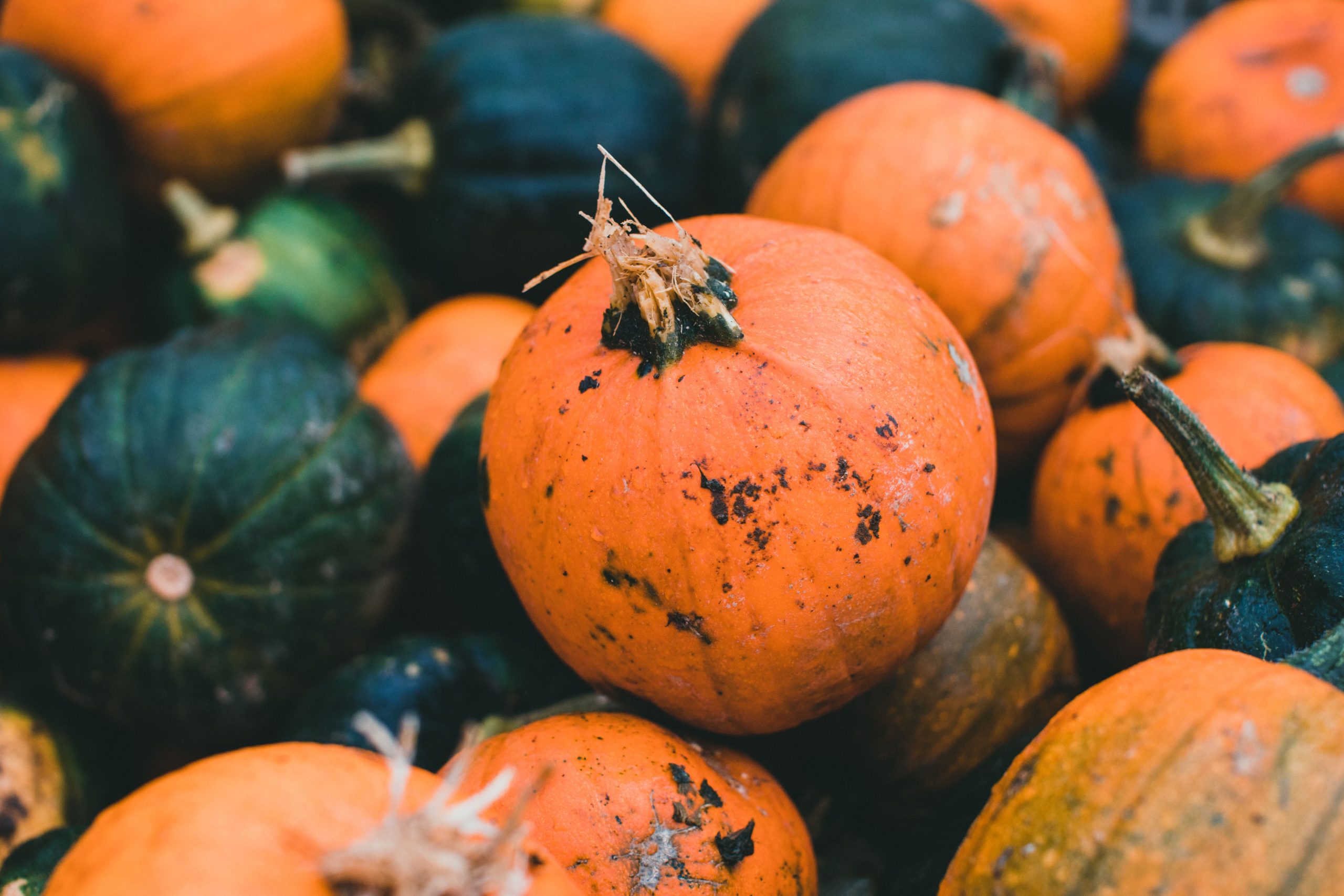
October has a way of turning ordinary food into something special. Grocery stores fill with pumpkin-flavored treats, candy displays become impossible to miss, bakeries introduce seasonal desserts, and Halloween parties offer an assortment of snacks that may only appear once a year.
For many people, these traditions are part of what makes the season fun.
But seasonal eating can also bring pressure. Social media fills with diet challenges, fitness reminders, and advice about avoiding sugar before the holidays. Some people feel they need to compensate for enjoying candy, while others approach Halloween with a list of foods they believe they should not eat.
That mindset can turn an enjoyable celebration into a source of stress.
A more balanced approach starts with a simple idea: one meal, one dessert, or one evening of Halloween treats does not define your overall eating habits.
Nutrition is shaped by patterns over time, not by whether every individual meal meets an ideal standard. You can enjoy seasonal favorites while continuing to nourish your body, respect your appetite, and make choices that support your everyday well-being.
This Halloween, the goal does not have to be eating perfectly. It can be enjoying the season without making food a source of unnecessary guilt.
Food Is Not a Test You Have to Pass
Many people grow up hearing foods described as good or bad. Vegetables are praised, sweets are treated as rewards, and indulgent meals are sometimes followed by comments about needing to make up for them.
Over time, this language can create the impression that eating is a test of discipline.
But food has many roles. It provides energy and nutrients, brings people together, carries cultural meaning, and creates memories. A Halloween cookie can be part of a celebration just as a nourishing dinner can be part of an everyday routine.
These experiences do not need to compete with each other.
Instead of dividing every food into a moral category, consider what it contributes to your overall eating pattern. Some foods provide more fiber, protein, vitamins, or minerals. Others may be enjoyed primarily for taste, pleasure, tradition, or convenience. There is room for different kinds of foods in a flexible approach to eating.
This does not mean nutrition is unimportant. It means nutrition can be considered without attaching shame to individual choices.
A balanced eating pattern can include vegetables, fruits, whole grains, protein sources, and other nutrient-rich foods while also making room for chocolate, candy, cake, and other favorites.
The important question is not whether you ate a particular treat. It is whether your overall routine supports your needs and fits your life.
Why Restriction Can Make Treats Feel More Complicated
Have you ever decided that you absolutely would not eat a certain food, only to find yourself thinking about it more often?
Strict food rules can sometimes make this experience more intense. When a favorite food becomes completely off-limits, eating it may feel like breaking a rule rather than making an ordinary choice. That can contribute to a cycle of restriction, cravings, overeating, and guilt for some people.
The experience varies from person to person, but rigid rules are not the only way to approach nutrition.
A more flexible strategy is to allow yourself to enjoy foods you like while maintaining routines that help you feel nourished and satisfied.
For example, if you love Halloween chocolate, you do not need to spend the entire month avoiding it. You can choose the varieties you enjoy, eat them when you want them, and move on with your day without treating the experience as a failure.
You also do not need to finish every piece of candy simply because it is available. Permission to enjoy a food does not mean you must eat it whenever you see it.
Flexibility gives you room to make decisions based on preference, hunger, satisfaction, and circumstance rather than fear of breaking a rule.
Keep Your Everyday Meals Consistent
One practical way to approach Halloween is to keep your usual meals and snacks as consistent as possible.
It can be tempting to skip breakfast or eat very little during the day because you expect to have candy or dessert later. However, arriving at a party extremely hungry may make it harder to recognize your hunger and fullness cues.
Instead, eat regular meals that provide the nourishment you need.
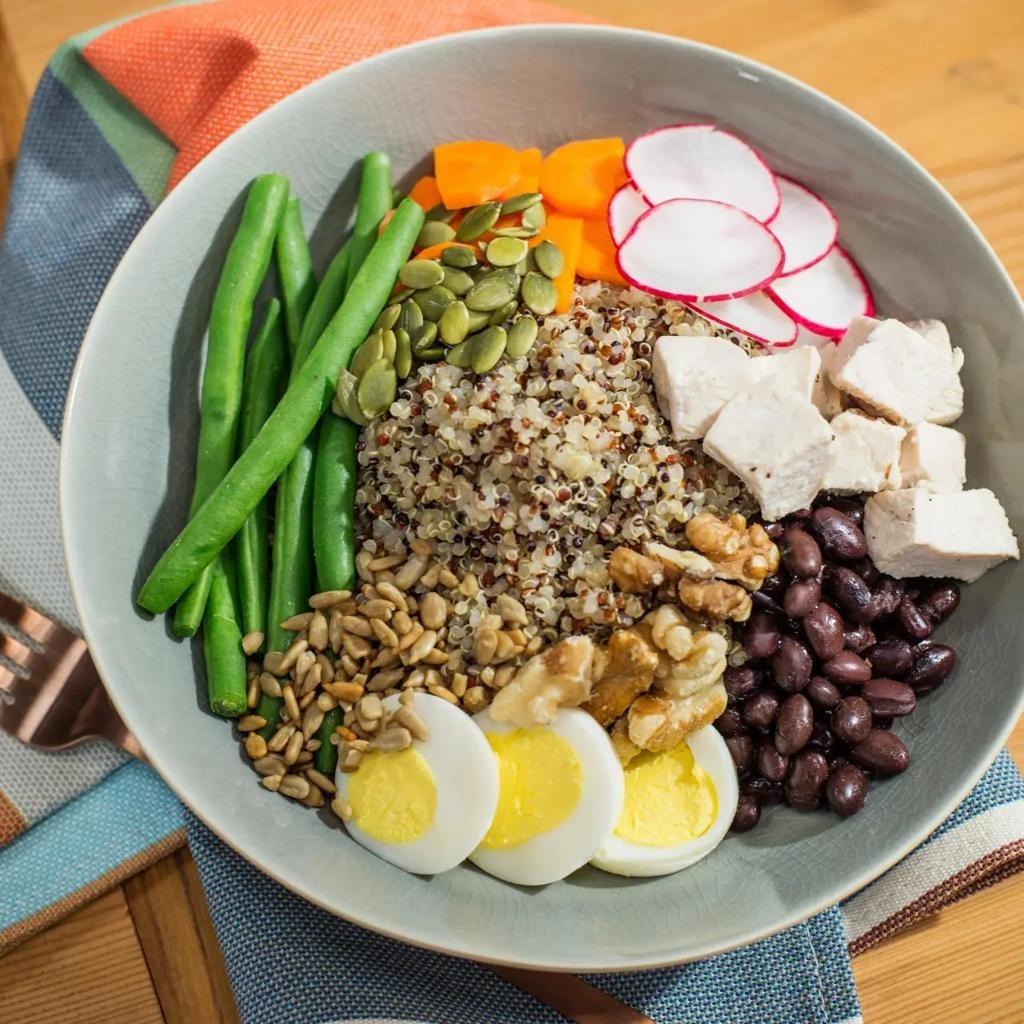
A balanced meal might include vegetables or fruit, a protein source, a carbohydrate such as whole grains or potatoes, and some fat. The exact combination will depend on your preferences, appetite, activity, culture, and individual nutritional needs.
For example, you might have oatmeal with fruit and yogurt for breakfast, a chicken or chickpea grain bowl for lunch, and a comforting dinner before heading out for Halloween activities.
These meals do not need to be unusually small or unusually strict because you plan to enjoy dessert later.
Regular eating helps make room for both nourishment and enjoyment.
If your schedule is busy, keep convenient options available. Sandwiches, leftovers, yogurt, fruit, nuts, canned beans, and frozen vegetables can all help you assemble meals without spending hours cooking.
The objective is not to earn your treats through nutritious meals. It is to maintain a routine that supports you while allowing celebrations to remain celebrations.
Enjoy Your Favorite Treats Without Turning Them Into a Project
Halloween treats are often more enjoyable when you choose what you actually want rather than following a set of rules about what you should eat.
If you love a particular chocolate bar, choose it. If your favorite seasonal dessert is a pumpkin cookie, enjoy that. If you prefer a caramel apple or a slice of cake at a party, there is no requirement to replace it with a different food simply because it seems more nutritious.
You can also pause long enough to notice the experience.
What does the food taste like? Are you enjoying it? Would you like another serving, or have you had enough?
Mindful eating is not about carefully monitoring every bite or forcing yourself to stop at a predetermined amount. It is about paying attention to your experience and making space for your own preferences and body cues.
Sometimes you may want another piece of candy. Other times, you may be satisfied after one. Both experiences can be normal.
Try not to turn a moment of enjoyment into a running calculation about how you will compensate for it later.
You do not need to justify eating a treat by choosing a smaller dinner, adding an extra workout, or promising to be more restrictive tomorrow.
Food can be enjoyed without a punishment attached.
Build a Halloween Menu That Includes More Than Candy
A balanced Halloween gathering can include both seasonal treats and foods that help guests feel satisfied.
Rather than trying to remove every sweet option, think about creating a variety of choices.
You might serve roasted vegetables with a dip, a hearty chili, sandwiches, fruit, popcorn, cheese and crackers, or a simple vegetable platter. Add the Halloween cookies, chocolate, cupcakes, or other desserts your guests enjoy.
This approach makes food more interesting and allows everyone to choose what suits them.
For a family gathering, try setting out foods in different colors and textures. Orange bell peppers, carrots, roasted sweet potatoes, grapes, apples, and pumpkin seeds can complement the traditional candy bowl without turning the event into a nutrition lesson.
If you are hosting a party, remember that not every activity needs to revolve around eating. Costume contests, pumpkin decorating, music, games, and a neighborhood walk can make the evening memorable in other ways.
Most importantly, avoid making guests feel they need to explain or defend what they put on their plates.
A celebration is more enjoyable when food choices are treated as personal rather than as evidence of discipline or failure.
What About Leftover Halloween Candy?
The days after Halloween can be just as challenging as the celebration itself. Candy may remain in a bowl on the kitchen counter, appear in office break rooms, or sit in a child’s trick-or-treat bag for weeks.
You do not need a dramatic reset to manage it.
Start by deciding what works for your household. You might keep a selection of favorite treats in a container, store them somewhere convenient but less visible, share some with willing friends, or use them in occasional desserts.
If you enjoy having candy available, you can include it in your routine without making it a special event every time you eat it.
If seeing a large quantity of candy feels distracting, changing where it is stored may help. The point is to create an environment that works for you, not to prove that you can resist temptation.
For families, consider talking about food in neutral language. Instead of describing candy as dangerous or forbidden, explain that different foods provide different things and that everyday meals help the body get the nourishment it needs.
Children can learn to enjoy treats while developing a positive relationship with food. Shame, pressure, and weight-focused comments are not necessary to teach balanced habits.
Move Because It Feels Good, Not Because You Ate Candy
Halloween often coincides with fitness challenges and messages about burning off seasonal treats.
But exercise does not need to be used as a payment for eating.
Movement has many benefits, including supporting cardiovascular health, strength, mobility, mood, and general well-being. Walking around the neighborhood, dancing at a party, playing Halloween games, or taking a favorite fitness class can all be enjoyable ways to move.
Choose activities that fit your interests and abilities.
If you go trick-or-treating with children, the walk itself may become a fun part of the evening. If you prefer a quiet night at home, you do not need to add a workout to compensate for dessert.
Your body does not need to be punished for participating in a celebration.
When exercise is connected to enjoyment, health, or stress relief rather than food repayment, it can become a more sustainable part of everyday life.
How to Respond When Food Guilt Shows Up
Even when you understand the idea of balanced eating, guilt may still appear. You might feel uncomfortable after eating more candy than you planned, compare your choices with someone else’s, or worry that a celebration has disrupted your progress toward a health goal.
When that happens, try responding with curiosity rather than criticism.
Ask yourself whether you were hungry, excited, distracted, tired, or simply enjoying the occasion. Consider whether you had eaten enough earlier in the day or whether the food was especially appealing because it was available for a limited time.
These questions are not meant to help you find something to blame. They can help you understand your experience without turning it into a judgment about your character.
Then return to your normal routine. Have your next meal when you are hungry. Drink water when you are thirsty. Rest if you are tired. Continue the habits that help you feel well.
There is no need for a detox, a day of skipped meals, or an extreme exercise session to erase Halloween.
If food guilt, restrictive rules, bingeing, or anxiety about eating frequently interferes with your life, consider seeking support from a qualified health professional or registered dietitian with experience in eating concerns. You deserve support that prioritizes both physical health and your relationship with food.
A More Sustainable Approach to Nutrition
Halloween is one of many occasions throughout the year when food becomes part of celebration. Birthdays, holidays, weddings, vacations, and family traditions all bring meals and treats that may look different from an ordinary Tuesday.
A realistic nutrition routine needs to make room for real life.
That means focusing on habits you can maintain: eating regularly, choosing a variety of foods, including sources of protein and fiber, staying hydrated, and finding enjoyable ways to move. It also means recognizing that your needs and preferences may change from day to day.
You do not need to follow a perfect plan to make meaningful progress toward your wellness goals.
A single evening of candy does not erase the meals you have prepared, the walks you have taken, or the routines you have built. Equally, one nutritious meal does not need to be treated as a reward for making a different choice earlier.
Every meal is simply another opportunity to respond to your needs.
This Halloween, let yourself participate in the traditions you enjoy. Share a dessert, choose your favorite candy, prepare a comforting dinner, or spend the evening with people you love.
Nutrition can support your life without taking over every moment of it.
A balanced approach to Halloween is not about avoiding every treat. It is about enjoying the season, caring for your body, and leaving the guilt out of the celebration.
References
- Academy of Nutrition and Dietetics — How to Handle Food Cravings
- Academy of Nutrition and Dietetics — Tips for a Healthy Halloween Party
- Harvard T.H. Chan School of Public Health — Mindful Eating
- Harvard T.H. Chan School of Public Health — Healthy Eating Plate
- Academy of Nutrition and Dietetics — Emphasizing Health vs. Weight for Body-Positive Thinking
Leave a Reply