
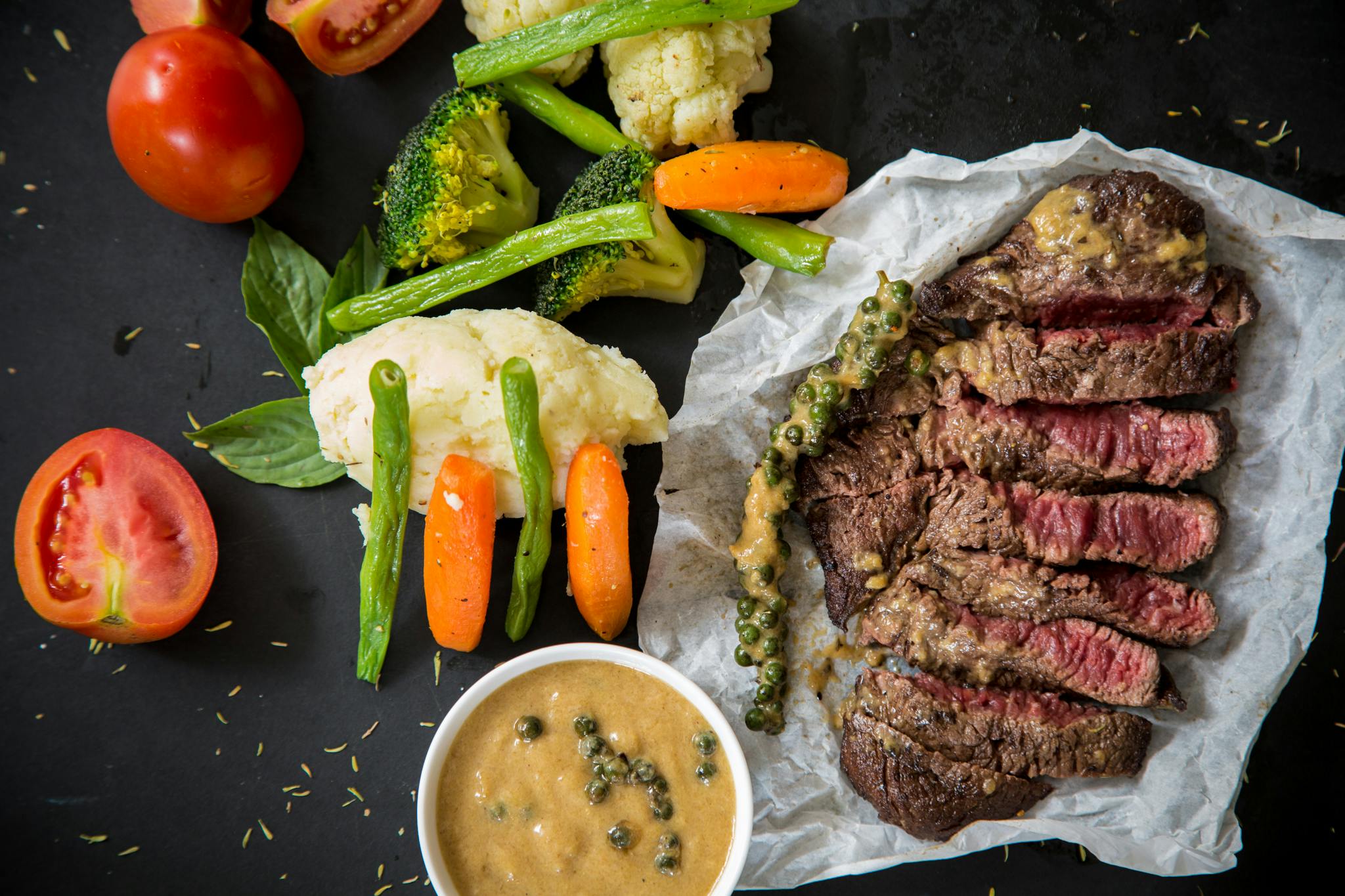
In 2026, high-protein eating has moved far beyond fitness culture and into mainstream everyday life. What was once a niche focus for athletes and gym-goers is now a general wellness habit embraced by people looking for steady energy, better satiety, and simpler meal planning. The difference now is that the emphasis is no longer just on protein content, but on making meals that are genuinely enjoyable to eat.
Instead of bland, repetitive “diet food,” the current trend is focused on flavor-first nutrition. People are building meals that balance protein with seasoning, texture, and freshness, creating dishes that feel satisfying rather than restrictive. This shift has helped high-protein eating become more sustainable as a long-term habit rather than a short-term plan.
Breakfast remains one of the strongest areas for this trend. Foods like Greek yogurt bowls, egg-based dishes, protein smoothies, and cottage cheese pairings are being elevated with fruits, nuts, honey, and spices. These combinations allow for variety while still maintaining a strong nutritional base.
Lunch and dinner trends are also evolving. Lean proteins such as chicken, turkey, fish, tofu, and legumes are being paired with grains, vegetables, and global flavors to keep meals interesting. Instead of strict meal plans, many people are opting for flexible “build-your-plate” approaches that allow for customization based on preference and availability.
Social media continues to play a major role in shaping what high-protein meals look like. Short-form cooking content often highlights visually appealing recipes that are simple, quick, and adaptable. This has made nutrition-focused eating feel more accessible, especially for people who do not identify as fitness enthusiasts but still want healthier routines.
A growing number of food creators are also focusing on texture and satisfaction, not just macros. Crispy, creamy, crunchy, and savory elements are being combined intentionally to make high-protein meals feel more indulgent without losing their nutritional value.
The popularity of high-protein eating is also tied to changing wellness priorities. Many people are focusing on energy stability throughout the day, reduced snacking, and improved focus, rather than extreme dieting or restriction. Protein-rich meals support these goals by promoting fullness and balanced energy levels.
At the same time, food brands are responding with more ready-to-eat and easy-prep options. Protein-enriched snacks, convenient meal kits, and upgraded packaged foods are making it easier to maintain these habits without requiring extensive cooking.
Importantly, the trend is moving away from rigidity. Instead of strict rules about what can and cannot be eaten, high-protein eating is being integrated into more relaxed and realistic lifestyles. This flexibility is one of the main reasons it continues to grow in popularity.
The broader shift shows that health-focused eating is no longer about limitation, but about creating meals that people genuinely want to return to.
Leave a Reply