
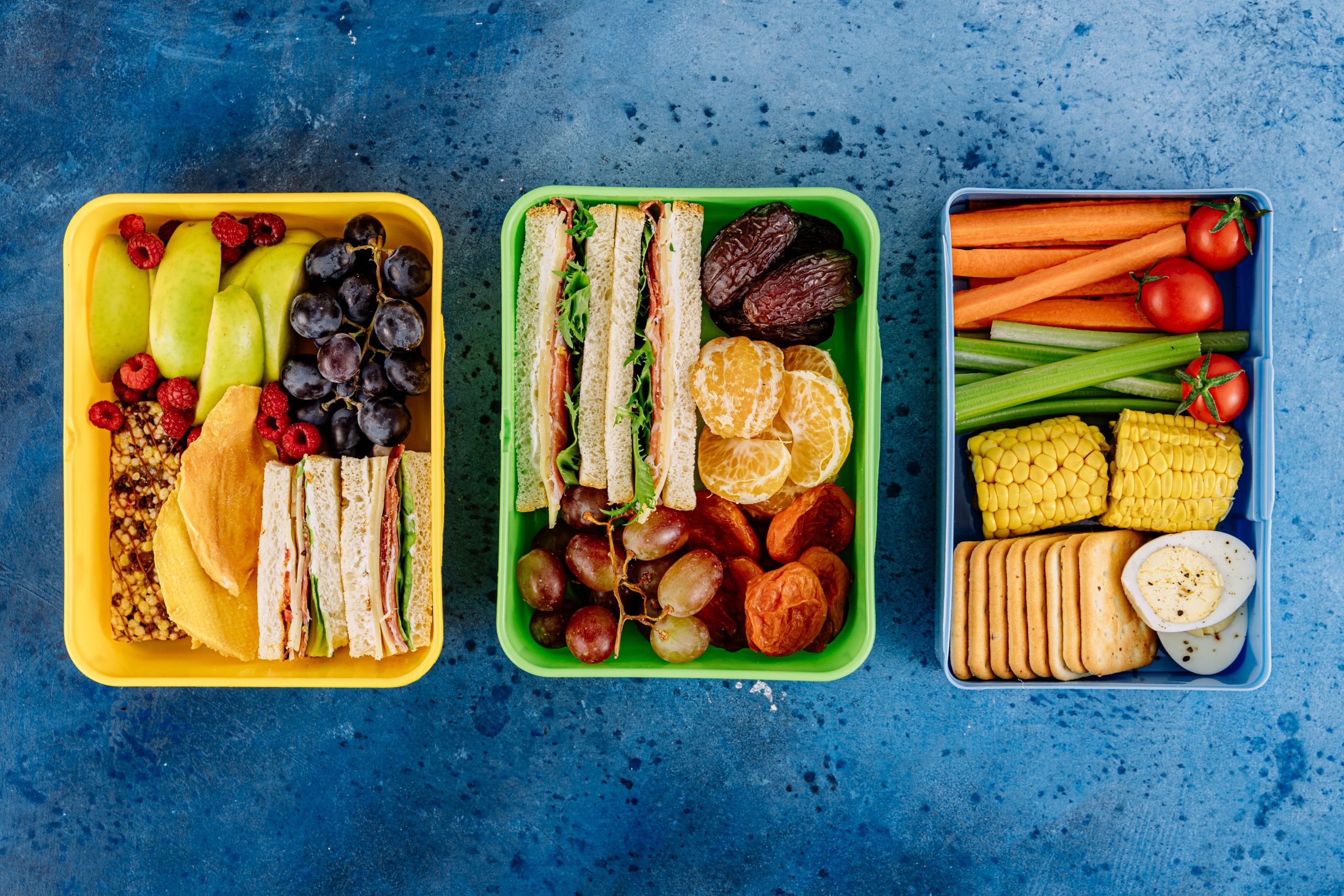
Busy schedules can make healthy eating feel like another task on an already endless to-do list. Between work, meetings, travel, entertainment commitments, social events, and unexpected changes to the day, regular meals can easily become an afterthought. But maintaining balanced eating habits does not necessarily require a perfect schedule. It often comes down to making realistic choices that fit into the life you already have.
One of the biggest challenges of a packed schedule is relying on whatever food happens to be available. When people are rushed or tired, convenience often wins. Fast food, vending-machine snacks, skipped meals, or oversized portions can become regular habits simply because they require less planning.
Preparation can make a significant difference.
Having a few reliable meals and snacks available ahead of time can reduce the need to make food decisions when time is limited. Simple options such as prepared vegetables, fruit, yogurt, eggs, lean proteins, whole grains, or easy-to-assemble meals can provide convenient choices without requiring complicated cooking.
The goal is not to prepare an entire week’s worth of elaborate meals.
It is to make the healthier choice easier to reach.
Eating consistently can also help people manage demanding schedules. Skipping meals during a busy morning may seem like a way to save time, but it can leave someone extremely hungry later in the day. That can make it more difficult to make balanced choices when convenient food becomes available.
Creating flexible meal windows can be more realistic than following a rigid timetable. Instead of expecting breakfast, lunch, and dinner to happen at exactly the same time every day, people can plan around their actual schedules while still making sure they have nutritious options available.
Portable food can also be extremely useful. For people who spend much of their day traveling between locations, keeping convenient snacks nearby can help prevent long periods without eating. Nuts, fruit, protein-rich snacks, whole-grain options, or other foods that fit individual dietary needs can be easy to carry.
Eating well while busy also means understanding that every meal does not need to be perfect.
One balanced meal does not erase an unhealthy choice, and one indulgent meal does not undo an otherwise nutritious routine. Long-term eating habits are influenced by patterns over time rather than individual meals.
This mindset can make healthy eating feel much more sustainable.
Restaurant meals can also fit into a busy lifestyle. When eating away from home, people can look for meals that include a combination of protein, vegetables, fiber-rich carbohydrates, and healthy fats. Portions can be adjusted based on hunger, and sauces or extras can be chosen according to personal preferences and nutritional goals.
Hydration is another simple habit that can be overlooked during hectic days. Keeping water accessible can make it easier to drink regularly, particularly when someone is moving between work, appointments, travel, and social activities.
Technology can help with organization as well. Meal-planning apps, grocery lists, reminders, and nutrition-tracking tools can reduce some of the mental effort involved in planning meals. The purpose is not to make eating more complicated, but to make healthy routines easier to maintain.
Flexibility is ultimately one of the most important parts of eating well with a busy schedule. Some days may allow time for cooking a full meal, while others may require something quick. A sustainable approach makes room for both.
The best eating routine is not necessarily the most restrictive or perfectly organized one.
It is the one that can survive real life.
When schedules become unpredictable, having simple options, planning ahead when possible, eating consistently, staying hydrated, and avoiding an all-or-nothing mindset can make balanced eating much easier.
Because a busy calendar does not have to mean putting wellness on pause.
Leave a Reply