
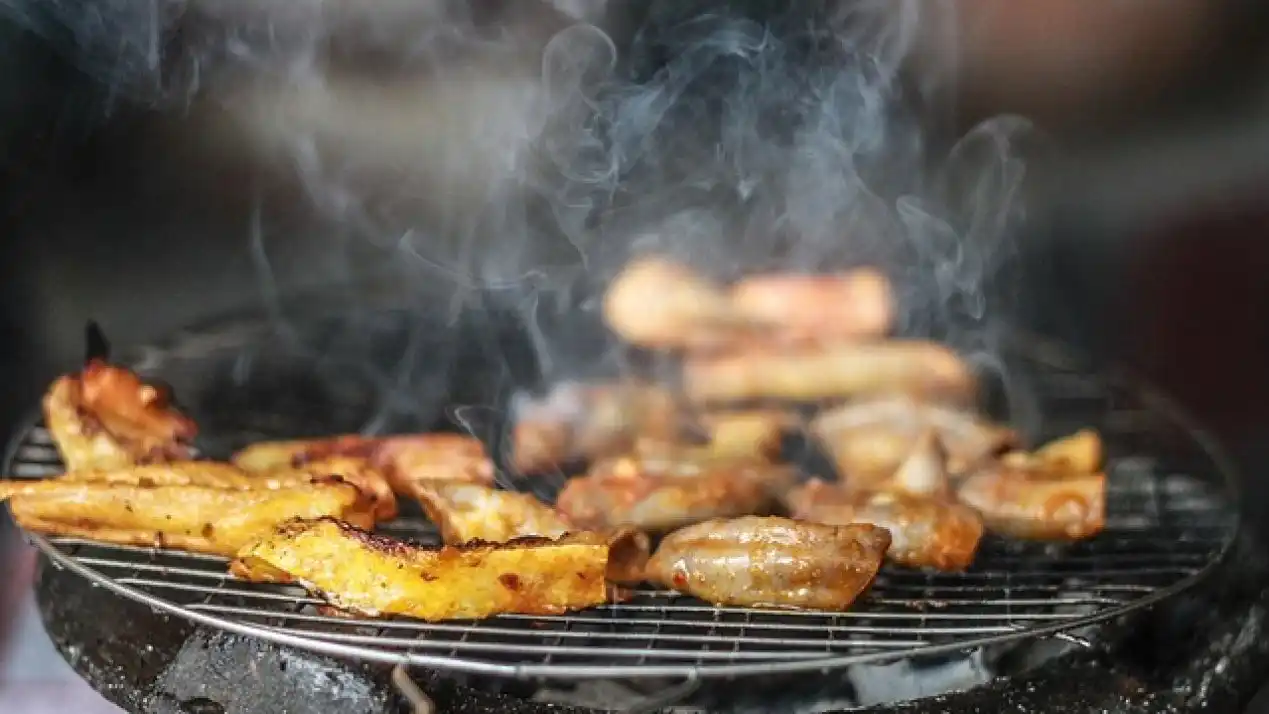
Nationwide Food Safety Crackdown Intensifies Ahead of Global Event
Mexico is significantly expanding its food safety inspections, public health monitoring systems, and agricultural controls as the country prepares to co-host the 2026 FIFA World Cup alongside the United States and Canada. With millions of international visitors expected to arrive across multiple host cities, authorities are treating this as one of the most important public safety preparations in modern history.
The government of Mexico is increasing oversight across the entire food production and distribution system, including farms, processing plants, import checkpoints, restaurants, hotels, and street food vendors. Officials say the objective is to reduce risks linked to foodborne illnesses, contamination incidents, and logistical breakdowns during the high-pressure tournament period.
The 2026 FIFA World Cup is expected to bring unprecedented tourism demand, and Mexico’s leadership is using this opportunity to strengthen both its public health systems and global reputation as a safe destination for travel and food consumption.
Why Food Safety Is Now a National Priority
Food safety has become a central policy focus because of the scale of international attention the World Cup brings. Millions of tourists will be consuming local food daily, often in unfamiliar environments, increasing the importance of strict hygiene enforcement.
Authorities are prioritizing inspection of high-risk sectors, including meat and poultry processing facilities, seafood distribution chains, fresh produce markets, and hospitality kitchens in major cities. These sectors are considered most vulnerable to contamination risks if oversight is weak.
Imported goods entering Mexico are also facing tighter inspection protocols. This includes increased sampling, testing, and verification processes to ensure compliance with international safety standards. The goal is to prevent any outbreak that could impact both local populations and visiting tourists.
The government of Mexico is also working closely with regional and municipal authorities to ensure that enforcement is consistent across all host regions, avoiding gaps that could be exploited during peak tourism periods.
Expansion of Public Health Surveillance Systems
Alongside food safety reforms, Mexico is expanding its national public health surveillance infrastructure. This includes enhanced disease tracking systems designed to detect and respond quickly to outbreaks during the World Cup period.
Public health agencies are focusing on several key risks, including foodborne illnesses such as salmonella and E. coli, respiratory infections that can spread in crowded stadium environments, and heat-related health issues in warmer host cities.
Hospitals in World Cup host regions are being instructed to increase preparedness levels by expanding emergency staffing, improving patient intake systems, and ensuring rapid coordination with national health authorities. Emergency response drills are also being conducted to simulate mass-casualty or outbreak scenarios.
Health officials emphasize that early detection is critical during large-scale international events, where diseases can spread quickly due to high mobility and dense crowds.
Agricultural Safety and Export Protection Measures
Agriculture plays a crucial role in Mexico’s economy, making agricultural safety a key part of World Cup preparations. Authorities are increasing oversight of pesticide use, livestock disease prevention, irrigation safety, and cold-chain logistics for perishable goods.
These measures are designed not only to protect public health but also to safeguard Mexico’s international trade reputation. Agricultural exports are a major contributor to the national economy, particularly in trade relationships with North America and Europe.
Stricter monitoring of farm-to-market supply chains is being implemented to ensure that produce and animal products meet both domestic and international safety standards. This includes improved traceability systems that allow regulators to track products from origin to distribution.
Officials say that maintaining strong agricultural standards during the World Cup is essential because any contamination incident could have long-term effects on export confidence and tourism perception.
World Cup as a Catalyst for Rapid Policy Reform
The 2026 FIFA World Cup is acting as a major catalyst for regulatory acceleration in Mexico. Many of the reforms being implemented now were previously planned as long-term initiatives, but the approaching tournament has created urgency for faster execution.
With millions of tourists expected to travel between stadium cities, authorities are under pressure to ensure that food service, hospitality, transportation, and healthcare systems operate at international standards.
Restaurants and hotels in host cities are undergoing more frequent inspections, with stricter compliance requirements related to food handling, storage temperatures, cleanliness, and staff training. Street food vendors, who represent a major part of Mexico’s cultural tourism identity, are also being incorporated into formal regulatory frameworks.
Rather than restricting traditional food culture, the government is focusing on formalizing and improving hygiene standards to ensure safety without removing cultural authenticity.
Street Food Regulation and Cultural Balance
Street food is one of Mexico’s most recognizable cultural attractions, drawing millions of visitors annually. However, it also presents unique regulatory challenges due to its informal structure and high volume of small vendors.
To address this, authorities are expanding vendor registration systems, hygiene certification programs, and access to clean water and sanitation resources. Portable inspection teams are being deployed in tourist-heavy zones to conduct real-time compliance checks.
Training programs are also being rolled out to educate vendors on safe food preparation practices, including proper storage temperatures, cross-contamination prevention, and safe ingredient sourcing.
The government’s approach aims to preserve Mexico’s vibrant street food culture while ensuring it meets safety expectations during one of the most globally visible events in history.
Coordination Between Government Levels
One of the biggest challenges in implementing nationwide safety improvements is coordination across federal, state, and municipal agencies.
Historically, enforcement has been uneven due to differences in resources, infrastructure, and administrative capacity. To address this, Mexico is introducing improved digital tracking systems, centralized reporting platforms, and faster communication channels between agencies.
This includes real-time data sharing on inspection results, outbreak reports, and compliance violations. Authorities hope this will significantly improve response times and reduce the risk of localized safety failures escalating into larger public health issues.
Interagency coordination is considered essential for managing the scale and complexity of World Cup preparations.
Economic Impact and Tourism Expectations
The economic stakes behind Mexico’s food safety and public health efforts are significant. The World Cup is expected to generate billions in tourism revenue, hospitality spending, and global media exposure.
However, this opportunity also comes with risks. Any major foodborne illness outbreak or public health incident could quickly go viral on social media, damaging Mexico’s reputation as a safe travel destination.
Tourism experts emphasize that food safety is one of the most influential factors in visitor satisfaction. Tourists may tolerate transportation delays or crowded venues, but health-related incidents can have long-lasting effects on perception and return travel behavior.
As a result, Mexico is positioning food safety not only as a health issue but also as a critical economic strategy.
Risks and Operational Challenges
Despite strong preparation efforts, several risks remain. Enforcement inconsistency across rural and urban areas continues to be a challenge, particularly in informal markets where regulatory oversight is limited.
Increased tourist demand may also strain supply chains, leading to shortages or quality control issues in certain regions. Additionally, extreme weather conditions in some host cities could create further pressure on food storage and transportation systems.
Another concern is maintaining consistent compliance among thousands of small vendors and businesses operating in high-traffic areas.
Authorities acknowledge that continuous monitoring and adaptive enforcement will be necessary throughout the tournament period.
Global Sporting Events as Drivers of Reform
Experts note that global sporting events often act as accelerators for infrastructure and policy improvements. Host countries typically use these events as deadlines to modernize systems that might otherwise take years to upgrade.
In Mexico’s case, the World Cup is driving rapid improvements in food safety systems, public health surveillance, and interagency coordination. These upgrades are expected to extend beyond the tournament itself, potentially leaving a long-term legacy of stronger regulatory frameworks.
If successfully implemented, these changes could improve not only tourism safety but also domestic public health outcomes and agricultural competitiveness.
Long-Term Outlook Beyond 2026
Looking beyond the World Cup, Mexico’s current reforms could reshape its food safety and public health landscape for years to come. Strengthened inspection systems, better-trained vendors, and improved disease surveillance networks may continue operating long after the tournament ends.
The hope among policymakers is that the infrastructure built for the World Cup will serve as a permanent upgrade to national systems rather than a temporary solution.
If sustained, these reforms could enhance Mexico’s global reputation, increase tourism competitiveness, and strengthen trust in its agricultural exports.
Conclusion: A Global Event Driving National Transformation
As the 2026 FIFA World Cup approaches, Mexico is intensifying efforts to modernize its food safety, public health, and agricultural systems in preparation for one of the world’s largest international events.
The government of Mexico is leveraging the tournament as an opportunity to accelerate long-needed reforms while ensuring the safety of millions of visitors.
While challenges remain in enforcement, coordination, and infrastructure, the overall direction reflects a strong commitment to public safety and global readiness.
Ultimately, the World Cup is not only a sporting event for Mexico but also a catalyst for national transformation in health, food regulation, and international perception.
Citation Section
FIFA World Cup 2026 official information: FIFA World Cup
World Health Organization food safety standards: WHO Food Safety
Food and Agriculture Organization guidelines: FAO Agriculture
Global news coverage and policy context: Reuters World News
Leave a Reply