
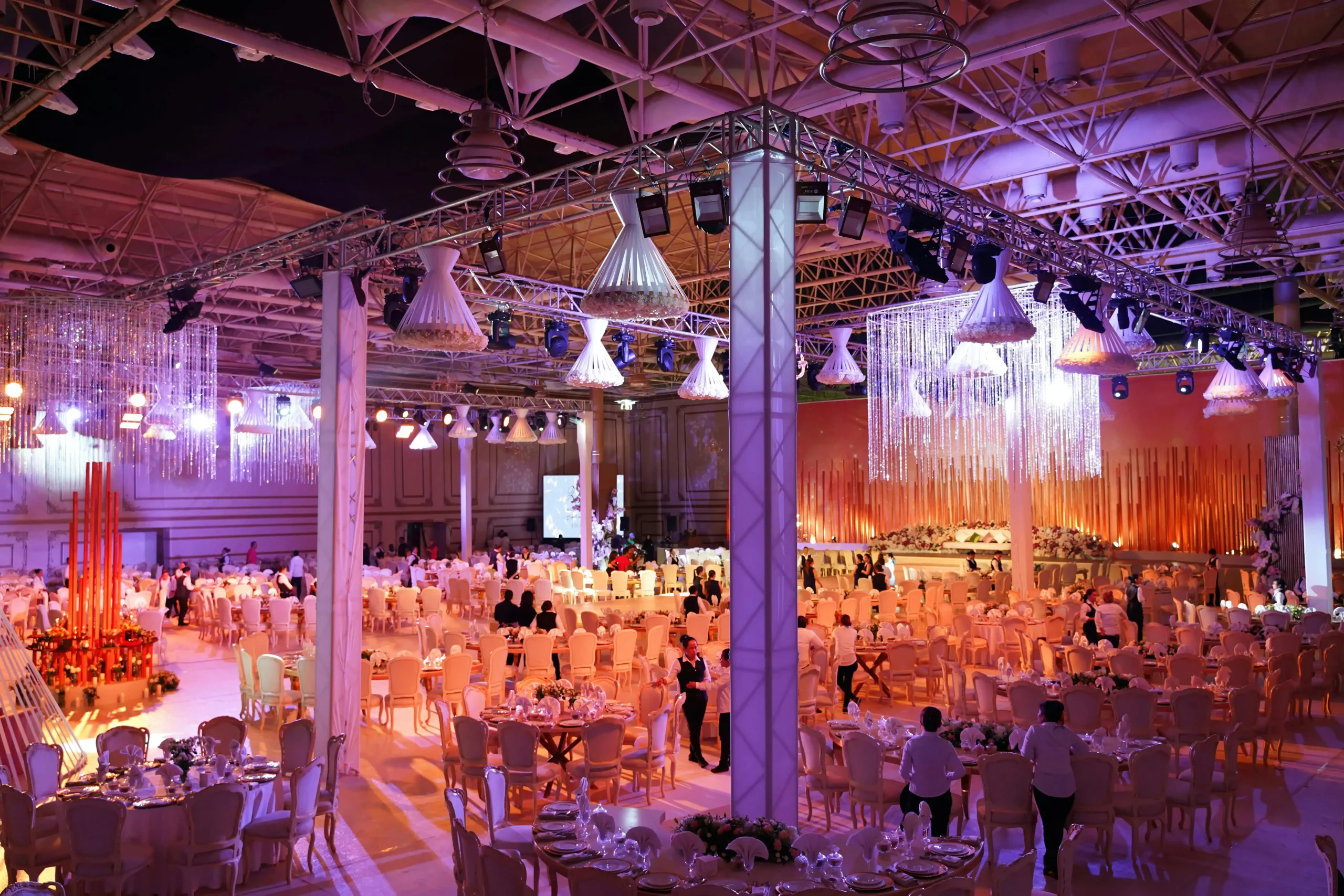
The rise of large-scale MAHA conferences and expos has created a noticeable shift in America’s wellness economy. Short for “Make America Healthy Again,” the MAHA movement has expanded beyond online conversations and political debates into real-world events that attract thousands of attendees, wellness brands, healthcare advocates, entrepreneurs, nutrition experts, and alternative health practitioners.
As these gatherings continue to grow across the United States, their economic impact is becoming impossible to ignore. Hotels, restaurants, airlines, local businesses, vendors, media outlets, and health-focused startups are all benefiting from the surge in attendance and consumer interest. MAHA events are no longer just political or health-centered rallies—they have evolved into major economic engines for local communities and the wellness industry.
From ticket sales and sponsorship deals to tourism revenue and product launches, MAHA conferences are helping shape a new market centered around preventive health, holistic wellness, organic living, and alternative healthcare discussions. This article explores how these events are influencing local economies, generating business opportunities, and transforming the wellness event industry in 2026.
The Growing Popularity of MAHA Events
The popularity of MAHA events has increased dramatically in recent years. What started as a niche health movement has become a nationwide phenomenon fueled by growing public interest in nutrition, clean eating, wellness education, and healthcare reform.
Public discussions surrounding chronic illness, food quality, pharmaceutical influence, and preventive healthcare have attracted audiences from diverse backgrounds. Families, fitness enthusiasts, healthcare professionals, and entrepreneurs now attend MAHA expos to learn about new wellness trends, connect with experts, and discover products aligned with healthier lifestyles.
The movement has also gained traction through social media platforms, podcasts, livestreams, and wellness influencers. Online engagement often translates into real-world attendance, leading to sold-out events and expanding conference schedules nationwide.
Major speakers connected to health freedom discussions, including figures associated with Robert F. Kennedy Jr., have contributed to public curiosity and media attention surrounding MAHA-related gatherings.
As attendance rises, so does the financial value generated by these events.
Tourism Revenue Generated by MAHA Conferences
One of the most immediate economic benefits of large MAHA events is tourism revenue. Cities hosting wellness expos and conferences experience increased spending from visitors who travel specifically to attend these gatherings.
Attendees often spend money on:
- Hotel accommodations
- Transportation services
- Restaurants and cafes
- Local attractions
- Retail shopping
- Ride-sharing services
- Entertainment venues
For local economies, even a three-day conference can generate millions of dollars in direct spending.
Convention centers and hotels particularly benefit from large MAHA gatherings because attendees frequently book multi-night stays. This creates a ripple effect that supports hospitality workers, transportation companies, and nearby businesses.
Cities that host recurring wellness events often experience repeat tourism as attendees return annually or extend their trips into wellness-focused vacations.
According to the official website of Visit Orlando, conferences and conventions contribute billions annually to local economies through tourism spending and hospitality services. Similar economic patterns are now emerging around major wellness and health-focused expos.
The Expansion of the Wellness Industry
The wellness industry itself has become one of the fastest-growing sectors in the global economy. MAHA events are helping accelerate this expansion by providing a marketplace where brands can directly connect with consumers.
Businesses participating in MAHA expos often include:
- Organic food companies
- Supplement brands
- Fitness businesses
- Holistic wellness clinics
- Health coaching services
- Natural skincare companies
- Biohacking startups
- Alternative medicine practitioners
These expos allow businesses to showcase products, build customer relationships, and generate direct sales. For many startups, conferences serve as launchpads for national exposure.
The global wellness economy has reached trillions of dollars according to research from Global Wellness Institute, with wellness tourism, nutrition, preventive health, and personal care driving major growth sectors.
MAHA events contribute to this economic ecosystem by creating physical spaces where consumers and businesses interact face-to-face.
Small Businesses and Entrepreneurial Opportunities
One of the most important economic effects of MAHA expos is the opportunity they create for small businesses and entrepreneurs.
Many wellness entrepreneurs rely heavily on expos and conferences to market their products. Unlike traditional retail environments, MAHA events offer direct access to highly targeted audiences already interested in health and wellness solutions.
This environment benefits:
- Handmade wellness brands
- Local organic farms
- Independent supplement companies
- Health coaches
- Fitness trainers
- Wellness authors
- Holistic practitioners
Vendor booths often become high-revenue opportunities, especially for businesses with unique products or strong social media followings.
For startup companies, participating in MAHA conferences can significantly reduce customer acquisition costs because attendees are already engaged in wellness-focused purchasing behavior.
The rise of independent wellness entrepreneurship has mirrored broader consumer trends favoring small, mission-driven brands over large corporations.
Sponsorships and Corporate Investment
As MAHA events gain popularity, sponsorship opportunities have become increasingly valuable. Companies are investing heavily in event partnerships to reach audiences interested in wellness, natural living, and preventive healthcare.
Sponsors often include:
- Health supplement companies
- Fitness apparel brands
- Organic food manufacturers
- Wellness technology firms
- Health-focused media outlets
- Alternative healthcare platforms
Corporate investment helps organizers scale events into large conventions with professional production, celebrity speakers, workshops, and entertainment experiences.
Sponsors benefit through:
- Brand visibility
- Product sampling
- Consumer data collection
- Social media exposure
- Influencer collaborations
- Live product demonstrations
The financial relationship between sponsors and wellness expos continues to grow as brands recognize the purchasing power of health-conscious consumers.
Many wellness companies now allocate substantial portions of their annual marketing budgets to experiential events rather than traditional advertising campaigns.
Job Creation and Temporary Employment
Large conferences create jobs both directly and indirectly. MAHA expos are no exception.
Temporary employment opportunities generated by these events include:
- Event staff
- Security personnel
- Food service workers
- Production crews
- Marketing teams
- Transportation workers
- Setup and logistics crews
- Audio and visual technicians
Hotels and restaurants may also hire additional workers during large conferences due to increased demand.
For cities hosting recurring events, the economic benefits become more sustainable over time because businesses can anticipate seasonal increases in tourism and staffing needs.
Event management itself has become a growing industry segment as health conferences increase in scale and frequency.
According to industry data from U.S. Bureau of Labor Statistics, meeting and event planning continues to experience strong growth due to rising demand for conferences, expos, and large-scale experiences.
Media Coverage and Digital Marketing Impact
MAHA conferences generate substantial online attention through livestreams, podcasts, social media content, and influencer coverage.
This media ecosystem creates additional economic value through:
- Advertising revenue
- Podcast sponsorships
- YouTube monetization
- Affiliate marketing
- Influencer partnerships
- Digital course promotions
Content creators attending MAHA expos often produce interviews, event recaps, educational videos, and product reviews that extend the event’s reach far beyond physical attendees.
In many cases, digital engagement surrounding a conference may continue for weeks or months after the event concludes.
This prolonged visibility benefits vendors, speakers, and sponsors who gain continued exposure through online discussions.
The connection between wellness culture and social media marketing has become a major driver of event profitability.
Real Estate and Local Development Effects
Cities that consistently host successful wellness conferences may experience broader economic development over time.
Areas surrounding convention centers often benefit from:
- Increased property demand
- Retail expansion
- Restaurant growth
- New hotel construction
- Wellness business openings
Some cities actively compete to attract conferences because of the long-term financial benefits associated with event tourism.
Wellness-focused development projects may also emerge as cities attempt to position themselves as destinations for health-conscious travelers and entrepreneurs.
This trend aligns with the broader rise of wellness tourism, where consumers seek destinations that support healthier lifestyles, fitness, nutrition, and relaxation.
Research from Global Wellness Institute Wellness Tourism Research highlights how wellness travel continues to outperform traditional tourism growth in several markets.
Consumer Spending Trends at Wellness Expos
MAHA attendees are often highly motivated consumers willing to invest in health-related products and services.
Popular spending categories include:
- Supplements
- Organic foods
- Fitness programs
- Health technology
- Wellness retreats
- Educational courses
- Natural beauty products
- Detox programs
Consumers attending these events frequently view purchases as investments in long-term health rather than discretionary spending.
This mindset increases average transaction values compared to traditional trade shows.
Live demonstrations, educational workshops, and expert panels also influence purchasing behavior by building consumer trust and emotional connection.
Many attendees discover brands for the first time at conferences and later become long-term online customers.
The Role of Influencers and Celebrity Speakers
Celebrity appearances and influencer participation significantly increase the visibility and profitability of MAHA events.
High-profile speakers attract ticket sales, media attention, and sponsorship interest. Influencers amplify event reach through:
- Instagram content
- TikTok videos
- Podcast interviews
- YouTube vlogs
- Livestream coverage
This digital promotion creates additional economic value because event marketing continues organically through audience sharing.
Influencer-driven commerce has become one of the most important aspects of modern wellness marketing.
Many wellness brands now prioritize partnerships with creators who align with MAHA-style health messaging.
Public figures associated with wellness discussions, healthcare reform, and alternative medicine often serve as major attractions for conference audiences.
Criticism and Economic Controversy
Despite their popularity, MAHA conferences also face criticism and controversy.
Some healthcare professionals express concerns about misinformation surrounding alternative medicine, vaccine discussions, and unverified wellness claims.
Critics argue that certain events may profit from fear-based marketing or promote products lacking strong scientific evidence.
Supporters, however, view MAHA expos as platforms for open dialogue, health education, and consumer empowerment.
From an economic perspective, controversy itself can sometimes increase public attention and media visibility, leading to greater ticket sales and online engagement.
This dynamic is common across politically and culturally polarizing events.
The debate surrounding wellness movements continues to shape public interest and media coverage.
Technology and Innovation at MAHA Events
Technology has become a major component of modern wellness expos.
Attendees now encounter innovations such as:
- AI-powered health tracking
- Wearable fitness devices
- Personalized nutrition testing
- Biofeedback systems
- Telehealth platforms
- Wellness apps
Tech startups increasingly use conferences to launch products directly to health-conscious audiences.
This intersection between wellness and technology has attracted investors interested in the growing health-tech market.
The expansion of personalized health solutions may continue driving future economic growth connected to MAHA events.
Companies blending technology with preventive healthcare are particularly well-positioned in the evolving wellness economy.
The Future of MAHA Conferences and Expos
The future of MAHA events appears closely tied to broader trends in consumer health awareness, wellness tourism, and healthcare dissatisfaction.
Several factors suggest continued growth:
- Increased interest in preventive health
- Rising wellness spending
- Growth of health-focused entrepreneurship
- Expanding wellness tourism
- Social media influence
- Consumer demand for natural products
As the movement evolves, conferences may become even more professionalized, with larger venues, stronger corporate partnerships, and international expansion.
Hybrid events combining in-person attendance with livestream access may also increase profitability while expanding global audiences.
The economic influence of MAHA expos could continue growing as wellness culture becomes more integrated into mainstream consumer behavior.
Conclusion
Large-scale MAHA conferences and expos are becoming major contributors to the modern wellness economy. Beyond political conversations and health debates, these events generate real financial impact for cities, businesses, entrepreneurs, and the broader hospitality industry.
Tourism revenue, sponsorships, consumer spending, media exposure, and entrepreneurial opportunities all contribute to the growing economic significance of MAHA gatherings.
As wellness culture continues expanding in 2026, MAHA events represent more than temporary trends. They reflect changing consumer priorities surrounding health, lifestyle, and preventive care.
Whether viewed as educational platforms, networking hubs, political movements, or business opportunities, MAHA conferences are reshaping how the wellness industry connects with consumers and generates economic growth.
Leave a Reply