
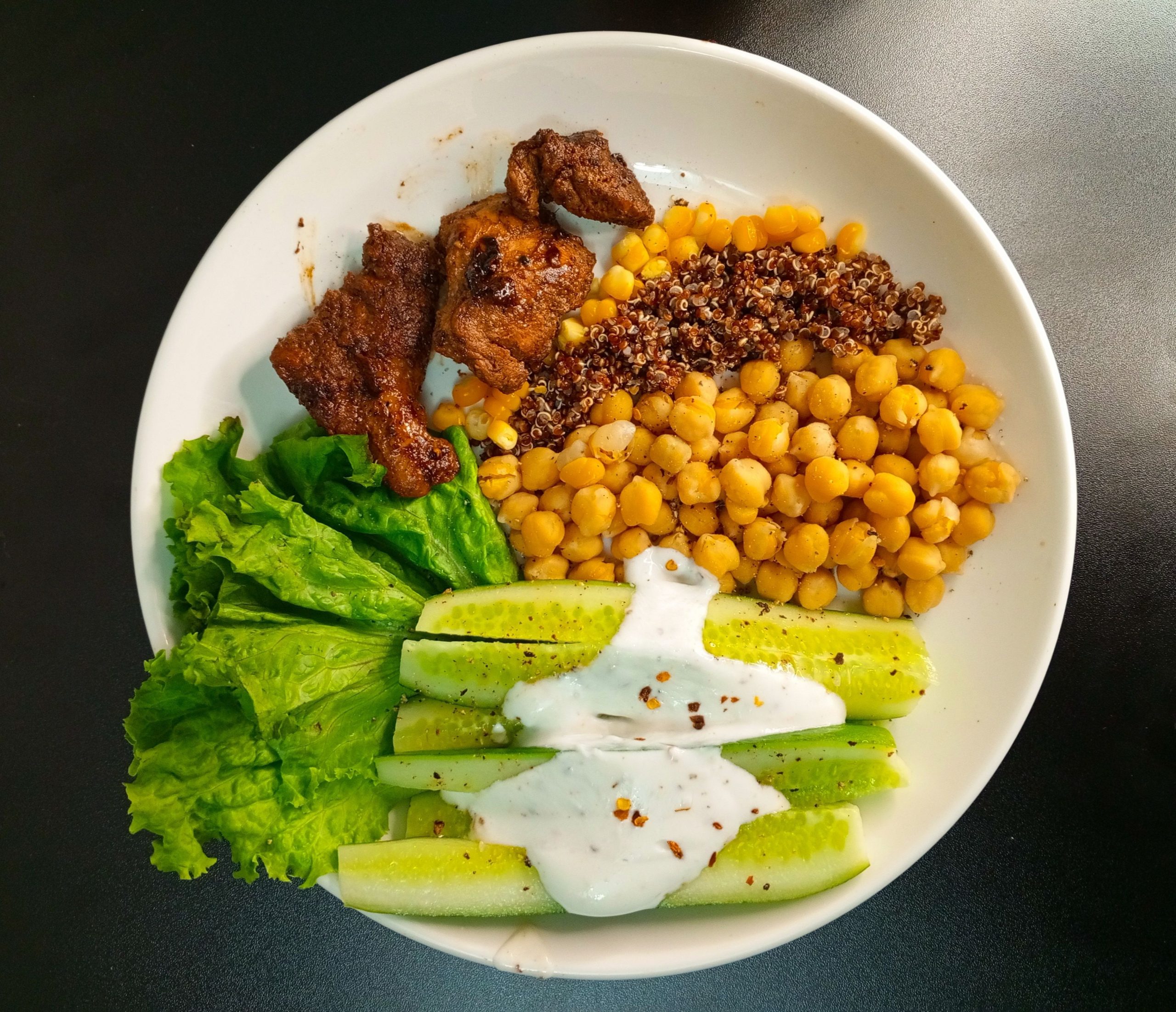
Healthy eating is gradually moving away from rigid rules and extreme restrictions toward something more practical, flexible, and sustainable. Instead of complicated diets or strict food categories, more people are focusing on simple meals that can be repeated in everyday life without stress or burnout.
This shift reflects a broader understanding of nutrition: consistency matters more than perfection. A single “clean” meal does little on its own, but simple, balanced eating patterns over time have a far greater impact on overall health and energy levels.
One of the biggest changes is the decline of overly restrictive dieting. Many people are stepping away from plans that eliminate entire food groups or require constant tracking. In their place, there is a growing preference for balanced meals that include protein, fiber, healthy fats, and carbohydrates in realistic portions.
Public figures such as Gwyneth Paltrow and David Beckham often appear in discussions around modern wellness and nutrition, reflecting a wider cultural interest in maintaining health through balanced, long-term habits rather than extreme short-term approaches.
Another key factor is time. Modern lifestyles leave less room for complex meal preparation, so simplicity has become essential. People are increasingly drawn to meals that require minimal ingredients, short cooking times, and repeatable structures that reduce daily decision fatigue.
Social media has also influenced this trend. Instead of showcasing strict diets, many creators now share “what I actually eat” content, focusing on realistic meals that fit into busy schedules. This has helped normalize the idea that healthy eating does not need to be complicated or visually perfect.
Nutritionists themselves have increasingly emphasized practicality. Instead of prescribing rigid meal plans, many now recommend adaptable frameworks—such as building meals around protein and plants—allowing individuals to adjust based on preference, culture, and availability.
There is also a growing awareness of mental health in relation to food. Highly restrictive diets can create stress, guilt, and inconsistency. In contrast, flexible approaches tend to support a healthier long-term relationship with eating, where food is both nourishing and enjoyable.
Convenience foods have also evolved to support this shift. Healthier ready-made options, meal kits, and improved packaged foods are making it easier to maintain balanced eating patterns without requiring extensive preparation.
Ultimately, the direction of modern nutrition is clear: sustainability over restriction. Healthy eating is no longer about doing everything perfectly—it is about building simple habits that can actually be maintained in real life.
Leave a Reply