
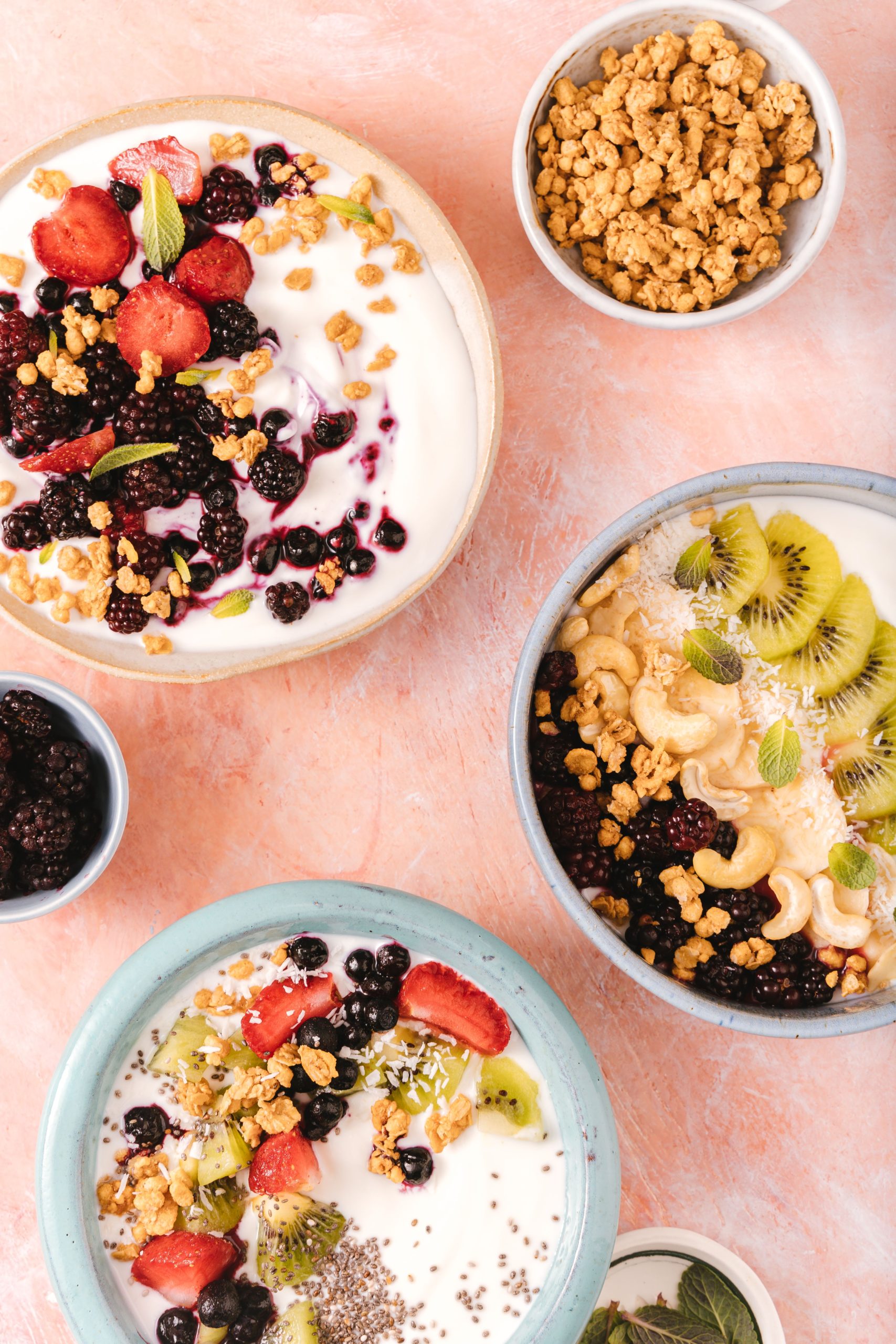
For the past few years, protein has been the undisputed star of the wellness food aisle. Protein bars filled grocery shelves, protein drinks moved beyond the gym, protein appeared in cereal, snacks, desserts and even foods that traditionally had little connection to sports nutrition. Shoppers learned to look for grams of protein on nearly every package, while brands competed to add more protein to everyday products. But in 2026, the functional food conversation is becoming noticeably bigger. Protein is still important, but consumers are increasingly asking what else their food can do for them. Fiber, gut-friendly ingredients, hydration, probiotics, prebiotics, whole grains, omega-3s and other functional ingredients are becoming part of a broader approach to everyday wellness. Recent consumer research from Ipsos found that 31% of Americans were seeking foods and beverages with more fiber compared with the previous year, while 43% were seeking more protein and 37% were looking for reduced sugar or sugar alternatives. The numbers show that protein remains powerful, but it is no longer the only nutrient shaping what people want to eat.
This shift is changing what the phrase “functional food” actually means. A functional food used to sound like something highly specialized, perhaps a supplement disguised as a snack or a product designed for a very specific nutritional purpose. Now the idea is becoming much more ordinary. Consumers increasingly want everyday foods to fit into their wellness routines without requiring an entirely separate lifestyle. Breakfast can provide fiber. A snack can include seeds and whole grains. A drink can support hydration. Yogurt can provide live cultures. A meal can combine protein, vegetables and whole-food carbohydrates. The goal is becoming less about finding one miracle ingredient and more about building meals that provide several useful nutritional qualities at once.
Fiber is at the center of that change. Whole Foods Market identified “Focus on Fiber” as one of its major food trends for 2026, pointing to growing interest in gut health, digestive wellness and foods that help people feel fuller. The retailer also noted that fiber-forward products are appearing in categories such as pasta, bread, crackers, bars and beverages, while ingredients including chicory, cassava, konjac and oats are showing up in products designed around prebiotic or digestive benefits.
That is significant because fiber has historically had a much quieter reputation than protein. Protein has been associated with muscle, strength, fitness and satiety, making it easy to market in bold numbers on the front of a package. Fiber has often been treated as something consumers should simply get enough of. Now that perception is changing. People are hearing more about the relationship between fiber and digestion, the gut microbiome, fullness and broader health, and social media has helped turn once-obscure nutrition terminology into everyday food vocabulary.
The rise of “fibermaxxing” is a good example. The phrase became popular online as people began sharing ways to increase their daily fiber intake through foods such as chia seeds, berries, beans, oats, vegetables and whole grains. But the more interesting development is that the conversation is beginning to move beyond simply getting the biggest possible number of grams. Food industry coverage in 2026 has described a shift toward “fibermixing,” or combining different types of fiber rather than treating fiber as one interchangeable ingredient. Search interest in fibermaxxing has also grown substantially, suggesting that consumer awareness of fiber is becoming broader than a short-lived social-media trend.
That distinction matters because fiber is not one single substance with one single function. Different types of fiber behave differently in the body. Some soluble fibers can help form a gel-like substance during digestion, while insoluble fiber contributes to normal bowel regularity. Prebiotic fibers can also interact with the microorganisms living in the gut. This is one reason nutrition experts generally emphasize variety rather than simply chasing the highest possible fiber number.
The broader wellness movement is increasingly interested in that kind of complexity. Consumers are beginning to understand that one nutrient does not have to carry an entire diet. A food can be valuable because it contains fiber, vitamins, minerals, healthy fats, antioxidants and other naturally occurring compounds at the same time. That makes whole foods particularly interesting in the functional-food conversation.
Beans are a perfect example. They contain fiber and plant protein, and they can be incorporated into soups, salads, grain bowls, dips, stews and countless other meals. Lentils offer another combination of protein and fiber while working in everything from curries to salads. Oats provide soluble fiber and can be used for breakfast, snacks and baking. Berries bring fiber and plant compounds alongside their natural sweetness. Nuts and seeds provide combinations of healthy fats, protein, fiber and minerals. Vegetables contribute fiber while also bringing different vitamins, minerals and phytochemicals to the plate.
The important shift is that consumers do not necessarily have to buy a product labeled “functional” to eat functional food. Some of the most useful foods are the ones that have been in kitchens for generations.
That is not stopping food companies from finding new ways to package them, however. The 2026 functional nutrition market is increasingly about adding familiar nutritional benefits to convenient formats. Innova Market Insights reports that consumers want functional nutrition integrated into their existing routines, with brands developing products around hydration, gut health, energy and other wellness priorities. The company also identifies protein, fiber and gut-health-oriented products as areas being influenced by changing lifestyles, including the growing use of GLP-1 medications.
Convenience is a major reason this category continues to grow. People may understand that beans, oats, vegetables and whole grains are useful foods, but they also want options that fit into busy mornings and packed schedules. That is why fiber is appearing in products such as breads, pastas, crackers, bars and beverages. The functional-food market is trying to make nutritional goals easier to incorporate into everyday life rather than requiring people to completely redesign their routines.
That same idea is visible in the growing interest in functional beverages. Prebiotic sodas, fortified waters, electrolyte drinks and drinks containing botanical or other functional ingredients are increasingly competing for space in the same refrigerators that once held mostly traditional soft drinks. The appeal is obvious: drinking something is already a daily habit, so adding a functional ingredient can feel like an easy way to attach a wellness goal to an existing routine.
Hydration has become particularly important. Innova’s 2026 functional nutrition research found that 41% of global consumers said hydration was an adjustment they had made to their diets. The company also points to portable formats such as effervescent products, gummies and other convenient delivery systems as part of the way brands are responding to consumers who want wellness benefits without adding complicated steps to their routines.
But the growth of functional food also raises an important question: how much functionality does a person actually need in a packaged product?
The answer is not necessarily “more.”
There is a temptation in wellness culture to turn every meal into a nutritional optimization project. A yogurt needs extra protein. A drink needs electrolytes. A snack needs prebiotic fiber. A cereal needs added vitamins. A dessert needs collagen. A coffee needs adaptogens. Eventually, an ordinary snack can start to resemble a supplement label.
That is where the idea of balance becomes important.
Food can support wellness without every ingredient needing a specific claim. A bowl of oatmeal with berries and nuts does not need a dozen functional ingredients to be useful. A lentil soup can provide fiber, plant protein and a range of nutrients without being marketed as a “functional superfood.” A meal containing vegetables, whole grains, beans and a source of healthy fat can provide a combination of nutritional benefits without requiring a special package.
This may actually be one of the more promising developments in the functional-food movement. The category is slowly moving away from the idea that one ingredient has to do everything.
Protein is still part of the picture. In fact, industry research continues to show that protein remains one of the leading nutritional priorities for consumers in North America. Innova’s 2026 U.S. and Canada food-trend analysis says protein and fiber remain among the leading in-demand nutrients, while also noting that consumers are increasingly interested in broader areas such as mental wellness and more transparent formulations.
The point is not that protein is suddenly irrelevant.
It is that protein is becoming one piece of a larger nutritional puzzle.
That change is especially noticeable in snacks. The first wave of functional snacks often focused heavily on protein content. Today, snack innovation is moving toward a broader combination of nutrition and enjoyment. FoodNavigator’s 2026 coverage of functional snacking found that consumers are looking beyond simple macros such as protein and are showing interest in accessible ingredients, recognizable benefits and snacks that can still feel indulgent.
That combination may be crucial to the future of wellness food.
People do not eat nutrients. They eat meals.
They eat because they are hungry, because they enjoy food, because they are socializing, because they want comfort, because they are celebrating and because eating is part of everyday life. A food product that offers nutritional benefits but tastes unpleasant or feels like a chore is unlikely to become a lasting habit for most consumers.
That is why the next stage of functional food may be less about making food look medicinal and more about making better nutrition feel normal.
A high-fiber pasta should still taste like pasta. A fiber-rich bread should still work as toast. A prebiotic drink should still be enjoyable. A snack containing seeds, nuts or whole grains should taste like something people actually want to eat. The functionality should fit into the food rather than completely dominate it.
This is also where clean-label expectations enter the conversation. Consumers are increasingly interested not only in what a product contains but in how understandable the ingredient list is. Penn State Extension’s review of 2026 food trends cites International Food Information Council data showing that the share of consumers defining healthy food as having minimal or no processing increased between 2022 and 2025, while the share identifying a good source of fiber as a characteristic of healthy food also rose.
The desire for recognizable ingredients does not necessarily mean consumers reject food technology. Instead, it suggests that shoppers increasingly want to understand what they are buying and why an ingredient is there.
That creates an interesting challenge for food companies. Adding fiber to a product can make it more functional, but the formulation still has to taste good and maintain an appealing texture. Some types of fiber can affect texture, sweetness or digestion when consumed in large quantities. Brands therefore have to balance nutrition, flavor, formulation and consumer tolerance.
More fiber is not automatically better for everyone, either. Current nutrition guidance emphasizes increasing fiber gradually and drinking enough fluid, particularly for people who are not accustomed to a high-fiber diet. Rapidly increasing fiber can cause digestive discomfort for some people.
That is another reason the wellness food conversation should remain grounded in ordinary nutrition rather than chasing extremes.
The goal is not to turn every person into a fiber-maximizing machine.
The goal is to make it easier for people to include more nutrient-dense foods in everyday meals.
That can happen through very simple choices. Add berries to breakfast. Choose oats or another whole grain. Add beans to a soup or salad. Eat vegetables with lunch and dinner. Keep nuts or seeds available for snacks. Choose fruit when something sweet sounds appealing. Experiment with lentils. Try a whole-grain pasta. Include fermented foods if they fit your preferences. Drink enough water. Build meals around variety rather than a single nutrient.
The functional-food market is essentially taking these familiar principles and finding new ways to package them.
Some of that innovation is genuinely useful. A convenient high-fiber snack can make it easier for someone to add fiber to a busy day. A fortified food can help address a specific nutritional need. A convenient hydration product can be useful in certain situations. A product combining protein and fiber can provide multiple nutritional qualities in one serving.
But the most interesting development may be the move toward layered benefits.
A food does not necessarily have to be about protein or fiber or hydration.
It can be about several things at once.
That is increasingly how consumers appear to be thinking about wellness. Innova’s 2026 research describes functional nutrition as moving toward targeted benefits tied to specific daily consumption occasions, allowing products to become part of established habits instead of existing as separate wellness rituals.
Breakfast is one occasion. A morning drink is another. The afternoon snack is another. Dinner is another. A pre-workout snack, post-workout meal or evening beverage can each have different nutritional priorities.
This approach makes functional food less about chasing trends and more about matching nutrition to real life.
It also explains why gut health has become such a major part of the conversation. Gut health is not a single ingredient category. It overlaps with fiber, prebiotics, probiotics, fermented foods, whole grains, fruits, vegetables and overall dietary variety. Food companies can market individual products around gut health, but the larger nutritional picture remains a pattern of eating rather than one magic food.
Recent health reporting continues to emphasize that fiber-rich foods, prebiotic foods, probiotic-containing foods and fermented foods can all play roles in a varied diet, while also noting that individual responses can differ.
That makes the next phase of functional food particularly interesting.
The industry has already shown that consumers will pay attention when a nutrient becomes part of the cultural conversation. Protein proved that. Fiber is now demonstrating similar momentum. But the future may belong to products that do not force consumers to choose one nutritional identity.
Instead, they may offer combinations.
Protein plus fiber.
Fiber plus healthy fats.
Hydration plus electrolytes.
Whole grains plus prebiotics.
Fruit plus seeds.
Vegetables plus plant protein.
Yogurt plus berries and nuts.
These combinations make sense because human nutrition is naturally interconnected.
Food is not a collection of isolated numbers on a nutrition label. A meal is a system.
And that may be the most important lesson behind the movement beyond protein.
Protein had a major moment because consumers wanted foods that supported fullness, muscle and active lifestyles. Now consumers are looking at the rest of the picture. They want foods that fit into digestive wellness goals, energy routines, hydration habits and long-term health. They want convenience, but they also want recognizable ingredients. They want nutritional benefits, but they still want food to taste good.
The functional-food aisle is responding accordingly.
The next generation of wellness foods may not be the products with the biggest claim on the package. They may be the products that quietly make a good everyday diet easier to maintain.
That could mean a fiber-rich breakfast that actually tastes satisfying. A snack that combines nuts, seeds and fruit. A whole-grain product that fits into a busy lunch. A beverage that helps someone stay hydrated. A yogurt with live cultures that works as breakfast or an afternoon snack. Or simply a meal built around vegetables, beans, whole grains and a sensible source of protein.
In other words, functional food is becoming less about adding one superstar nutrient and more about creating foods that support a wider definition of wellness.
Protein is not going anywhere.
But it no longer has to carry the entire conversation.
Fiber is stepping forward. Gut health is becoming more mainstream. Hydration is becoming a bigger dietary priority. Functional beverages and snacks are expanding. Whole foods are being rediscovered through a modern wellness lens. And consumers are increasingly looking for foods that offer something useful without sacrificing taste, convenience or enjoyment.
The wellness food of the future may therefore be less about asking, “How much protein does this have?”
The better question may be, “What does this food bring to the rest of my day?”
That is a much bigger conversation.
And it is one that is already changing what ends up in the grocery cart.
→ EatRX.co: The Wellness Foods That Are About More Than Protein
References
→ Ipsos: Americans’ Appetite for Functional Foods Varies Widely
→ Food Dive: Beyond Protein — The New Wellness Trends Shaping Food and Beverage
→ Whole Foods Market: The Next Big Things — Top Food Trend Predictions for 2026
→ Innova Market Insights: Functional Food Trends 2026
→ FoodNavigator: Fibre, Gut Health and Clean Labels Driving Functional Foods
→ Circana: Consumer Demand for Dietary Fiber Is Becoming a Long-Term Trend
→ NielsenIQ: Expo West 2026 — A New Era of Functional, Clean and Metabolic Nutrition
Leave a Reply