
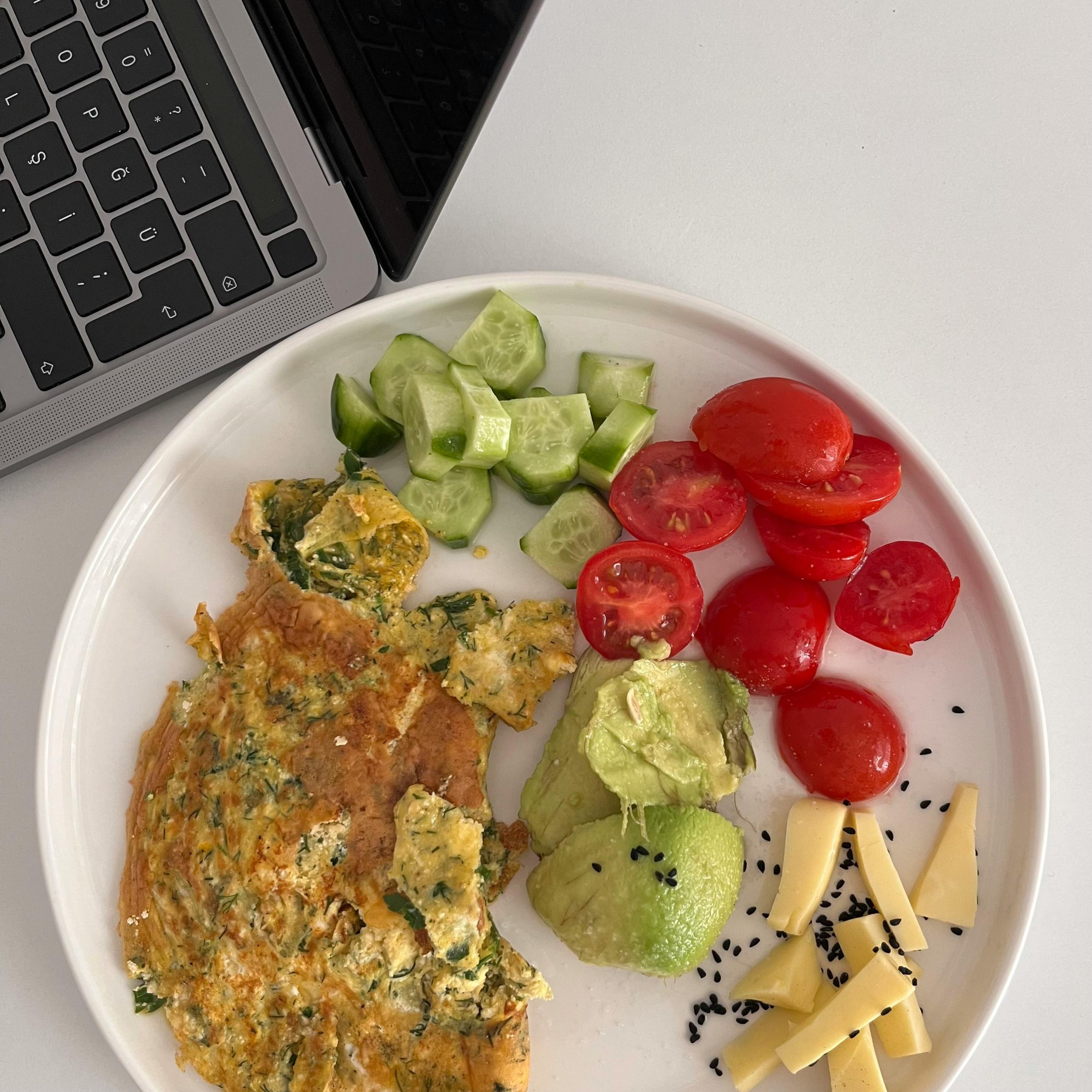
In 2026, health culture is increasingly defined by simplicity. Instead of complex diet systems or highly restrictive eating plans, people are gravitating toward meals that are high in protein, low in effort, and designed to support steady energy and mental focus throughout the day.
The shift reflects a broader change in lifestyle priorities. With work, digital overload, and constant stimulation shaping daily routines, food is no longer just about variety or indulgence—it is becoming a tool for maintaining consistent performance and avoiding energy crashes.
High-protein meals sit at the center of this trend. Foods like eggs, chicken, Greek yogurt, protein bowls, and simplified meal-prep combinations are widely favored because they are easy to prepare and provide longer-lasting satiety. The focus is less on culinary complexity and more on functional output: staying full, alert, and stable for longer periods.
Low-effort eating is equally important in shaping this behavior. People are increasingly choosing meals that require minimal preparation, repetition-friendly ingredients, and predictable outcomes. The goal is not experimentation, but consistency—reducing decision fatigue while maintaining nutritional balance.
There is also a strong connection between diet and cognitive performance in this trend. Many of these eating habits are framed around “energy stability” and “focus support,” rather than weight loss or aesthetic goals. This reflects a broader wellness shift toward mental clarity and sustained productivity.
Hydration and electrolyte balance also play a growing role. Simple routines involving water intake, mineral support, and light supplementation are often paired with high-protein meals to maintain consistent energy levels throughout the day.
Social platforms reinforce these patterns by amplifying quick, repeatable meal ideas. Short-form content featuring “what I eat in a day” or “high-protein easy meals” performs strongly because it offers practical templates rather than abstract nutrition advice.
Even within food culture, there is a noticeable move away from overly complex or trend-driven eating patterns. Instead of constantly switching diets, people are building stable routines they can maintain without friction.
Ultimately, “What People Are Eating for Energy and Focus” reflects a broader 2026 wellness mindset: food is increasingly seen not just as enjoyment or identity, but as a foundation for mental clarity, steady energy, and sustainable daily performance.
Leave a Reply