
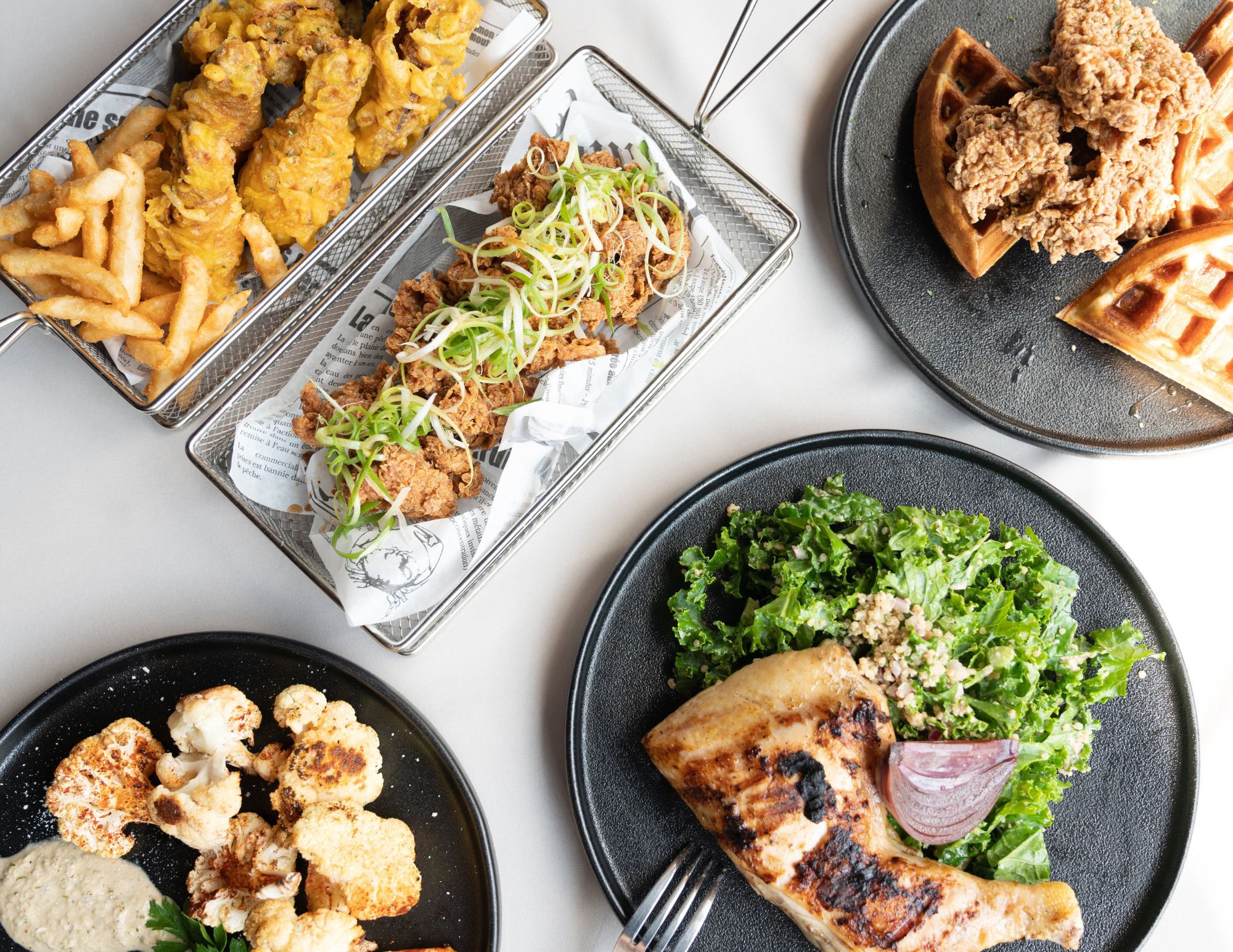
In 2026, eating habits are increasingly shaped by one central priority: sustained energy. Rather than focusing on restrictive diets or short-term food trends, many people are building routines around meals that support focus, endurance, and stable daily performance.
Across social platforms and wellness communities, high-protein meals and simple, repeatable eating patterns continue to dominate. The emphasis is less about complexity and more about consistency—foods that are easy to prepare, easy to repeat, and reliable in how they make people feel throughout the day.
This shift is closely tied to lifestyle structure. Modern schedules are fast, fragmented, and often mentally demanding. Work, digital communication, and constant notifications create an environment where energy management feels just as important as time management.
As a result, food choices are increasingly functional. Meals are being selected not only for taste or preference, but for how they support concentration, stamina, and recovery. Protein-rich foods, balanced carbohydrates, and minimally processed ingredients are especially prominent in this pattern.
High-protein eating has become a foundation of many modern routines because it tends to offer longer-lasting satiety and more stable energy levels compared to highly processed or sugar-heavy options. This makes it easier for people to avoid energy spikes and crashes during busy days.
Simple meal structures are also gaining popularity. Instead of elaborate recipes, many individuals are turning to repeatable combinations—basic proteins, grains, vegetables, and quick-prep foods that reduce decision fatigue while maintaining nutritional balance.
Social media has reinforced this behavior by normalizing “everyday eating” content. Short-form videos showing quick breakfasts, lunch prep routines, and minimal-ingredient meals perform strongly because they feel realistic and achievable. The focus is on sustainability rather than perfection.
Another important factor is the growing overlap between wellness and productivity culture. Eating for energy is often framed as part of optimizing daily performance, especially among younger audiences balancing work, study, and digital activity. Food becomes one component of a broader routine that includes sleep, movement, and screen management.
At the same time, there is a noticeable shift away from overly complicated health trends. Instead of extreme diets or highly restrictive systems, people are gravitating toward simple habits that can be maintained long-term without mental strain.
This includes focusing on meal timing, hydration, and balanced intake rather than constant dietary experimentation. The goal is stability—maintaining steady energy without overthinking every choice.
Economic and time pressures also influence these patterns. Simple, protein-forward meals are often more affordable and easier to scale for busy schedules, making them practical as well as functional.
Importantly, this trend is not about optimization in a strict sense, but about reliability. People are trying to reduce unpredictability in how they feel throughout the day, and food has become one of the most direct ways to influence that experience.
Ultimately, “What People Are Eating For Energy Right Now” reflects a broader 2026 lifestyle shift: eating habits are becoming less about trends and more about function, with high-protein, simple, and repeatable meals forming the foundation of modern energy-focused routines.
Leave a Reply